Best Respirator for Spray Painting (2026): An N95 Does Not Stop Solvent
The most common safety mistake in spray art is wearing a white dust mask and believing it is doing something. An N95 filters particles. The hazard in aerosol paint is mostly solvent vapour, which is a gas, and it passes through a particulate filter as if it were not there. You need a cartridge with activated carbon in it, and the two look nothing alike.
HobbyStack may earn a commission from links on this page at no extra cost to you. Our picks are chosen on merit; the commission helps fund the research.
- An N95 stops particles, not vapour. It is the wrong tool for aerosol paint.
- You want organic vapour (OV) cartridges plus a P95 or P100 particulate filter.
- A bare facepiece is not protection. Cartridges are usually sold separately.
- Facial hair breaks the seal. A respirator on a beard is decorative.
- Cartridges expire once opened, even unused. Bag them and date them.
 3M 8210 N95 (pack of 20)Sanding, not spraying$18Check price
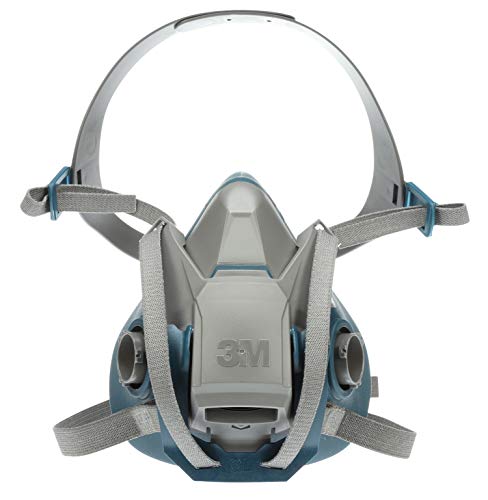 3M 6502QL Half FacepieceThe facepiece to build on$31Check price
 Our pick3M 6311 OV/P95 Paint KitSpray paint$34Check price
Particles and vapour are different problems
Two separate hazards come out of an aerosol can, and they need two separate kinds of filtering.
Particulate is the paint mist itself — tiny droplets and, once dry, pigment dust. A mechanical filter catches these, physically trapping them in a fibrous mat. N95 means at least 95% efficiency against non-oil-based particles, which is exactly what 3M state for the 8210.
Vapour is the solvent carrier evaporating: acetone, xylene, toluene and similar. These are gases, and gas molecules are orders of magnitude smaller than the gaps in a fibre mat. A particulate filter does not slow them at all.
Stopping vapour requires adsorption, not filtration: activated carbon with an enormous internal surface area, which the molecules stick to as they pass through. That is what an organic vapour cartridge contains, and why it is a solid canister rather than a paper mask.
So for spray paint you want both: an OV cartridge for the solvent and a P-series particulate filter for the mist. The P prefix matters too — P means oil-proof, and paint aerosols are oil-based often enough that N-series filters are the wrong choice.
Fit, which decides whether any of it works
A respirator only protects to the extent that air goes through the filter rather than round the edge, and the edge is where most people lose.
Facial hair is the big one. Anything more than a day's stubble under the seal breaks it, and this is not a matter of degree — a hair crossing the sealing surface creates a channel. Industry fit-testing simply fails anyone with a beard in the seal area. It is not a rule anyone enjoys and the physics does not negotiate.
Do a seal check every time, which takes five seconds. Cover the cartridges with your palms and inhale gently: the facepiece should pull in against your face and stay there. Then cover the exhalation valve and breathe out gently: it should bulge slightly without leaking round the edges. If air moves at the edge, adjust and retry.
Size matters. The 6311 kit here is a Large, with small and medium also sold. A facepiece too big cannot seal down and one too small pinches and gets taken off.
Straps go behind the head, not on top of a hood or hat, and both need tightening evenly.
 Best for sanding, not spraying
3M Particulate Disposable Respirator 8210
A genuinely good particulate respirator and the wrong tool for aerosol paint, which is worth saying first because these are what most people reach for. NIOSH approved for at least 95% filtration of non-oil-based particles, with an adjustable nose clip that reduces eyewear fogging and a welded two-strap design that holds a real seal. 3M list its applications as grinding, sanding, sweeping, bagging and other dusty operations — and that is exactly right. It has genuine uses in this hobby: sanding a primed surface, cutting stencils from MDF, sweeping a workshop. What it does nothing about is solvent vapour, because vapour is a gas and this is a fibre mat. Note it is labelled for industrial use only. Twenty per box.
What's good
- NIOSH approved, 95% against non-oil particles
- Adjustable nose clip reduces eyewear fogging
- Welded two-strap design holds a real seal
- Genuinely right for sanding and dust
What's not
- NO protection against solvent vapour at all
- Non-oil-based particles only — paint mist is often oil-based
- Disposable, so an ongoing cost
- Labelled for industrial use only
 Best facepiece to build on
3M Rugged Comfort Quick Latch Half Facepiece Reusable
A reusable half facepiece, and the important thing to understand is what NIOSH actually approved: the facepiece together with 3M cartridges, filters or supplied air. On its own it is a rubber shell that filters nothing, and cartridges are a separate purchase. Given the right cartridges it is the more comfortable long-term platform: a quick latch that drops the mask off your face one-handed when you step outside, which means you actually wear it while working rather than pushing it up, a Cool Flow exhalation valve that makes breathing out easier, a resilient silicone faceseal that keeps its shape in heat, and a three-size adjustable head cradle. Buy this if you already own or intend to buy OV cartridges.
What's good
- Quick latch drops it off one-handed between coats
- Cool Flow valve makes exhaling much easier
- Silicone seal keeps its shape and stays comfortable
- Adjustable three-size head cradle
What's not
- Cartridges NOT included — it filters nothing alone
- Needs the right cartridges to be any use
- Silicone perishes over years and needs replacing
- More to clean and store than a disposable
 Best for spray paint
3M OV/P95 Paint Project Respirator 6311
The complete and correct answer, and the only one here that actually addresses what comes out of a spray can. It arrives as a working kit: the facepiece, a pair of NIOSH-approved 6001 organic vapour cartridges, two pairs of 5P71 P95 particulate filters and the 501 retainers that hold them on. 3M state the OV cartridge is approved for organic vapours from latex and oil-based painting including paint spraying, varnishes, stains, sealants and solvents, and the P95 filters for particles from paint spraying and spray adhesives. P-series means oil proof, which matters because paint aerosols often are. The facepiece is lightweight thermoplastic on a 3M bayonet connection, so cartridges and filters are replaceable — buy the kit once, then buy refills. This listing is Large; small and medium exist.
What's good
- Organic vapour cartridges AND P95 filters, both included
- Approved specifically for paint spraying and solvents
- P-series is oil proof, unlike N-series
- Bayonet fitting takes cheap replacement cartridges
What's not
- This listing is size Large — check S and M
- Cartridges expire once opened, even unused
- Bulkier and hotter than a disposable
- Labelled for workplace use only
Activated carbon adsorbs whatever is in the air around it, so an open cartridge slowly saturates on the shelf whether you use it or not. Seal them in a zip bag between sessions and write the date you opened them on the side. And replace them if you can smell or taste solvent through the mask — that is the cartridge telling you it is full, not a fit problem.
Ventilation does more than the mask
A respirator is the last line, not the first. What actually keeps exposure low is not breathing the concentration in the first place.
Work outside where you can. Genuinely the single biggest change, and free.
Indoors, move air through rather than around. One fan blowing out of a window at one end and an open door at the other pulls the cloud away from you. A fan pointed at your face just stirs it.
Stand upwind of your own work. Obvious, and almost nobody does it — people position for the best view of the piece and spray into their own breathing zone.
Take the mask off outside, not inside. Walking out of a haze and pulling it off in the same room undoes the session.
Watch the overspray settling. If a fine film is landing on surfaces around you, it is also landing in your lungs when the mask comes off too early.
And give it time to clear. Solvent vapour hangs around for a good while after the last can goes down.
Before you buy
Organic vapour cartridges plus a P95 or P100 filter. Not an N95 alone.
Check whether cartridges are included. A bare facepiece filters nothing.
P-series means oil proof. N-series is not, and paint aerosols often are.
Get the size right, and do a seal check every single time.
If you have a beard, the seal will fail. That is physics, not preference.
Respirator questions
Is an N95 mask enough for spray painting?
What cartridges do I need for spray paint?
Can I wear a respirator with a beard?
How often should I replace respirator cartridges?
Buy the 3M 6311 OV/P95 kit. It is the only option here that addresses what actually comes out of a spray can — organic vapour cartridges for the solvent and oil-proof P95 filters for the mist, both included and both replaceable on a cheap bayonet fitting. Keep a box of 8210 N95s for sanding and dust, where they are genuinely correct. And check the seal every time, because a respirator that leaks at the edge protects nothing.
Ready to actually do it?
The first graffiti art quest takes an evening, and it tells you whether the gear was worth it better than any review can.
Start Graffiti ArtThe HobbyStack editorial team researches each guide against manufacturer specifications, published resources and practitioner sources. Every product is checked for availability and described against its current listing before publication, and prices are re-checked when guides are updated.
About our editorial process →More gear guides
All guides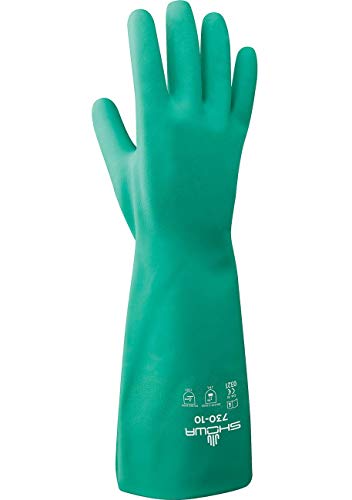
Best Gloves for Spray Paint (2026): Thickness Is Time
Solvents go through skin. Not around it, through it, and into your bloodstream — which is why the relevant number for a chemical glove is not what it is made of but how long it takes the chemical to get through. A thin disposable glove against xylene is measured in minutes, and most people assume it is measured in hours.

Best Fineliner Pens for Sketching (2026): Waterproof, Lightfast, and Which Width
The moment that decides which pen you want is putting a watercolour wash over a finished line drawing. A dye-based pen dissolves and grey-blue bleeds through everything you have done. A pigment pen sits there. That is the entire specification, and it is why sketchers are so specific about brands.

Best Portable Watercolor Set (2026): "Hue" Means a Substitute Pigment
The word doing the most work on a watercolour pan is "Hue". It means the colour is made with a cheaper substitute rather than the pigment the name refers to, and Winsor & Newton say so plainly about their student range. That is the student-versus-artist line, and it explains most of the price gap.

Best Beginner Acrylic Paint Set 2026: Liquitex BASICS and Where to Start
Acrylics are the best paint to start with: fast-drying, water-cleanup, and forgiving, but the cheapest craft-store paints are so thin and chalky they'll put you off. The fix is student-grade acrylics with real pigment, which cost barely more. Here are three sets, from the beginner standard to a pro-quality upgrade.

Best Canvas for Painting (2026): Cotton, Linen, and What Primed Really Means
Almost every cheap canvas says pre-primed, and almost every painter adds more primer anyway. Factory gesso is applied thinly to keep costs down, so paint sinks into the weave, colours dry dull and you use two or three times as much of an expensive tube as you needed to.

Best Easel for Beginners (2026): Tabletop, H-Frame or Neither
An easel is the piece of painting equipment people buy first and need last. Watercolour is usually painted flat or at a shallow angle; small acrylic and oil studies work fine propped against a stack of books. What an easel really buys you is the ability to stand back, see the whole picture at once, and work at a size your table cannot hold.