Best Portable Watercolor Set (2026): "Hue" Means a Substitute Pigment
The word doing the most work on a watercolour pan is "Hue". It means the colour is made with a cheaper substitute rather than the pigment the name refers to, and Winsor & Newton say so plainly about their student range. That is the student-versus-artist line, and it explains most of the price gap.
HobbyStack may earn a commission from links on this page at no extra cost to you. Our picks are chosen on merit; the commission helps fund the research.
- "Hue" on a colour name means a substitute pigment, not the real one. That is student grade.
- Pans travel, tubes do not. For sketching outdoors, buy pans.
- A dozen colours is plenty. Mixing teaches you more than owning more paint.
- A built-in mixing palette in the lid matters more than the colour count.
- Paper matters as much as paint. 300gsm cotton or it buckles.
 Sakura Koi Field Sketch KitEffects, not basics$38Check price
 Our pickWinsor & Newton Cotman Pocket BoxMost sketchers$53Check price
 Schmincke Horadam SetReal pigments$95Check price
Student grade against artist grade
The distinction is pigment, and manufacturers are usually honest about it if you read the description.
Winsor & Newton state that Cotman colours are made to their standards but that costs are kept economical by replacing some of the more expensive pigments with less costly alternatives. That is what you are buying at student grade, and it shows in the colour names: Cadmium Yellow Hue, Cadmium Red Pale Hue, Alizarin Crimson Hue, Viridian Hue. Four of the twelve.
"Hue" means "looks like". The real pigment is expensive — genuine cadmium and cobalt are costly, and some traditional pigments are toxic or no longer made — so a mixture approximates the appearance.
What you give up is tinting strength, transparency and lightfastness. A student cadmium hue goes muddy faster when mixed and may shift over years on a wall.
Artist grade uses single genuine pigments, which mix more predictably and stay put.
For sketchbook work that lives in a sketchbook, student grade is genuinely fine. For anything framed, it matters.
Pans, tubes and what to carry
Pans are dried cakes of paint you wet with a brush. They are the right answer for sketching outdoors: nothing to spill, nothing to dry out, and the box is the palette. Half pans are the small ones and are what almost every pocket set uses.
Tubes are wet paint. They give stronger, more saturated washes and are far better for large areas, but they need squeezing onto a palette and they dry out if you leave them. Studio tools rather than field ones.
A dozen colours is genuinely enough. More colours mean less mixing, and mixing is how you learn what watercolour does. A useful minimum is a warm and a cool version of each primary plus an earth colour or two, which is roughly what the Cotman set here contains.
The lid is a real feature. A pocket box with a built-in mixing palette means you need no separate surface, and the Cotman box has one. Without it you end up mixing on the back of your hand.
And take a water brush — a barrel you fill with water — rather than a jar you will knock over.
 Best for effects, not basics
SAKURA Koi Pocket Field Sketch Kit
Worth reading the contents before buying: this kit is 24 colours made up of 8 fluorescent, 4 metallic and 12 pearlescent, so it is a speciality set rather than a standard watercolour palette. It is a lovely thing for lettering, night scenes and accents on toned paper, and it includes a 9ml water brush, a mixing palette and two sponges. It will not mix a normal landscape. Buy it alongside a conventional set, not instead of one.
What's good
- Includes a 9ml water brush, palette and sponges
- Metallic and pearlescent colours work well on toned paper
- Genuinely portable field kit format
- Fun for lettering and accents
What's not
- NOT a standard palette — no conventional colours at all
- Cannot mix an ordinary landscape or portrait
- Effect pigments are opaque, unlike normal watercolour
- Wrong first set for learning to mix
 Best for most sketchers
Winsor & Newton Cotman Water Colour Paint Sketchers' Pocket
Twelve half pans in a pocket box with a mixing palette built into the lid, plus a pocket brush and four extra Cotman brushes. The palette is well chosen: warm and cool versions of each primary plus earth colours, which is what you actually need to mix from. Student grade, and Winsor & Newton are open that four of the twelve are Hue substitutes. For sketchbook work that stays in a sketchbook, that is a sensible trade.
What's good
- Built-in mixing palette in the lid
- Sensible twelve-colour mixing palette
- Comes with five brushes in total
- Good transparency and working properties for the price
What's not
- Student grade — four colours are Hue substitutes
- Lower tinting strength, so mixes muddy faster
- Lightfastness below artist grade for framed work
- Half pans run out on large washes
 Best pigments
Schmincke Horadam Aquarell Watercolor Pans
Artist grade, which means genuine single pigments rather than hue substitutes. In practice that shows up in mixing: real pigments stay clean through two and three-colour mixes where student substitutes go muddy, and they hold their colour on a wall for decades. Schmincke Horadam is among the most respected European ranges. Pans, so it still travels. The honest position is that this matters for work you intend to keep and frame, and much less for a sketchbook.
What's good
- Genuine single pigments, no hue substitutes
- Mixes stay clean through several colours
- Far better lightfastness for framed work
- Still pans, so still portable
What's not
- Well over the Cotman set
- The difference is invisible in a sketchbook
- Fewer colours per pound spent
- Overkill while you are still learning to mix
A student set on 300gsm cotton paper will beat artist pigments on cheap cartridge every time. Anything under about 200gsm buckles the moment it gets wet, and a wavy page ruins the drawing regardless of what is on it. If you are choosing where to spend, upgrade paper before paint — and for sketching, a small hardback book of 300gsm hot pressed fights you least.
Twelve colours you can mix anything from
A useful palette is not a big one. The principle is a warm and a cool version of each primary, because mixing two colours that lean the same way stays clean and mixing opposites goes grey.
Yellows — a cool lemon and a warm cadmium-ish yellow.
Reds — a cool crimson leaning blue and a warm scarlet leaning orange.
Blues — a warm ultramarine leaning purple and a cool phthalo leaning green.
Earths — yellow ochre, burnt sienna and burnt umber do most of the work in urban sketching, because buildings and streets are largely earth colours.
A green is optional, since ultramarine and lemon make better greens than most tube greens, which tend to look artificial.
That is roughly the Cotman twelve, which is why it is a well-chosen set rather than an arbitrary dozen.
Skip black. Mixing a dark from ultramarine and burnt sienna gives a far livelier shadow than tube black, which flattens everything it touches.
Before you buy
Read the colour names. "Hue" means a substitute pigment.
Pans for sketching outdoors, tubes for studio work.
Check the lid has a mixing palette. It matters more than colour count.
A dozen colours is plenty. Mixing teaches more than owning.
Spend on 300gsm paper before spending on artist-grade paint.
Watercolour set questions
What does "Hue" mean on a watercolour?
Should I buy pans or tubes?
Is student grade watercolour good enough?
How many colours do I need?
The Winsor & Newton Cotman pocket box is the buy for most sketchers: a well-chosen twelve-colour mixing palette, a mixing tray built into the lid and five brushes, at student grade that is genuinely fine for sketchbook work. Step up to the Schmincke Horadam if you frame what you make and want real pigments that stay clean through mixes. Read the Sakura Koi listing carefully — it is a metallic and pearlescent speciality set, not a standard palette.
Ready to actually do it?
The first urban sketching quest takes an evening, and it tells you whether the gear was worth it better than any review can.
Start Urban SketchingThe HobbyStack editorial team researches each guide against manufacturer specifications, published resources and practitioner sources. Every product is checked for availability and described against its current listing before publication, and prices are re-checked when guides are updated.
About our editorial process →More gear guides
All guides
Best Fineliner Pens for Sketching (2026): Waterproof, Lightfast, and Which Width
The moment that decides which pen you want is putting a watercolour wash over a finished line drawing. A dye-based pen dissolves and grey-blue bleeds through everything you have done. A pigment pen sits there. That is the entire specification, and it is why sketchers are so specific about brands.

Best Graphite Pencils for Beginners (2026): 3 Picks
Graphite pencils come in a range of grades, from hard (H) that make light, thin lines to soft (B) that make dark, smudgy ones. For a beginner, the one spec that actually matters is getting a set that spans that range, roughly 2H to 8B, so you can shade properly instead of pressing harder on one pencil. Any of these three will do that.

Best Respirator for Spray Painting (2026): An N95 Does Not Stop Solvent
The most common safety mistake in spray art is wearing a white dust mask and believing it is doing something. An N95 filters particles. The hazard in aerosol paint is mostly solvent vapour, which is a gas, and it passes through a particulate filter as if it were not there. You need a cartridge with activated carbon in it, and the two look nothing alike.
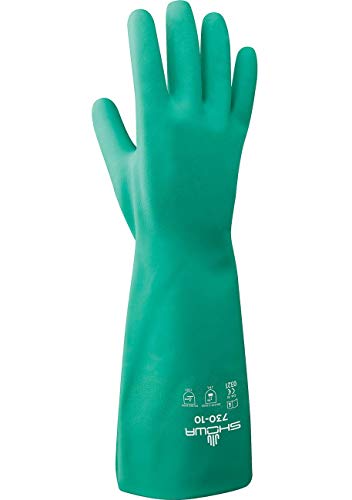
Best Gloves for Spray Paint (2026): Thickness Is Time
Solvents go through skin. Not around it, through it, and into your bloodstream — which is why the relevant number for a chemical glove is not what it is made of but how long it takes the chemical to get through. A thin disposable glove against xylene is measured in minutes, and most people assume it is measured in hours.

Best Beginner Acrylic Paint Set 2026: Liquitex BASICS and Where to Start
Acrylics are the best paint to start with: fast-drying, water-cleanup, and forgiving, but the cheapest craft-store paints are so thin and chalky they'll put you off. The fix is student-grade acrylics with real pigment, which cost barely more. Here are three sets, from the beginner standard to a pro-quality upgrade.

Best Canvas for Painting (2026): Cotton, Linen, and What Primed Really Means
Almost every cheap canvas says pre-primed, and almost every painter adds more primer anyway. Factory gesso is applied thinly to keep costs down, so paint sinks into the weave, colours dry dull and you use two or three times as much of an expensive tube as you needed to.