Best Kombucha Bottles (2026): Second Fermentation Builds Real Pressure
Second fermentation is the stage that puts the fizz in kombucha, and it works by trapping the carbon dioxide yeast produces inside a sealed bottle. That is genuinely a pressure vessel sitting on your worktop, and the wrong bottle is the reason people find glass in the ceiling.
HobbyStack may earn a commission from links on this page at no extra cost to you. Our picks are chosen on merit; the commission helps fund the research.
- Use swing-top bottles made for carbonation. Never repurpose jam jars or wine bottles.
- Burp them daily in warm weather. Pressure builds faster than you think.
- Amber glass protects the culture from light. Clear looks better and performs worse.
- Leave headspace. Filling to the brim leaves nowhere for gas to go.
- Refrigerate to stop fermentation. Cold is the off switch.
 YEBODA 16 oz amber, 6Single servings$21Check price
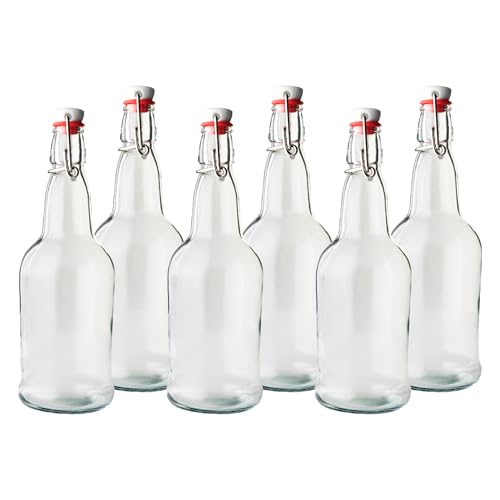 Our pickFastRack 33 oz amber, 6Most batches$27Check price
 Le Parfait 500ml, 3Keeping for years$45Check price
What second fermentation actually does
The first ferment happens in an open vessel covered with cloth. Gas escapes, and the result is tangy and mostly flat.
Second fermentation is the sealed stage. You bottle the kombucha, usually with a little fruit or juice for the yeast to work on, and close it. The yeast keeps eating sugar and producing carbon dioxide, and because the bottle is sealed the gas dissolves into the liquid instead of escaping. That is where the fizz comes from.
It is also where the pressure comes from. A vigorous second ferment in a warm kitchen can generate more pressure than a bottle of beer carries, and it does it in two or three days rather than two weeks.
So the bottle has to be built for it. A proper swing-top bottle uses thick glass and a rubber gasket clamped down by a wire bail, and it is designed to hold that pressure and release predictably.
What not to use: jam jars, mason jars with two-piece lids, wine bottles with corks, and anything with a screw cap that was not made for carbonation. Mason jar lids in particular are designed to pull a vacuum inward, not to resist pressure pushing out.
Warmth speeds everything. A second ferment that takes five days in a cool room can be done in 36 hours in summer, which is how people get caught out.
Burping, headspace and light
Three habits keep second fermentation safe and predictable.
Burp daily. Open each bottle briefly once a day to release built-up gas, then reseal. It costs a little fizz and it tells you exactly how the batch is progressing. If a bottle hisses hard on day one, the whole batch is running fast and needs refrigerating sooner.
Leave headspace. An inch or so below the seal gives the gas somewhere to go and stops pressure climbing as steeply. Filling to the brim removes the buffer entirely.
Watch the fruit. Extra sugar means extra food for the yeast. A batch with mango or pineapple juice will carbonate considerably faster than one with a slice of ginger, and needs watching accordingly.
Then light. Kombucha contains a live culture, and UV degrades it along with the flavour compounds and any tea polyphenols you were hoping to keep. Amber glass filters most of that out, which is why brewing suppliers sell amber and why beer has been bottled in brown glass for a century.
Clear glass looks better on a shelf and is the wrong choice if the shelf gets daylight. If you use clear, store it in a cupboard or a box.
Cold stops it. Refrigerating slows the yeast almost to a halt, which is both how you stop a batch at the fizz you want and how you keep it there.
 Best for single servings
YEBODA 16 oz Amber Swing Top Glass Bottles
Six 16 ounce amber swing tops, which is the right size if you drink a bottle at a sitting and want to flavour each one differently. Amber glass keeps UV off the culture, and the flip-top clamps a rubber gasket down to hold carbonation. Sixteen ounces also means less pressure per bottle than a large one, and less loss if one batch goes wrong. Small bottles mean more washing and more burping.
What's good
- Amber glass protects the live culture from UV
- One-sitting size, so no half-flat leftovers
- Flavour each bottle differently from one batch
- Less in each bottle if one goes wrong
What's not
- Six small bottles is not much of a batch
- More bottles to wash and burp
- Gaskets need replacing over time
- Thinner glass than Le Parfait
 Best for most batches
FastRack Swing Top Glass Bottles |33 oz
Six 33 ounce amber swing tops, which handles a typical gallon batch in one go instead of filling ten small bottles. Amber keeps the light off, and the airtight flip-top holds carbonation properly. Fewer, larger bottles means less washing and less burping, and the size suits sharing a bottle rather than drinking alone. The trade is that a big bottle goes flat once opened, so it wants finishing within a day or so.
What's good
- Six large bottles covers a gallon batch
- Amber glass, so light is not a problem
- Far less washing and burping than small bottles
- Airtight flip-top holds carbonation well
What's not
- Goes flat once opened, so finish it quickly
- One flavour per 33 ounces
- More pressure in each bottle
- Takes more fridge space
 Best for keeping for years
Le Parfait Swing Top Bottle 500ml
The French preserving bottles, and you are paying for glass and hardware rather than volume. Heavy walls, a substantial wire bail and a replaceable orange rubber gasket that actually seals rather than merely closing. These are the bottles that survive a decade of daily use and dishwashers, where cheaper swing tops loosen and start weeping. Clear glass though, so keep them out of daylight or in a cupboard.
What's good
- Heavy glass and serious hardware
- Replaceable gaskets, so they last a decade
- Seals properly rather than just closing
- Dishwasher tolerant in normal use
What's not
- Clear glass, so it needs storing in the dark
- Three bottles for more than double the money
- 500ml is small for the price
- Heavy to handle when full
Mason jar lids are designed to be pulled inward by a vacuum as the contents cool, not to hold pressure pushing outward, and jam jars are not pressure-rated at all. Both fail without warning and they fail by breaking. If you must check a bottle you are worried about, put it in the sink or a cool box first, wear eye protection, and open it slowly. Better still, burp daily and refrigerate on time.
Getting the fizz right
Two to four days at room temperature is the usual second ferment, then straight to the fridge. Warmer rooms are faster, and a summer kitchen can be done in 36 hours.
Judge by the burp, not the calendar. A bottle that gives a firm hiss and a little foam is carbonating well. One that sighs weakly needs longer, or needs more sugar to work on.
Not fizzy enough usually means one of three things: not enough sugar in the second ferment, a seal that is not actually sealing, or a room too cold for the yeast to be active. Check the gasket first, since it is free to fix.
Too fizzy means it ran hot or long. Refrigerate immediately, and open the next one over a sink.
Strain the fruit before bottling if you want it clear and want the seals to keep working. Pulp under a gasket is a slow leak.
Replace gaskets when they harden or flatten. They are cheap, they are the part that fails, and a tired gasket is the commonest reason a batch comes out flat.
Before you buy
Swing-top bottles designed for carbonation, nothing improvised.
Amber if the bottles will sit anywhere near daylight.
Match bottle size to how you drink it, since a big one goes flat.
Check gaskets are replaceable and buy spares.
Leave an inch of headspace and burp daily in warm weather.
Kombucha bottle questions
Can I use mason jars for second fermentation?
Why amber glass rather than clear?
How long should second fermentation take?
Why is my kombucha not fizzy?
The FastRack 33 ounce amber six-pack is the sensible buy: enough capacity for a gallon batch, amber glass so light is not a worry, and far less washing than a shelf of small bottles. Take the YEBODA 16 ounce set instead if you drink a bottle at a sitting and want to flavour each one differently. Le Parfait is the one to buy if you want bottles that outlast the hobby. And burp them daily.
Ready to actually do it?
The first brewing kombucha quest takes an evening, and it tells you whether the gear was worth it better than any review can.
Start Brewing KombuchaThe HobbyStack editorial team researches each guide against manufacturer specifications, published resources and practitioner sources. Every product is checked for availability and described against its current listing before publication, and prices are re-checked when guides are updated.
About our editorial process →More gear guides
All guides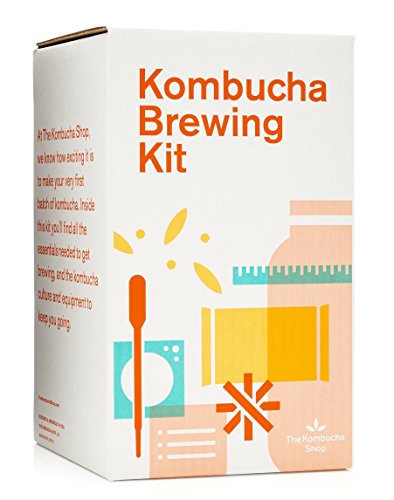
Best Kombucha Starter Kits for Beginners (2026)
Brewing kombucha at home is mostly patience plus one live culture (a SCOBY) and a big jar. A kit bundles the fiddly parts: the culture, the right jar, a way to check temperature and acidity, so your first batch actually ferments instead of growing something you will be scared to drink.
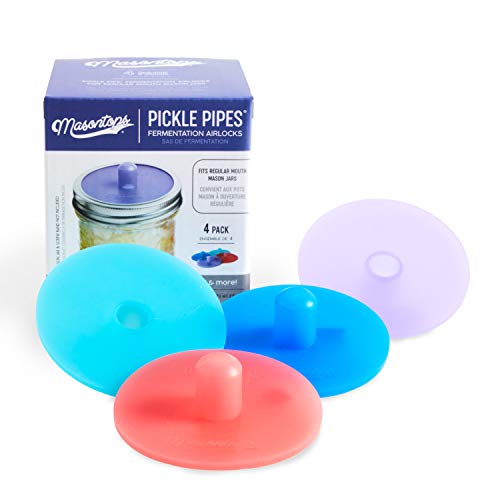
Best Fermentation Airlocks and Weights (2026): Under the Brine, Out of the Air
Vegetable fermentation asks for two things at once that sound contradictory: carbon dioxide has to get out, and oxygen must not get in. Every failure — the fuzzy white bloom, the soft mushy cabbage, the jar that pushed its lid off overnight — traces back to one of those two, and both are solved by about fifteen pounds of silicone and glass.
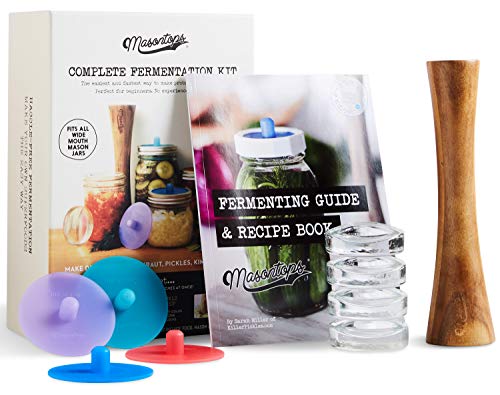
Best Fermentation Kits for Beginners (2026)
Fermenting vegetables at home: sauerkraut, kimchi, pickles, needs surprisingly little: a container that keeps air out, a way to hold the vegetables under the brine, and salt. A kit bundles that so your first batch turns tangy and safe instead of moldy. Here are three, from a cheap mason-jar kit to a traditional crock.
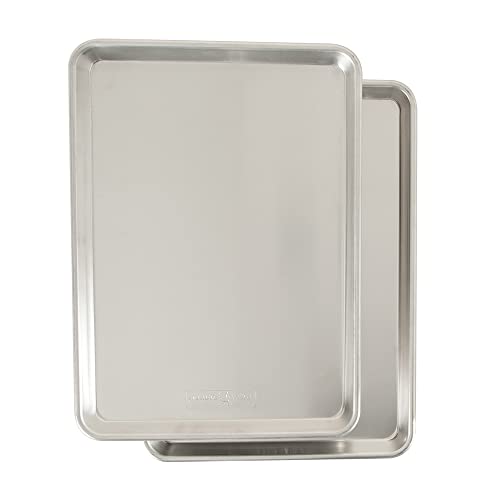
Best Baking Sheet for Beginners (2026): Why Half-Sheet Aluminium Wins
A baking sheet is the most-used pan in most kitchens and the one people spend least time choosing. The cheap ones warp with a bang the first time they hit a hot oven, and a warped sheet cooks unevenly forever after. The fix is not expensive: a heavy half sheet in bare aluminium with a rolled rim, which is what professional kitchens have used for decades.

Best Beginner Stand Mixer 2026: KitchenAid Artisan vs Classic vs Pro 600
Stand mixers are a one-time purchase that lasts decades. Pick the right KitchenAid (it's almost always going to be a KitchenAid) and you'll never need to think about it again. Pick wrong and you'll end up reselling and rebuying within 5 years.

Best Kitchen Scale for Baking 2026: Escali vs Ozeri vs OXO
A kitchen scale is the single most important tool in baking: weight is exact where measuring cups aren't, and switching to grams is the fastest way to make your recipes finally come out the same every time. The good news: accuracy is basically a solved problem, so the real choice isn't which scale weighs best (they're all spot-on) but which features you want. Here's the honest breakdown.