Best Midrange Disc (2026): The Four Numbers on Every Disc, Explained
Every disc has four numbers stamped on it and almost nobody explains them at the point of sale. They describe how it flies, and for a new player the important one is the third: a negative turn number means the disc will fly straight for you, and a positive fade number means it will not.
HobbyStack may earn a commission from links on this page at no extra cost to you. Our picks are chosen on merit; the commission helps fund the research.
- The four numbers are speed, glide, turn and fade, in that order.
- Turn is negative for understable. That is what a beginner wants.
- Fade is how hard it hooks left at the end for a right-handed backhand.
- Midranges are the discs you actually score with. Learn one properly.
- Cheaper plastic wears faster, which makes a disc more understable over time.
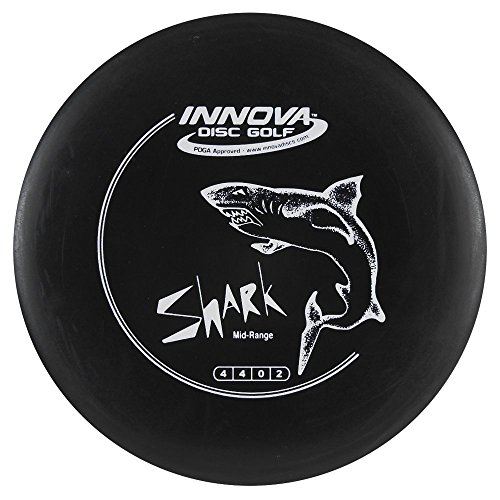 Innova DX RocLearning the shot$12Check price
 Our pickDiscraft ESP Buzzz SSMost new players$19Check price
 Dynamic Discs Lucid VerdictWind and control$19Check price
The four numbers
Every modern disc carries a flight rating, and once you can read it you can buy discs without guessing.
Speed (1 to 14). How fast the disc has to be thrown to fly as designed. This is the number beginners get most wrong. A speed 13 driver thrown by someone without the arm to drive it does not go far and hooks hard left immediately. Midranges sit at 4 to 5, which almost anyone can throw properly.
Glide (1 to 7). How well it stays in the air. Higher glide carries further for the same throw, and gives you less control on a windy day.
Turn (+1 to -5). How much the disc drifts right early in the flight, for a right-handed backhand. A negative number is understable, meaning it resists the natural left hook. This is the number that makes a disc beginner-friendly.
Fade (0 to 5). How hard it hooks left at the end as it slows. High fade means a reliable finish and a disc that fights the wind. Low fade means a straighter, longer finish.
So the Buzzz SS at 5 / 4 / -2 / 1 flies fast enough to be thrown easily, glides well, resists the left hook and finishes gently. That is close to ideal for a new player.
The Verdict at 5 / 4 / 0 / 3.5 is the opposite kind of disc: it flies straight then finishes hard left, which is exactly what you want in a headwind and exactly what will frustrate someone still learning to throw flat.
Why midranges, and why plastic matters
Midranges are the scoring discs. New players buy drivers because distance is exciting, and then spend the round throwing three drives and one approach. In practice most strokes are made or lost inside 250 feet, which is midrange territory.
They are also the discs that teach you to throw. A midrange at speed 5 flies properly at an achievable arm speed, so the disc actually shows you what your form is doing. A high-speed driver just hides your mistakes under its own instability.
Learn one disc deeply. Knowing exactly what one midrange does at three different power levels beats owning nine of them. Most experienced players carry two or three midranges and throw one of them constantly.
Then plastic, which changes the same mould. The same disc in different plastic flies differently and ages differently.
- Baseline plastic like Innova DX is cheap, grippy, and wears fast. As it wears it becomes more understable, which many players consider a feature: a beaten-in Roc turns into a lovely straight disc.
- Premium plastic like Discraft ESP or Dynamic Discs Lucid is durable and holds its flight numbers for years, at two or three times the price.
Cheap plastic is not a compromise for a beginner. It grips better in the hand, it costs little enough that losing one in a lake is survivable, and it beats in to something friendlier. Losing discs is part of the first season.
 Best for learning the shot
Innova Disc Golf - DX ROC Mid-Range (170-174g)
The workhorse midrange, and it has been exactly that since it was released decades ago. Baseline DX plastic grips well in the hand and wears relatively quickly, which sounds like a fault and is why people love it: a beaten-in Roc gradually becomes more understable and turns into one of the straightest discs you can own. Cheap enough that losing one in a lake is annoying rather than expensive.
What's good
- The most thrown midrange mould in the sport
- Baseline plastic grips well in wet hands
- Beats in over time into a very straight disc
- Cheap enough to lose without regret
What's not
- DX plastic wears noticeably faster
- Flight numbers drift as it beats in
- Less forgiving than the Buzzz SS when new
- Scuffs and scratches quickly on concrete
 Best for most new players
Discraft ESP Buzzz SS 167-169 Gram Mid-Range Golf Disc
The understable version of the most popular midrange in the sport, and the numbers say why it suits a beginner: speed 5, glide 4, turn -2, fade 1. That -2 turn resists the hard left hook that new players fight constantly, and the low fade means it finishes gently rather than diving. Durable ESP plastic holds those numbers for years rather than drifting. Experienced throwers may find it too understable in wind.
What's good
- Turn of -2 counteracts the beginner left hook
- Low fade means a gentle, straight finish
- ESP plastic holds its flight numbers for years
- Same mould shape as the standard Buzzz
What's not
- Too understable to hold a line in strong wind
- Premium plastic grips less than baseline when wet
- You may outgrow it as your form improves
- Weight ranges vary between listings
![Dynamic Discs Lucid Verdict Midrange Golf Disc [Colors May Vary] - 173-176g](/_next/image?url=https%3A%2F%2Fm.media-amazon.com%2Fimages%2FI%2F41RRNX0vreL._SL500_.jpg&w=3840&q=75) Best for wind and control
Best for wind and controlDynamic Discs Lucid Verdict Midrange Golf Disc [Colors May
An overstable midrange at 5 / 4 / 0 / 3.5, which is a different tool rather than a better one. Zero turn means it will not drift right even thrown hard, and a fade of 3.5 means a hard, predictable hook left at the end. That is what you want in a headwind or when you need the disc to finish somewhere specific behind an obstacle. Durable Lucid plastic. It will frustrate anyone still learning to throw flat.
What's good
- Holds its line in wind that flips other midranges
- Fade of 3.5 gives a very predictable finish
- Lucid plastic keeps the flight consistent for years
- The right tool for shaped approach shots
What's not
- Needs real arm speed or it just hooks left
- Wrong first midrange for a new player
- Dearest here
- Currently stocked thinly
Two habits fix most beginner throws. Lighter discs, around 150 to 165 grams, need less arm speed to fly properly and travel further for the same effort, and there is no prize for throwing max weight. And keep the disc flat at release: an edge tilted up sends it climbing then stalling, and tilted down sends it into the ground. Almost every wild throw is an angle problem, not a power problem.
Building a bag without buying nine discs
Three discs is a complete starting bag. A putter, a midrange and a fairway driver. Adding more before you can predict what those three do just adds variables.
Putters are also throwing discs. A putter thrown at 150 feet is more accurate than a midrange for most people, and learning that early lowers scores faster than any driver.
Skip the distance drivers. Speed 12 and above needs an arm speed that takes a year or more to build. Thrown without it they go shorter than a midrange and hook violently left. Almost every new player owns one and almost none of them should.
Weight matters more than mould at first. A 150 gram disc flies properly for someone who cannot yet throw a 175 gram one, and light discs stay in the air longer.
Write your name and number on them. Disc golfers are unusually good about returning lost discs, and a marker pen recovers most of what you drop in the rough.
Buy a second of anything you love. Moulds get discontinued and plastic runs change, and finding out after you lose it is worse.
Before you buy
Read the four numbers: speed, glide, turn, fade.
Negative turn is beginner friendly. High fade is not.
Midranges at speed 4 to 5 teach you more than drivers do.
Lighter discs, 150 to 165 grams, fly better for new arms.
Baseline plastic is cheaper, grips better and beats in nicely.
Disc golf questions
What do the four numbers on a disc mean?
Should a beginner buy a driver or a midrange?
Does the plastic type really matter?
What weight disc should I throw?
The Discraft Buzzz SS is the midrange to buy first. Its -2 turn actively counteracts the left hook that new players fight, and the low fade gives a gentle straight finish, which is the flight you are trying to learn. Take the DX Roc if you would rather spend twelve dollars and have a disc that beats in beautifully over a season. The Verdict is a wind tool, and worth owning once your form is settled.
Ready to actually do it?
The first disc golf quest takes an evening, and it tells you whether the gear was worth it better than any review can.
Start Disc GolfThe HobbyStack editorial team researches each guide against manufacturer specifications, published resources and practitioner sources. Every product is checked for availability and described against its current listing before publication, and prices are re-checked when guides are updated.
About our editorial process →More gear guides
All guides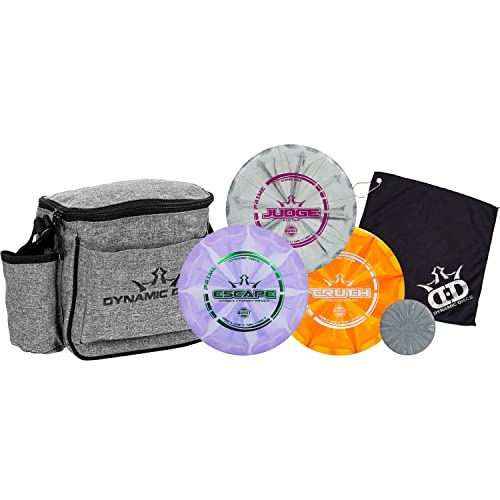
Best Beginner Disc Golf Set (2026): 3 Starter Packs Compared
A beginner disc golf set gives you the three discs you actually need (a putter, a mid-range, and a driver) chosen to fly straight and forgiving rather than fast and hard to control. That is the whole trick as a beginner: understable, slow discs are easier to throw well than the pro-speed drivers that just fade into the ground. Here are three good sets, from a bare-bones three-pack to a fuller kit.

Best Beginner Pickleball Paddle (2026): 3 Picks for Every Budget
The paddle is the one piece of gear that actually changes how you play, and the wall of look-alike options hides a few real differences that matter on day one. Here are three we'd hand a new player: a no-regrets budget pick, an all-around upgrade, and a control paddle worth growing into.

Best Pickleballs (2026): Indoor and Outdoor Are Not the Same Ball
Turning up with the wrong ball is the most common equipment mistake in pickleball, and it is invisible until you play. Outdoor balls are hard, heavy and drilled with many small holes so wind cannot push them around. Indoor balls are softer and lighter with fewer, larger holes. Play one where the other belongs and the game feels wrong for reasons nobody can name.

Best Beginner Bike Helmets (2026): 3 Safe Picks
A helmet is the one piece of cycling gear you should never skip, and the good news is a great one doesn't cost much. The thing to look for is MIPS, a liner that helps with the angled hits that cause most head injuries. All three picks below have it, from a cheap first lid to a lighter, better-vented upgrade.
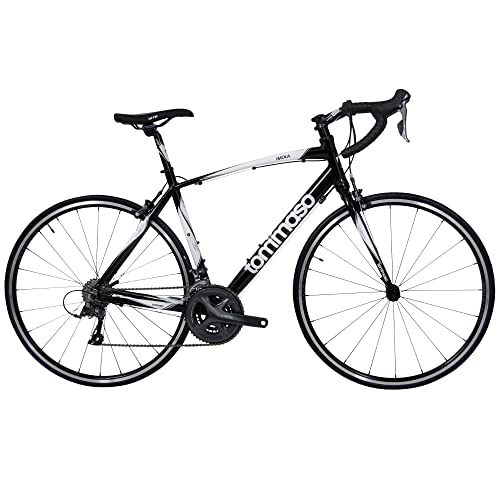
Best Beginner Road Bike (2026): 3 Real Picks You Can Actually Buy Online
A good first road bike is less about the brand on the frame and more about a few basics: a light aluminum frame, a Shimano drivetrain that shifts cleanly, and a fit that suits you. Quality road bikes are surprisingly scarce and pricey on Amazon, so it pays to skip the no-name bargains and stick to real brands. Here are three you can genuinely buy, from an affordable Schwinn to a carbon-fork Tommaso to grow into.
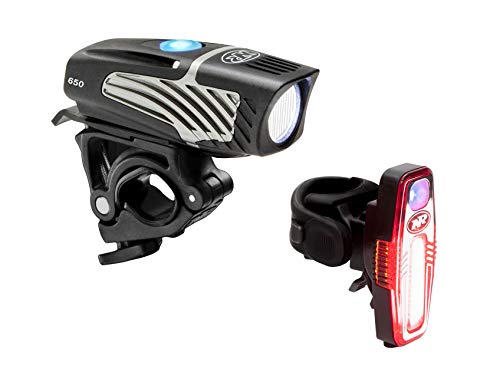
Best Bike Lights for Beginners (2026): 3 Real Picks
Bike lights do two different jobs, and knowing which you need is the whole decision. A 'be seen' light is a bright blinker that makes cars notice you on lit streets; a 'see the road' light throws a real beam so you can ride on dark, unlit roads and trails. Both should be USB rechargeable and easy to move between bikes. Most commuters need be-seen; anyone riding beyond streetlights needs to actually see. Here are three good options across the range, plus how to pick the brightness that matches where you ride.