Best Milligram Scale for Perfume Making (2026): Resolution Is Not Accuracy
Perfume formulas are written by weight, in percentages, and some materials are used at a fraction of a percent — a few milligrams in a ten gram batch. That means the scale is not a convenience, it is the instrument the whole craft depends on. It also means the number printed on the box is routinely misunderstood: a scale that displays three decimal places is not necessarily accurate to three decimal places.
HobbyStack may earn a commission from links on this page at no extra cost to you. Our picks are chosen on merit; the commission helps fund the research.
- Resolution is what the display shows. Accuracy is how close it is to true. They are different numbers.
- For perfumery you want 0.01g at minimum, and 0.001g for potent aroma materials used at trace levels.
- Every scale needs calibrating with a known weight, and most ship with one. Use it.
- Draughts and vibration ruin milligram readings. Use the draught shield, on a solid surface.
- Work by weight, never by drops. Drop size varies enormously with viscosity.
 Fuzion Pocket Scale 0.01gStarting out$10Check price
 Our pickAWS Precision ScaleMost people$45Check price
 AWS Gemini Milligram ScaleTrace materials$74Check price
Resolution versus accuracy
These get conflated constantly, and the difference decides whether a scale is fit for perfumery.
Resolution is the smallest increment the display can show. A scale reading to 0.001g has milligram resolution.
Accuracy is how close the reading is to the true mass. A cheap scale may display 0.001g while being accurate only to within ±0.02g — so the last two digits are, in effect, decoration.
Repeatability is whether you get the same number twice for the same object. Arguably it matters most in formulation, because a scale that is consistently slightly off still produces a reproducible formula, while one that wanders does not.
Good specifications state accuracy separately, often as ±(some number of digits). If a listing advertises only resolution and says nothing about accuracy, assume the accuracy is much worse than the display implies.
Also watch minimum load: many scales are unreliable below a certain mass, which is exactly the range trace materials live in.
Why perfumers work by weight
Drops are the obvious unit and they are unusable for formulation.
Drop size depends on the viscosity of the material and the shape of the dropper. A drop of a thin citrus oil and a drop of a thick resinoid can differ severalfold in mass, so a formula in drops is not reproducible even by the person who wrote it.
Weight also lets you scale. A formula written as percentages by weight can be made at one gram to test or at a hundred to bottle, with the ratios preserved exactly.
And many aroma materials are used at trace levels — a fraction of a percent — where the difference between 0.02g and 0.04g is the difference between a note and an overdose. That is not measurable by counting drops.
The practical consequence: work in grams, write formulas as percentages, and use dilutions for the most potent materials rather than trying to weigh a milligram of neat oil.
 Best for starting out
Fuzion Gram Scale, Pocket Scale .01 Gram Accuracy, 200g Small
A pocket scale reading to 0.01g, which is the sensible floor for perfumery and enough to weigh most materials in a small batch accurately. It ships with a calibration weight, which matters more than the price suggests — a scale you cannot calibrate is a scale you cannot trust. At this money it is genuinely hard to argue with as a first purchase. The limits show at the bottom of the range: below about half a gram the readings become unreliable, so trace materials need to be handled as dilutions rather than weighed neat. There is no draught shield, so work away from open windows, and the small platform is awkward under anything wider than a small beaker.
What's good
- 0.01g resolution — the sensible floor
- Calibration weight included
- Very cheap for a real instrument
- Pocket sized
What's not
- Unreliable below about half a gram
- No draught shield
- Small platform
- Accuracy well short of its resolution
 Best for most people
American Weigh Scales Precision Digital Kitchen Weight Scale
A step up in build and stability rather than in headline resolution, and stability is what you actually notice in use — readings settle quickly and stay settled instead of drifting by a digit while you are trying to read them. The larger platform takes a beaker or a bottle without balancing it, and the higher capacity means you can weigh into a heavier vessel and still tare with room to spare, which the small pocket scales run out of quickly. It is four times the price of the pocket scale, and if you are making small test batches with dilutions the cheaper scale genuinely does the job. Buy this when the pocket scale is annoying you rather than before.
What's good
- Settles fast and stays settled
- Platform takes a beaker or bottle
- Higher capacity — tare a heavy vessel
- Noticeably better build
What's not
- Four times the pocket scale
- Same resolution class, not finer
- Takes bench space
- Still no full draught enclosure
 Best for trace materials
American Weigh Scales Gemini Series Precision Digital
True milligram resolution with a draught shield, and the shield is not an accessory — at 0.001g a passing draught or someone closing a door moves the reading, so an unshielded milligram scale is largely theatre. This is the tool for weighing potent aroma materials at trace levels directly rather than working entirely through dilutions, which saves a step and some guesswork in serious formulation. Capacity is lower than the larger scales, so you will still want something else for weighing out a finished batch. It is the most expensive here and genuinely unnecessary if you work at 0.01g with dilutions, which most people starting out should. Calibrate it often.
What's good
- Genuine 0.001g resolution
- Draught shield — essential at this resolution
- Weigh trace materials neat
- Good repeatability
What's not
- Lower capacity — not for whole batches
- Most expensive here
- Needs frequent calibration
- Unnecessary if you work with dilutions
Every scale drifts with temperature, movement and age, and every one of these ships with or accepts a calibration weight. Calibrate on a solid surface away from draughts, and at milligram resolution keep the shield closed while reading — at 0.001g a door closing across the room genuinely moves the number.
Dilutions, and why they solve the accuracy problem
Many aroma materials are far too potent to use neat, and some are used at fractions of a percent. Weighing 0.003g of anything reliably is difficult on a hobby scale.
The standard answer is a dilution: make up the material at, say, 10% in perfumer's alcohol or a carrier, then weigh ten times as much of the dilution to get the same amount of material.
That turns an unmeasurable 0.003g into a comfortable 0.03g, well inside what a 0.01g scale handles reliably. For very potent materials, 1% dilutions push it further still.
It also makes the material easier to smell and evaluate honestly, since many things smell unpleasant or indistinct neat and only reveal themselves diluted.
This is why a 0.01g scale plus a habit of making dilutions is a better setup for a beginner than a milligram scale used neat.
Before you buy
Look for a stated accuracy figure, not just resolution.
Check the minimum reliable load — trace materials live at the bottom of the range.
0.01g plus dilutions beats 0.001g used carelessly.
Calibrate with the supplied weight before first use, and regularly after.
Work on a solid surface away from draughts, and use the shield if it has one.
Scale questions
What resolution scale do I need for perfume making?
Is a 0.001g scale accurate to 0.001g?
Why do perfumers weigh instead of counting drops?
How do I weigh very small amounts accurately?
Buy 0.01g resolution and learn to make dilutions — that combination handles almost everything a beginner formulates, and it is more reliable than a milligram scale used without a draught shield. The AWS precision scale is the right buy for regular work: steady readings and a platform that takes a beaker. The Fuzion pocket scale is a genuinely good start for very little. Move to the Gemini only when you want to weigh trace materials neat. Calibrate everything.
Ready to actually do it?
The first perfume making quest takes an evening, and it tells you whether the gear was worth it better than any review can.
Start Perfume MakingThe HobbyStack editorial team researches each guide against manufacturer specifications, published resources and practitioner sources. Every product is checked for availability and described against its current listing before publication, and prices are re-checked when guides are updated.
About our editorial process →More gear guides
All guides
Best Beakers for Perfume Making (2026): Borosilicate, and Small
Perfumery works in small volumes and strong solvents, which rules out most measuring vessels in a kitchen. Plastic absorbs fragrance and hands it to the next blend; soda-lime glass is fine until something warm goes in it. Borosilicate solves both, and the sizes you actually need are smaller than any set will sell you.

Best Bottles for Perfume Making (2026): Roll-On or Spray Decides It
The bottle question looks like packaging and is actually a formulation question. Oil-based perfume goes in a roll-on; alcohol-based perfume needs an atomiser, because rolling it on wastes the top notes and defeats the point of using alcohol at all. Get that the wrong way round and you have bought the wrong thing regardless of how nice the glass is.
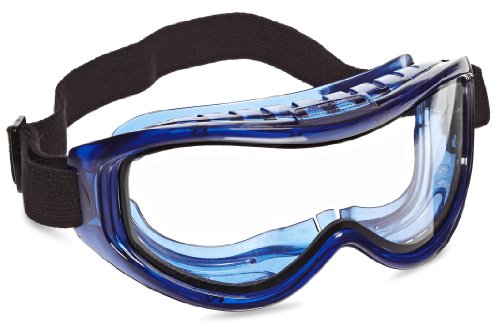
Best Soap Making Goggles (2026): Lye Takes Eyesight, and Glasses Are Not Enough
Sodium hydroxide dissolves protein, which is how it turns oil into soap and also what it does to an eye. A splash does not sting and then wash out; it keeps reacting, and it can take sight permanently in seconds. Safety glasses leave the sides open, and a splash from a stirring pot does not arrive from straight ahead.
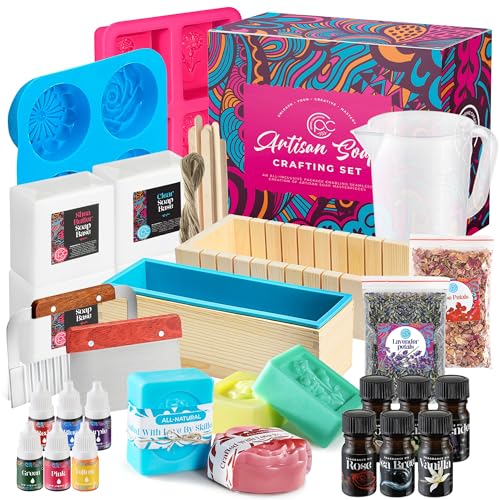
Best Soap Making Kit for Beginners (2026): 3 Melt-and-Pour Picks
The easiest way to start making soap is a melt-and-pour kit, which skips the lye and safety hazards of traditional soap making entirely: you melt a ready-made base, add colour and scent, and pour it into molds. A kit bundles the base, molds, colourants, and fragrance so you can make your first bars in an afternoon. Here are three good ones, from a simple starter to a deluxe box.

Best Archival Brushes (2026): Soft, Dry, and Always Away From the Spine
The first rule of cleaning a book is that you almost never use water. Surface dirt comes off dry, with a soft wide brush and patience, and anything wet risks tidelines, cockling and lifting the very ink you were trying to save. The brush is the tool that does most of the real work.

Best Bone Folder (2026): Real Bone Burnishes, Plastic Just Presses
A bone folder does two jobs that sound like one. It creases paper, which anything stiff can do, and it burnishes — polishing a fold so the fibres lie down and the crease becomes sharp and permanent. Real bone burnishes. Plastic mostly just presses, and on some papers it leaves a shine you cannot remove.