Best Beakers for Perfume Making (2026): Borosilicate, and Small
Perfumery works in small volumes and strong solvents, which rules out most measuring vessels in a kitchen. Plastic absorbs fragrance and hands it to the next blend; soda-lime glass is fine until something warm goes in it. Borosilicate solves both, and the sizes you actually need are smaller than any set will sell you.
HobbyStack may earn a commission from links on this page at no extra cost to you. Our picks are chosen on merit; the commission helps fund the research.
- Borosilicate, not plastic and not ordinary glass. It resists solvents and thermal shock.
- Small sizes do the work. 10ml and 50ml get used constantly; 250ml rarely.
- A graduated beaker is for mixing, not for accuracy. Weigh instead.
- Glass cleans properly and does not hold scent. That is the whole reason for it.
- Wide mouths evaporate fast. Cover a blend you are leaving to stand.
 Our pickKarter 4-Piece Set, 10–250mlMost people$10Check price
 Pyrex Griffin 5-Piece SetA name you know$37Check price
 Kimble Kimax 150mlNot home perfumery$410Check price
Why borosilicate
Ordinary drinking glass is soda-lime, and it has a high coefficient of thermal expansion — put something hot into a cold glass and the inside expands faster than the outside, which is how glass cracks.
Borosilicate replaces some of the soda and lime with boron trioxide, which drops that expansion by roughly two thirds. It handles temperature change, and it is considerably more resistant to chemical attack.
For perfumery the chemical resistance is the more relevant half. You are working with high-proof alcohol and concentrated aromatics, some of which are aggressive solvents, and you want a vessel that does not react, etch or leach.
Plastic is the real thing to avoid. Fragrance oils permeate it, and a plastic beaker that has held vetiver will hand vetiver to whatever goes in next — the same reason perfumers avoid plastic bottles. It can also be attacked by the solvents themselves.
Type I Class A, which the Karter set states, is the pharmacopoeia designation for the most chemically resistant grade of borosilicate. It is a real specification rather than marketing.
Beakers are for mixing. Weigh for accuracy.
A graduated beaker looks like a measuring device and is a poor one. The graduations on laboratory beakers are approximate — typically around 5% — because a beaker is designed for containing and mixing, not measuring. A graduated cylinder is far more accurate, and a balance is better still.
Which matters, because perfumery is a formula discipline. A formula recorded by volume is difficult to reproduce, since aromatics differ in density and a drop is not a unit.
Work by weight. A 0.01g jeweller's scale costs very little and turns a blend into something you can repeat exactly and scale up or down at will. Record everything in grams and percentages.
So the beaker's job is: hold the blend, let you swirl it, pour cleanly. The spout matters, the graduations barely do.
That also explains the sizes. Perfume trials are 5 to 20ml, so the 10ml and 50ml beakers get used constantly and the 250ml sits in the cupboard. A set that includes the small sizes is worth more than a set of big ones.
 Best for most people
Glass Low Form Beaker Set
Four sizes — 10, 50, 100 and 250ml — in 3.3 borosilicate rated Type I Class A, the pharmacopoeia grade for chemical resistance. The size range is what makes it the pick: 10ml and 50ml are the volumes perfume trials actually use, and most sets skip them in favour of large beakers you will never fill. Griffin low form with a large marking spot for labelling in pencil.
What's good
- Includes the 10ml and 50ml sizes you actually use
- Type I Class A borosilicate, a real specification
- Large marking spot for labelling trials
- Cheapest option here by a wide margin
What's not
- Graduations are approximate — weigh instead
- Thin walls chip if knocked together
- Plain lab glassware with no niceties
- No lids or covers
 Best known name
PYREX Griffin Borosilicate Glass Beaker
Five borosilicate Griffin beakers from Pyrex, with a spout and a large marking spot for identifying what is in each. Thermal shock resistance is the headline, which matters if you warm a blend or wash in hot water. What you are paying for over the cheaper set is consistency of manufacture and a name with a long record in laboratory glass. Check the sizes suit perfumery, since large beakers go unused.
What's good
- Consistent, well-finished laboratory glass
- Good pouring spouts and clear marking spots
- Genuine thermal shock resistance
- Easy to replace individual pieces
What's not
- Nearly four times the Karter set
- Same approximate graduations as any beaker
- Larger sizes see little use in perfumery
- No functional advantage for cold blending
 Not for home perfumery
Kimble Kimax Beaker Low Form Griffin Borosilicate Glass 150ml
Worth being blunt: this is a laboratory supply listing for a single 150ml Kimax beaker, priced the way scientific consumables are priced when sold in institutional quantities. It is excellent glass. It is also roughly forty times the four-piece Karter set for one beaker in a size perfumery rarely uses. Unless you are equipping a lab and need a specific certified item, the cheaper sets do this job identically.
What's good
- Kimax is a genuinely respected laboratory brand
- Borosilicate Griffin low form
- Right if you need a specific certified item
- Institutional quality control
What's not
- Roughly forty times the Karter set for one beaker
- 150ml is a size perfumery rarely uses
- A lab-supply listing rather than a hobby product
- No advantage at all for home blending
Beaker graduations are approximate by design — around 5% — because a beaker is for containing and mixing. Perfume formulas need to be repeatable, and volume is a poor unit when aromatics differ in density. A cheap 0.01g jeweller's scale lets you record everything in grams and percentages, which means you can reproduce a blend exactly and scale it at will.
Cleaning glass between blends
Glass is chosen because it cleans properly. That only holds if you clean it properly.
Rinse with high-proof alcohol, not water. Fragrance oils do not dissolve in water, so a water rinse leaves a scented film that goes straight into the next blend.
Then wash with hot water and detergent, and rinse again.
Dry completely and upside down. Trapped alcohol or water dilutes the next thing you put in.
Smell it before reuse. This is the only test that matters. If the empty beaker smells of anything, it will pass that on.
Some materials never fully leave. Vetiver, oud accords, some ambers and animalics are extraordinarily tenacious, and glass that has held them may keep a trace through several cleanings. The practical answer is to dedicate a beaker to your heaviest base materials rather than fighting it.
And label as you work. A row of identical clear beakers becomes anonymous within about a minute.
Before you buy
Borosilicate only. Never plastic — it absorbs fragrance permanently.
Check the set includes 10ml and 50ml. Those are the working sizes.
Buy a 0.01g scale. It matters more than the glassware.
Rinse with alcohol before soap and water.
Dedicate one beaker to tenacious base notes.
Beaker questions
Why does perfume making need borosilicate glass?
Can I use plastic containers for perfume?
Are beaker graduations accurate enough for formulas?
What beaker sizes do I actually need?
The Karter four-piece set is the buy: Type I Class A borosilicate, and crucially it includes the 10ml and 50ml sizes that perfume trials actually use, for about the price of a coffee. The Pyrex set is better-finished glass for four times as much and no functional gain for cold blending. The Kimble listing is laboratory supply and makes no sense for home use. Then spend the difference on a 0.01g scale, which matters more than any of them.
Ready to actually do it?
The first perfume making quest takes an evening, and it tells you whether the gear was worth it better than any review can.
Start Perfume MakingThe HobbyStack editorial team researches each guide against manufacturer specifications, published resources and practitioner sources. Every product is checked for availability and described against its current listing before publication, and prices are re-checked when guides are updated.
About our editorial process →More gear guides
All guides
Best Bottles for Perfume Making (2026): Roll-On or Spray Decides It
The bottle question looks like packaging and is actually a formulation question. Oil-based perfume goes in a roll-on; alcohol-based perfume needs an atomiser, because rolling it on wastes the top notes and defeats the point of using alcohol at all. Get that the wrong way round and you have bought the wrong thing regardless of how nice the glass is.

Best Milligram Scale for Perfume Making (2026): Resolution Is Not Accuracy
Perfume formulas are written by weight, in percentages, and some materials are used at a fraction of a percent — a few milligrams in a ten gram batch. That means the scale is not a convenience, it is the instrument the whole craft depends on. It also means the number printed on the box is routinely misunderstood: a scale that displays three decimal places is not necessarily accurate to three decimal places.
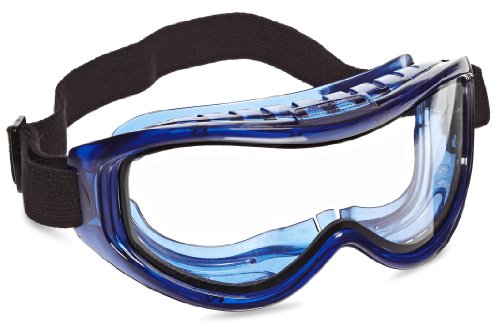
Best Soap Making Goggles (2026): Lye Takes Eyesight, and Glasses Are Not Enough
Sodium hydroxide dissolves protein, which is how it turns oil into soap and also what it does to an eye. A splash does not sting and then wash out; it keeps reacting, and it can take sight permanently in seconds. Safety glasses leave the sides open, and a splash from a stirring pot does not arrive from straight ahead.
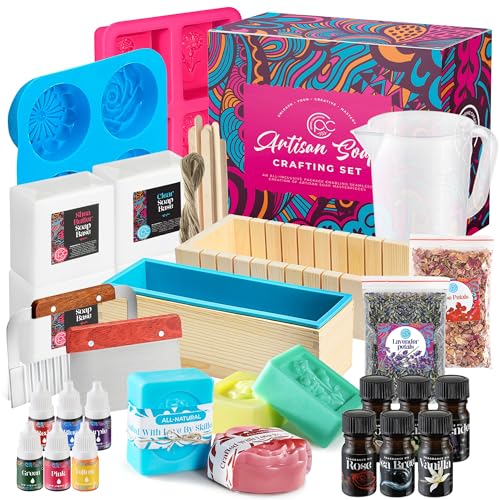
Best Soap Making Kit for Beginners (2026): 3 Melt-and-Pour Picks
The easiest way to start making soap is a melt-and-pour kit, which skips the lye and safety hazards of traditional soap making entirely: you melt a ready-made base, add colour and scent, and pour it into molds. A kit bundles the base, molds, colourants, and fragrance so you can make your first bars in an afternoon. Here are three good ones, from a simple starter to a deluxe box.

Best Archival Brushes (2026): Soft, Dry, and Always Away From the Spine
The first rule of cleaning a book is that you almost never use water. Surface dirt comes off dry, with a soft wide brush and patience, and anything wet risks tidelines, cockling and lifting the very ink you were trying to save. The brush is the tool that does most of the real work.

Best Bone Folder (2026): Real Bone Burnishes, Plastic Just Presses
A bone folder does two jobs that sound like one. It creases paper, which anything stiff can do, and it burnishes — polishing a fold so the fibres lie down and the crease becomes sharp and permanent. Real bone burnishes. Plastic mostly just presses, and on some papers it leaves a shine you cannot remove.