Best Miniature Paint Set for Beginners (2026): 3 Picks That Actually Work
The paint set is the heart of miniature painting, and the beginner trap is buying random craft acrylics that go on thick and hide all the detail. A proper miniature paint set is finely pigmented, flows off the brush, and is built to layer. Here are three good ones, from a loaded all-in-one kit to a pro-grade range.
HobbyStack may earn a commission from links on this page at no extra cost to you. Our picks are chosen on merit; the commission helps fund the research.
- Use real miniature acrylics (Army Painter, Vallejo, Citadel), not craft-store paint. They are finely pigmented and thin, so they show detail instead of hiding it.
- A loaded starter kit (paints plus brushes plus a palette) is the easiest, cheapest way in, and covers everything you need for your first minis.
- You need a few core colours, a couple of decent brushes, and a primer. You do not need 50 pots to start.
- Priming your model first (a cheap rattle can works) is the single biggest thing that makes paint behave.
 Nicpro All-In-One Miniature Painting KitEverything in one box for very little$30Check price
 Our pickThe Army Painter Warpaints Fanatic Starter SetThe starter set most painters recommend$40Check price
 Vallejo Game Color Specialist SetA wider range you grow into$55Check price
The one rule that matters most: buy paint made for miniatures. Miniature acrylics from Army Painter, Vallejo, and Citadel are finely ground and formulated to go on thin, so the sculpted detail stays crisp. Craft-store acrylics are cheap but thick and grainy, and they fill in the fine lines that make a mini look good. This is the mistake almost every beginner makes, and it is the easiest one to avoid.
Beyond the paint, two things carry a beginner a long way. A loaded starter kit bundles a sensible spread of core colours with a couple of brushes and often a palette, which is why it is the smart first buy. And primer: spraying your model with a thin coat of primer first gives the paint something to grip, so it flows on evenly instead of beading up. A basic rattle can of primer costs little and changes everything.
 Best starter kit
Nicpro All-In-One Miniature Painting Kit
The no-decisions way to start. You get a spread of miniature acrylic colours plus fine detail brushes and a palette, all in one box, so you can prime a model and start painting the day it arrives. The paint is not boutique grade, but it is genuine thin miniature acrylic that shows detail, and the value is hard to argue with.
What's good
- Complete kit: paints, brushes, palette
- Thin miniature acrylics, not craft paint
- Great value to get started
- No guesswork picking colours
What's not
- Paint quality below premium brands
- Brushes are fine for now but you will upgrade
 Best for most beginners
The Army Painter Warpaints Fanatic Starter Set
The set most people point beginners to, and for good reason. Army Painter Warpaints Fanatic are excellent, well-behaved miniature acrylics, and the starter set gives you a smart core of colours (usually including a metallic) plus a brush to get going. The dropper bottles make it easy to use just what you need, and the paint layers beautifully. A genuine step up in quality that still costs little.
What's good
- Excellent, reliable miniature acrylics
- Smart core colour selection plus a brush
- Dropper bottles reduce waste
- The de facto beginner standard
What's not
- Fewer pots than a big all-in-one kit
- You add your own primer
 Best to grow into
Vallejo Game Color Specialist Set
The buy-once range. Vallejo Game Color is a professional-grade line loved for smooth, highly pigmented paint, and this set gives you a wider spread of colours to mix and layer than a starter pack. More than you strictly need on day one, but if you already know you are into this, a fuller pro palette means fewer gaps and less re-buying later.
What's good
- Pro-grade, highly pigmented acrylics
- Wider colour range to mix and layer
- Smooth, consistent flow
- A palette you will not outgrow fast
What's not
- More paint than a first mini needs
- Brushes and primer not included
Paint behaves completely differently on a primed model. A thin coat of primer (a cheap spray can is fine) gives the acrylic something to grip, so it goes on smooth and even instead of beading up and rubbing off. It is the single cheapest thing you can do to make your painting look better, so do not skip it.
Which to buy: want everything in one box with nothing else to think about? The Nicpro kit. Want genuinely great paint that the whole hobby recommends to beginners? The Army Painter Fanatic starter is the easy call. Already sure you are hooked and want a fuller pro palette? The Vallejo Game Color set.
Before you buy
Thin your paints with a little water. Two thin coats always look better than one thick one.
Prime the model first with a cheap spray primer so the paint grips and flows.
Start with two good brushes (a detail brush and a basecoat brush) rather than a big cheap bundle.
A wet palette keeps your acrylics workable for longer once you get past your first few minis.
Miniature paint questions
Can I use craft acrylics for miniatures?
What paints do I actually need to start?
Do I need to prime miniatures before painting?
What brushes should a beginner get?
Are Army Painter, Vallejo, and Citadel interchangeable?
What is a wet palette and do I need one?
For most beginners the Army Painter Warpaints Fanatic starter set is the pick: genuinely great miniature paint, a smart core of colours, and a brush to get going. Want everything in one box for less? The Nicpro kit. Already hooked and want a fuller pro palette? The Vallejo Game Color set. Whatever you pick, use real miniature paint and prime your model first.
Ready to actually do it?
The first painting miniatures quest takes an evening, and it tells you whether the gear was worth it better than any review can.
Start Painting MiniaturesThe HobbyStack editorial team researches each guide against manufacturer specifications, published resources and practitioner sources. Every product is checked for availability and described against its current listing before publication, and prices are re-checked when guides are updated.
About our editorial process →More gear guides
All guides
Best Hobby Knife Set for Models & Dioramas (2026): X-Acto vs Budget Kits
A dull, wobbly blade ruins more parts than any lack of skill. Spend $8 to $52 on a real hobby knife set with sharp blades and a tight collet, and your cuts get clean overnight.

Best Needle File Set (2026): Swiss Cut Numbers Run Backwards
Two things about needle files surprise people. Swiss cut numbers run the opposite way to sandpaper grit, so a higher number is finer, not coarser. And the most expensive set on this page is the coarser one, because cut grade and price are unrelated. Knowing both saves buying a set that does the wrong job beautifully.
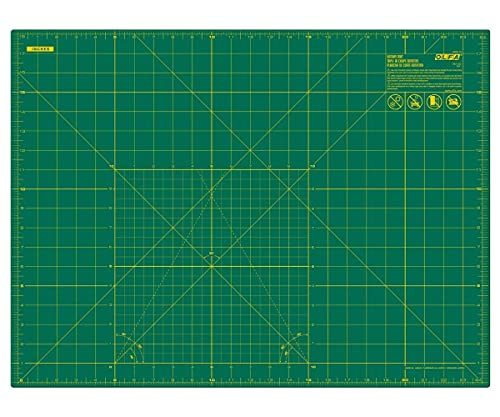
Best Cutting Mat for Prototyping (2026): Rotary Mats and Knives Do Not Mix
Self-healing mats are not all built for the same blade. OLFA say plainly that their rotary mat is for rotary cutters only and not for fixed-blade utility knives, which is exactly what you cut prototype cards with. It is the kind of thing you find out from the packaging rather than from the product name.

Best Model Railroad Track (2026): Code Is Rail Height, and It Shows
Code 100 and Code 83 both say HO scale on the box and they are not the same height. The code is the rail height in thousandths of an inch, and Code 100 rail is noticeably taller than anything the real railroads used at that scale. Once you have seen the difference on a layout you cannot unsee it.
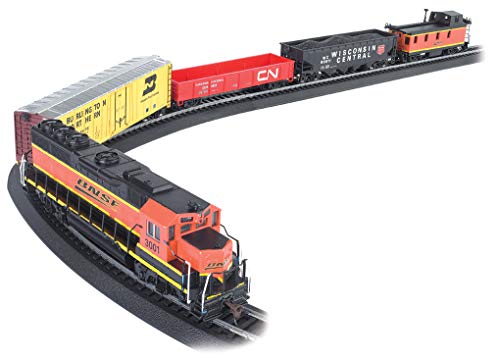
Best Model Train Set for Beginners (2026): 3 HO-Scale Starter Sets
The easiest way into model railroading is a ready-to-run starter set: a locomotive, a few cars, a loop of track, and a power pack, all in one box, so you can have a train running on the kitchen table the same day. For beginners the sweet spot is HO scale, the most popular size worldwide, big enough to handle easily and backed by a huge range of track, buildings, and trains to grow with. The main upgrade to understand is DC versus DCC (whether you can run and control more than one train independently, with sound). Here are three good HO starter sets, from a simple first loop to a premium digital set with sound.

Best Automata Kit (2026): A Cam Is a Shape That Stores a Movement
An automaton is a machine that turns one simple input, usually a crank, into a specific sequence of movement. The clever part is almost always a cam: a shape cut so that as it rotates, a follower riding on its edge rises and falls in exactly the pattern you designed. The movement is stored in the shape.