Best Model Rocket Starter Set for Beginners (2026): 3 Estes Launch Sets
The key thing a beginner needs is a launch SET, not just a rocket: a set includes the launch pad and the electric controller you need to actually send it up, so you are ready to fly out of the box. Estes has made these since 1958 and dominates the beginner scene for good reason. Here are three good ones, from a fly-now prebuilt set to a bigger build-it kit.
HobbyStack may earn a commission from links on this page at no extra cost to you. Our picks are chosen on merit; the commission helps fund the research.
- Buy a launch SET, not just a rocket: a set includes the launch pad and electric controller you need to fly.
- Prebuilt sets fly the same day; build-it kits add the fun (and skill) of assembling the rocket first.
- You also need engines (motors) and igniters, plus recovery wadding. These are consumables, often sold separately.
- Follow the safety basics: launch outdoors in a large open area, away from dry brush, with adult supervision.
 Estes Rascal and Hijinks Launch SetFly the same day for the least$27Check price
 Our pickEstes Tandem-X Launch SetThe classic beginner set most should buy$34Check price
 Estes Pathfinder Launch SetA nicer build you grow into$45Check price
The single most useful thing to understand is the difference between a rocket and a launch set. A bare rocket kit is just the rocket; a launch set includes the two other things you cannot fly without: the launch pad (that holds and aims the rocket) and the electric launch controller (that ignites the engine from a safe distance). All three picks here are launch sets, so they come with the pad and controller and you are ready to fly once you add engines. Estes has been making these since 1958, and their beginner sets are the standard for a reason.
The one recurring cost to know about is engines. Model rockets fly on single-use Estes engines (motors), each with an igniter, and you also use a bit of recovery wadding to protect the parachute. These are consumables you buy in packs, and they are often not included with the set, so budget a few dollars for a starter engine pack alongside the launch set. Beyond that, the choice is simple: prebuilt sets fly the same day, while build-it kits let you assemble and even paint the rocket first, which is half the fun for many people.
 Best budget set
Estes Rascal and Hijinks Launch Set
The fastest, cheapest way to actually launch something. This Estes set comes with two prebuilt rockets (no assembly needed), plus the launch pad and electric controller, so you can head to a field and fly the day it arrives. The rockets reach up to about 1,100 feet. It is the ideal low-commitment start: add an engine pack and you are launching, with nothing to build first.
What's good
- Two rockets, prebuilt and ready to fly
- Includes launch pad and controller
- Flies up to ~1,100 ft
- Lowest-effort way to start
What's not
- No building experience (already assembled)
- Engines bought separately
 Best for most beginners
Estes Tandem-X Launch Set
The beginner set almost everyone recommends. The Tandem-X gives you two rockets to build (including a big 30-inch one), plus the launch pad and controller, so you get the fun of assembling and flying your own rockets at two different altitudes. It is the no-overthinking pick: enough to learn how rockets go together, launch properly, and get hooked, all in one classic set.
What's good
- Two build-it rockets, one a big 30 in
- Includes launch pad and controller
- Learn to build and fly
- The classic beginner recommendation
What's not
- Requires assembly (glue, drying time)
- Engines bought separately
 Best to grow into
Estes Pathfinder Launch Set
A step up in the launch gear you keep using. The Pathfinder set includes a rocket to build (roughly an hour) plus the sturdier Porta-Pad II launch pad and Electron Beam controller, which are the launch equipment you reuse for every future rocket. It flies up to about 1,000 feet. More than the bare minimum, but the better pad and controller make it a set you build on as you get further into the hobby.
What's good
- Includes the sturdy Porta-Pad II and Electron Beam controller
- Reusable launch gear for future rockets
- Flies up to ~1,000 ft
- About a 1-hour build
What's not
- Premium price for a single rocket
- Engines bought separately
The launch set includes the pad and controller, but not the engines. Model rockets fly on single-use Estes motors (with igniters) that you buy in packs, plus a little recovery wadding to protect the parachute, so pick up a starter engine pack too. And always launch outdoors in a large, open field away from dry grass or trees, with adult supervision, following the Estes and NAR safety guidance.
Which to buy: want to fly the same day with no building? The Rascal and Hijinks prebuilt set. Want the classic beginner experience of building and flying two rockets? The Tandem-X is the easy pick. Want a sturdier launch pad and controller to grow into? The Pathfinder set.
Before you buy
Buy a starter engine pack (with igniters) and recovery wadding alongside the set. The set does not include them.
Launch in a large open field away from dry brush, buildings, and trees, and check the wind is light.
Follow the Estes and NAR safety guidelines, and keep spectators back at the recommended distance.
Start with the smallest recommended engine for a new rocket so it lands within your field, then size up.
Model rocket starter set questions
What is the difference between a rocket and a launch set?
Do model rocket sets include the engines?
Should I get a prebuilt or a build-it set?
How high do beginner model rockets fly?
Where can I safely launch a model rocket?
What else do I need besides the set and engines?
For most beginners the Estes Tandem-X is the pick: two rockets to build and fly plus the launch pad and controller, the classic way to get hooked. Want to fly the same day with no building? The prebuilt Rascal and Hijinks set. Want sturdier launch gear to grow into? The Pathfinder. Whatever you choose, buy a launch set (not just a rocket), grab an engine pack, and launch in a big open field.
Ready to actually do it?
The first model rocketry quest takes an evening, and it tells you whether the gear was worth it better than any review can.
Start Model RocketryThe HobbyStack editorial team researches each guide against manufacturer specifications, published resources and practitioner sources. Every product is checked for availability and described against its current listing before publication, and prices are re-checked when guides are updated.
About our editorial process →More gear guides
All guides
Best Automata Kit (2026): A Cam Is a Shape That Stores a Movement
An automaton is a machine that turns one simple input, usually a crank, into a specific sequence of movement. The clever part is almost always a cam: a shape cut so that as it rotates, a follower riding on its edge rises and falls in exactly the pattern you designed. The movement is stored in the shape.

Best Antenna Analyzer (2026): An SWR Meter Tells You Less Than You Think
An SWR meter tells you that your antenna is wrong. An analyzer tells you which way it is wrong and by how much, which is the difference between trimming a dipole in one afternoon and cutting it four times and hoping. They are usually shelved together and they answer genuinely different questions.
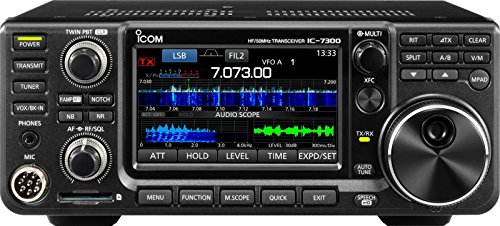
Best HF Base Station Ham Radio (2026): 3 Rigs to Grow Into
An HF base station is the radio that lets you talk across the country and around the world, not just to the local repeater a few towns over. Unlike a handheld, an HF rig needs a General-class license, an antenna, and a 12V power supply, but in return it opens up real long-distance contacts (what hams call DX). Here are three good ones, from an affordable SDR rig to an all-band radio you will not outgrow.

Best Ham Radio for Beginners (2026): From a $30 Handheld to a 50W Base
The best first ham radio is a cheap handheld: for the price of a takeout meal you get a real dual-band radio to learn on, hit local repeaters, and pass your license test with. As you get into it, a higher-power handheld or a 50W mobile opens up far more range. Here are three good ones, and yes, you need a license to transmit (it is easy to get).

Best Pottery Tool Set (2026): Six of the Twelve Do Nearly Everything
Open a twelve-piece pottery set and six tools will do nearly all your work: the wire cutter, a wooden rib, a metal rib, a loop trimming tool, a sponge and a needle tool. The rest get picked up once, found to duplicate something, and left in the canister for years.

Long Blade Freediving Fins (2026): Stiffness Is Matched to Your Legs, Not Your Ambition
Long blades are not about speed. A long blade moves a large volume of water per kick, so you cover distance at a slow, unhurried cadence instead of a fast one, and on a breath-hold the thing you are conserving is oxygen. A stiff blade you cannot load properly burns more of it than a soft blade you can.