Best Rock Hammer for Fossil Hunting & Geology (2026): Estwing Picks Compared
The rock hammer is the one fossil-hunting tool you must not improvise. An ordinary hammer can chip and shatter against stone. A real geology hammer, forged in one piece, splits rock safely for decades. Here is what to buy at $30 to $46.
HobbyStack may earn a commission from links on this page at no extra cost to you. Our picks are chosen on merit; the commission helps fund the research.
- A rock hammer is the one tool you cannot fossil-hunt without, and it is the one tool you must not improvise. A normal claw hammer is not hardened for stone: it chips, and the fragments come back at your eyes at speed. Buy a real geology hammer.
- Our pick: the Estwing 22 oz Rock Pick (~$42). Forged in a single piece of steel from head to handle, so the head can never fly off, with a pointed tip for prying and splitting and a flat face for driving a chisel. For most fossil hunters it is the only rock hammer they ever need.
- Lighter option: the Estwing 13 oz Rock Pick (~$30). The same forged build in a lighter head. Easier on the wrist over a long day of careful work, and the better fit for smaller hands or younger hunters. Less mass means more taps to split hard rock.
- Buy-once: the Estwing 22 oz Leather-Grip Rock Pick (~$46). Identical head, fitted with the classic stacked-leather handle. It feels better in the hand over hours and is the tool you hand down. A comfort and pride upgrade, not a performance one.
- Non-negotiable with any of them: safety glasses, every single strike. Splitting rock throws sharp chips, and eyes do not grow back. This is the real reason to buy a hammer built for stone rather than swing a hardware-store hammer that can shatter.
 Our pickEstwing Rock Pick (22 oz, Shock Grip)Best for most fossil hunters$42Check price
 Estwing E3-13 Rock Pick (13 oz, Shock Grip)Lighter, and easier on the wrist$30Check price
 Estwing Rock Pick (22 oz, Leather Grip)The hand-it-down version$46Check price
Why a geology hammer, and not the hammer in your drawer
This is the one hobby-tool decision that is genuinely a safety decision, so it is worth thirty seconds.
An ordinary claw or framing hammer is made to drive nails into wood. Its face is not hardened for repeatedly striking rock, and worse, its head is a separate piece wedged onto a handle. Hit hard stone with it and two bad things can happen: the face can chip or shatter (sending metal fragments flying), and the head can loosen and come off. A geology hammer is built for exactly this job. The good ones, like Estwing's, are forged in a single continuous piece of steel from the striking face all the way through the handle, so there is no head to fly off, and the steel is heat-treated to take the shock of stone without chipping.
So the real question is not which brand (Estwing is the answer almost everyone lands on), but which of the two ends and which weight you want:
- Pointed tip vs chisel edge. A rock pick has a flat striking face on one side and a pointed pick on the other. The point is for prying slabs apart, splitting along cracks, and levering fossils free from soft matrix. A rock chisel-edge hammer instead has a flat, wide edge for scraping and cutting. For general fossil hunting the pointed pick is the more versatile first tool, and the one all three picks here use. You buy a separate cold chisel to do the fine splitting (you tap it with the hammer's flat face).
- Weight. A 22 oz head is the standard: enough mass to split shale and limestone without wearing you out. A 13 oz head is lighter and kinder to the wrist for a long, careful day, or for a younger hunter, at the cost of more taps to break hard rock. Heavier than 22 oz gets into crack-hammer territory for serious rock-breaking, which most fossil hunters do not need.
One thing that surprises beginners: you rarely hammer the fossil. You split the rock around it along its natural layers (bedding planes), then do the delicate final work with picks and brushes. The hammer's job is to open the rock, not to hit the find.
 Best for most fossil hunters
Estwing Rock Pick (22 oz, Shock Grip)
The Estwing 22 oz Rock Pick is the tool the vast majority of fossil hunters and geology students carry, and for good reason. It is forged in one continuous piece of American steel, so there is no welded or wedged head to ever work loose or fly off, and the steel is tempered to take the repeated shock of striking hard rock without chipping. The pointed tip pries and splits, the flat face drives a chisel, and the shock-reduction grip genuinely takes the sting out of a full day of swings. It is close to indestructible: people pass these down. At 22 ounces it has the mass to break shale and limestone without exhausting you. If you buy one rock hammer for life, this is it.
What's good
- Forged in a single piece of steel; the head can never come loose
- Tempered to strike rock without chipping (a normal hammer will not)
- Pointed tip for prying and splitting, flat face for driving a chisel
- Shock-reduction grip cuts hand fatigue over a long day
- USA made and effectively indestructible; a genuine buy-for-life tool
What's not
- Around $42, more than a hardware-store hammer (but far safer on rock)
- 22 oz is a real weight in the hand after hours; the 13 oz is gentler
- You still need a cold chisel and brushes for the delicate work
 Lighter, and easier on the wrist
Estwing E3-13 Rock Pick (13 oz, Shock Grip)
The Estwing 13 oz Rock Pick is the same one-piece forged construction and pointed-tip design as the 22 oz, in a lighter head. Do not think of it as the cheap option so much as the ergonomic one: 13 ounces is noticeably kinder to your wrist and elbow over a long day of careful prying, and it is the right size for smaller hands or a younger fossil hunter working alongside you. The trade-off is honest: less mass means more taps to split the same hard rock, so if you mostly break tough limestone you will want the 22 oz. For lighter matrix, shale, and patient work, the 13 oz is a pleasure to carry.
What's good
- Same forged, one-piece Estwing build in a lighter, easier-to-swing head
- Much gentler on the wrist over a long, careful day
- The right fit for smaller hands and younger hunters
- Cheapest of the three while still being a real geology hammer
What's not
- Less mass means more strikes to split hard rock
- Not ideal as your only hammer if you work tough limestone
- Still needs safety glasses and a chisel like any rock hammer
 The hand-it-down version
Estwing Rock Pick (22 oz, Leather Grip)
The Estwing 22 oz Leather-Grip Rock Pick is the same 22-ounce forged head as our recommended pick, fitted with Estwing's classic stacked-leather handle instead of the nylon shock grip. The performance is identical; what you are paying the small premium for is feel and longevity of the grip. The leather warms to the hand, dampens shock in its own way that many people prefer over hours of work, and ages beautifully. It is the version that looks and feels like an heirloom, and the one people hand down to the next fossil hunter in the family. A comfort-and-pride upgrade, not a functional one.
What's good
- Identical 22 oz forged head to the recommended pick
- Classic stacked-leather handle that warms to the hand and ages well
- Many people prefer how the leather dampens shock over a long day
- The heirloom-grade version, genuinely a lifetime tool
What's not
- Costs a little more for no performance gain over the nylon grip
- Leather needs occasional care and does not love being left wet
- Same 22 oz weight; the 13 oz is still the lighter-wrist choice
This is the one piece of fossil-hunting advice that is not optional. Striking rock throws small, fast, razor-edged chips, and they travel toward the person swinging. A geology hammer is built so its own face does not shatter, but the rock still does. Cheap wraparound safety glasses cost a few dollars and are the difference between a good day out and an emergency room. Put them on before the first swing, keep them on until the last.
Splitting rock without wrecking the fossil
Split along the layers, not through them. Sedimentary rock (where most fossils are) splits cleanly along its bedding planes. Tap a cold chisel into a visible seam and work along it, rather than smashing straight down.
Hammer the rock, not the fossil. Open the stone around a find and free it with picks and brushes. A direct hammer blow on the fossil is how beginners destroy the thing they came for.
Use the chisel for control, the hammer for power. Hold a cold chisel to the crack and drive it with the hammer's flat face. This gives you far more control than swinging the pick point directly.
Check local rules before you collect. Many parks, protected sites, and private land prohibit collecting, and some fossils are legally protected. A quick check keeps a great hobby on the right side of the law.
Keep the hammer dry. Wipe it down after a wet day. The nylon-grip models shrug this off; the leather-grip wants a wipe and the occasional conditioning so the handle lasts as long as the head.
Common questions about rock hammers
Can I just use a normal hammer for fossil hunting?
Pointed tip or chisel edge?
13 oz or 22 oz, which weight should I get?
Why is Estwing the brand everyone recommends?
What else do I need besides the hammer?
Ready to actually do it?
The first fossil hunting quest takes an evening, and it tells you whether the gear was worth it better than any review can.
Start Fossil HuntingThe HobbyStack editorial team researches each guide against manufacturer specifications, published resources and practitioner sources. Every product is checked for availability and described against its current listing before publication, and prices are re-checked when guides are updated.
About our editorial process →More gear guides
All guides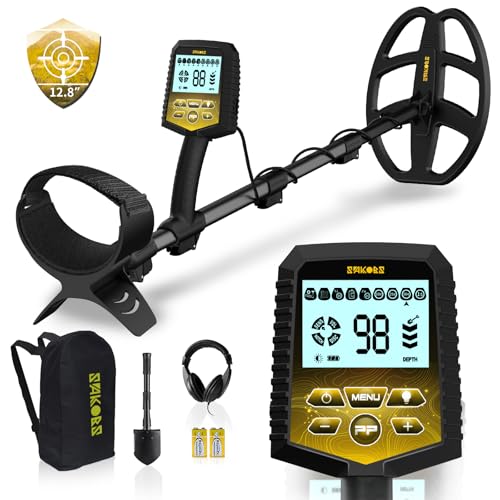
Best Beginner Metal Detector 2026: Nokta Simplex vs Minelab Vanquish
A good beginner detector is one that can tell treasure from trash, which rules out the sub-$100 toys. Spend a bit more and you get discrimination, target ID, and waterproofing that actually find things. Here are three real beginner detectors, from a simple waterproof entry to a buy-it-once multi-frequency machine.

Best Metal Detecting Headphones (2026): You Are Listening for a Whisper
The loud clear signals are usually modern rubbish near the surface. The find worth digging is often a faint, broken whisper at the edge of hearing, and whether you notice it depends almost entirely on whether wind, traffic and your own footsteps are competing with it.

Best Pinpointer (2026): The Tool That Turns a Ten-Minute Dig Into One
Your detector tells you something is within a foot or so. A pinpointer tells you it is right there, two inches down, on the left side of the hole. Without one you widen the plug, sieve the spoil by hand and eventually give up. It is the accessory that changes how the hobby feels more than any upgrade to the detector itself.

Best Safety Glasses for Rockhounding (2026): Rock Chips Do Not Bounce Off Eyes
Hitting rock with a hammer sends fragments away at genuinely dangerous speed, and quartz and flint fracture into pieces sharp enough to cut. Ordinary glasses are not a substitute: they are not impact rated, and a lens that shatters puts fragments where you least want them. The relevant standard is stamped on the frame, and knowing what it means takes about a minute.

Best Pottery Tool Set (2026): Six of the Twelve Do Nearly Everything
Open a twelve-piece pottery set and six tools will do nearly all your work: the wire cutter, a wooden rib, a metal rib, a loop trimming tool, a sponge and a needle tool. The rest get picked up once, found to duplicate something, and left in the canister for years.

Long Blade Freediving Fins (2026): Stiffness Is Matched to Your Legs, Not Your Ambition
Long blades are not about speed. A long blade moves a large volume of water per kick, so you cover distance at a slow, unhurried cadence instead of a fast one, and on a breath-hold the thing you are conserving is oxygen. A stiff blade you cannot load properly burns more of it than a soft blade you can.