Best Pinpointer (2026): The Tool That Turns a Ten-Minute Dig Into One
Your detector tells you something is within a foot or so. A pinpointer tells you it is right there, two inches down, on the left side of the hole. Without one you widen the plug, sieve the spoil by hand and eventually give up. It is the accessory that changes how the hobby feels more than any upgrade to the detector itself.
HobbyStack may earn a commission from links on this page at no extra cost to you. Our picks are chosen on merit; the commission helps fund the research.
- Waterproof, not water resistant. Holes fill with water and you will drop it in one.
- Vibration as well as sound. You cannot always hear it over headphones or wind.
- Bright colour, on a lanyard. A grey pinpointer in a spoil heap is gone.
- Sweep the walls of the hole, not just the bottom.
- It saves the turf as much as your time. Small plug, cleanly replaced.
 Bounty HunterTrying one$26Check price
 Our pickQuest XpointerMost detectorists$62Check price
 Garrett Pro-Pointer ATWater and wet ground$110Check price
What it actually does for you
A metal detector gives you a target within a cone of uncertainty that widens with depth. On a deep signal that can be a foot across at the surface, so you cut a plug, and then you are searching a hole by hand.
A pinpointer is a very short range detector, usually an inch or two, held in the hole. It narrows the target to a point.
The consequences are practical:
- Smaller holes. You cut a plug the size of the target rather than the size of your uncertainty. That is faster and it is the difference between being welcome on a permission and not.
- Faster recovery. A dig that takes ten minutes of sieving takes one.
- Fewer lost targets. Small items like hammered coins and thin gold are very easy to lose in loose soil, and a pinpointer finds them in the spoil.
- Less damage. Digging blind means catching finds with the trowel. A scratched coin is a devalued coin.
Use it on the walls, not just the floor. Targets very often sit in the side of the plug or in the wall of the hole rather than at the bottom, and people miss them by only sweeping downward.
And check the spoil heap. If the hole goes quiet, the target is in the pile you just made.
Waterproofing, alerts and losing the thing
Waterproof is the specification that matters. Not because you plan to detect in water, but because holes fill with groundwater, ground is wet for much of the year, and you will drop it in a puddle. A water-resistant pinpointer survives rain and dies in a wet hole.
The Garrett here is rated to 20 feet submersible, which is genuine underwater capability rather than splash protection, and it is the reason it costs what it does.
Alerts should be audio and vibration. Sound alone fails in wind, near a road, and especially under headphones, which is precisely when you are using it. Vibration works regardless and lets you detect quietly on a permission where noise is unwelcome.
Then the losing problem, which is not a joke. A pinpointer is a small dark object you put down in long grass next to a pile of soil. Detectorists lose them constantly, and they are ferrous enough that your own detector will find them again only if you think to look.
So: bright colours, a lanyard, and a belt holster so it has a home. The Garrett is orange for exactly this reason and the Quest ships with a holster.
Turn it off between digs. Most run on a 9V battery and leaving one on in a pocket flattens it by lunchtime.
 Best for trying one
Bounty Hunter Pinpointer
The cheapest way to find out how much difference a pinpointer makes, and the answer is usually a lot. It gives both an audio signal and vibration, which is the alert combination that matters, since sound alone is useless under headphones or in wind. Handheld and simple with nothing to learn. It is not properly waterproof, so a wet hole will eventually kill it, and the detection range is shorter than the dearer units.
What's good
- Audio and vibration alerts, not just sound
- Cheap enough to find out if you want one
- Simple with nothing to configure
- Small enough to pocket
What's not
- Not properly waterproof, and holes hold water
- Shorter detection range than the Quest or Garrett
- No holster included
- Dark body is easy to lose in spoil
 Best for most detectorists
Quest Light Weight Pin Point Metal Detector Outdoor Treasure
The sensible middle, and the belt holster it ships with is a bigger deal than it sounds because a pinpointer with a home is a pinpointer you do not leave in the grass. It is genuinely light, which matters when you are holding it in a hole with one hand and a trowel in the other, and the orange body is visible against soil. Quest are an established detecting brand rather than a generic. Not rated for submersion.
What's good
- Belt holster included, so it has a home
- Light enough to use one-handed in a hole
- Orange body stands out against soil
- Established detecting brand, not a generic
What's not
- Not submersible like the Garrett
- Over twice the Bounty Hunter
- Fewer sensitivity options than the Garrett
- Battery access is fiddlier
 Best for water and wet ground
Garrett Pro-Pointer AT Waterproof Metal Detector
The one most serious detectorists carry, and the specification that justifies it is being submersible to twenty feet rather than merely splash resistant. That covers wet holes, rain, beach work and genuine underwater searching, and it is the failure mode that kills cheaper units. Bright orange so it is findable when you put it down, and made in the USA. It is over four times the budget option for a tool you use in short bursts.
What's good
- Submersible to 20 ft, not just splash resistant
- Survives the wet holes that kill cheaper units
- High-visibility orange body
- The unit most experienced detectorists carry
What's not
- Over four times the Bounty Hunter
- Heavier than the Quest in the hand
- More than most dry-ground detecting needs
- Proprietary accessories cost extra
Detecting without the landowner's permission is trespass almost everywhere, and on scheduled or protected land it is a criminal offence with real penalties. Many countries also require you to report certain finds within a set period. Beyond the law, the hobby survives on goodwill: cut a neat plug, replace it, tread it down, and take your rubbish home. One person leaving holes in a field loses access for everyone who asks after them.
Digging cleanly
Cut a plug, not a hole. A three-sided flap of turf folded back, with the roots intact, drops straight back in and knits within a fortnight. A round hole with the turf removed leaves a brown scar for a season.
Work on a mat or a sheet. Piling spoil onto grass kills it and makes the mess obvious. A cheap groundsheet keeps the soil together and makes it easy to check with the pinpointer.
Pinpoint before you dig deeper. Every couple of inches, check the hole again. Targets move as soil collapses, and re-checking stops you overshooting.
Sweep the walls. Targets sit in the side of a hole at least as often as the bottom.
Then check the plug itself. Small finds ride up inside the turf, and people throw them back in the ground without knowing.
Fill, tread and tidy. Firm the plug down with your boot so it does not dry out and die, and pocket any scrap you dug so you are not just relocating litter.
Take the rubbish. Ring pulls and foil are the majority of what you dig. Taking them off the field is both good manners and means you will not dig them again next visit.
Before you buy
Waterproof if you can afford it. Wet holes kill pinpointers.
Audio plus vibration, since sound alone fails under headphones.
Bright colour and a lanyard or holster, or you will lose it.
Check the battery type and carry a spare.
Turn it off between digs.
Pinpointer questions
Do I really need a pinpointer?
Does a pinpointer need to be waterproof?
Why does mine keep not finding the target?
Do I need permission to metal detect?
The Quest Xpointer is the sensible buy: light in the hand, visible against soil, and it comes with a holster so it has somewhere to live rather than getting left in the grass. The Bounty Hunter is genuinely enough to find out how much difference a pinpointer makes, and it has vibration alerts. Pay for the Garrett Pro-Pointer AT if you detect wet ground or beaches, because submersion is what kills the others.
Ready to actually do it?
The first metal detecting quest takes an evening, and it tells you whether the gear was worth it better than any review can.
Start Metal DetectingThe HobbyStack editorial team researches each guide against manufacturer specifications, published resources and practitioner sources. Every product is checked for availability and described against its current listing before publication, and prices are re-checked when guides are updated.
About our editorial process →More gear guides
All guides
Best Beginner Metal Detector 2026: Nokta Simplex vs Minelab Vanquish
A good beginner detector is one that can tell treasure from trash, which rules out the sub-$100 toys. Spend a bit more and you get discrimination, target ID, and waterproofing that actually find things. Here are three real beginner detectors, from a simple waterproof entry to a buy-it-once multi-frequency machine.

Best Metal Detecting Headphones (2026): You Are Listening for a Whisper
The loud clear signals are usually modern rubbish near the surface. The find worth digging is often a faint, broken whisper at the edge of hearing, and whether you notice it depends almost entirely on whether wind, traffic and your own footsteps are competing with it.

Best Binoculars for Birdwatching (2026): Why 8x42 Is the Sweet Spot
For birdwatching, one pair of numbers matters more than any brand: 8x42. That is 8x magnification (easy to hold steady, with a wide view to find birds) and a 42mm lens (bright enough for shade and dawn). Get that spec and you are most of the way there. Here are three good 8x42 binoculars, from a superb-value first pair to premium glass you grow into.

Best Beginner Fishing Rod and Reel Combo 2026: Spinning Setups That Just Work
For your first setup, a matched spinning rod-and-reel combo is the right call: it's pre-balanced, forgiving to cast, and gets you fishing without choosing parts you don't understand yet. Here are three combos that punch above their price, from a near-indestructible classic to a saltwater-ready upgrade.
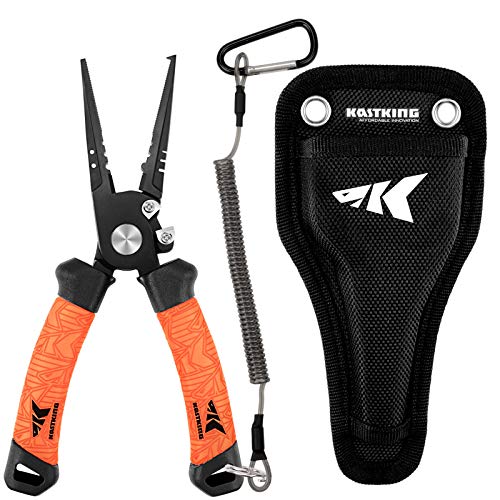
Best Fishing Pliers (2026): Braid Destroys Ordinary Cutters
Braided line is woven from the same fibre used in body armour, and it does not cut so much as fray under a normal blade. A pair of pliers that handles mono perfectly well will chew braid into a fuzzy mess, and the fix is a specific material rather than a sharper edge.

Best Tackle Box for Beginners (2026): 3 Real Picks
A tackle box is where all your lures, hooks, and terminal tackle live, and how you store it shapes how easily you fish. The real question isn't which box is 'best' but how much tackle you carry and how you get to the water: a simple tray box is perfect if you fish from one spot, a backpack is better if you hike or bank-hop, and a modular system is the answer once your collection grows. The key thing to understand is the standard that runs through all of them, the 3700 utility box, which lets you scale storage without starting over. Here are three good options across the range, plus how to choose.