Best Rolling Pin (2026): French, Classic or Adjustable
Rolling pins divide into three shapes and people are oddly loyal to whichever they learned on. The differences are real but small: what changes most is how much you can feel the dough through the pin, and whether you get an even thickness without measuring. Any of them will roll pastry. One of them will roll it to a consistent 4mm without you thinking about it.
HobbyStack may earn a commission from links on this page at no extra cost to you. Our picks are chosen on merit; the commission helps fund the research.
- A French pin (one solid tapered rod, no handles) gives the most feel and the most control. It is what most bakers end up using.
- A classic pin with handles and bearings is easier if you have limited wrist strength, and more familiar to most people.
- An adjustable pin with removable rings gives you an even thickness without judging it by eye — genuinely useful for pastry and biscuits.
- Wood over marble. Marble looks lovely, is heavy, and chills dough you often want warm.
- Never soak a wooden pin. Wipe it, dry it, and it will last decades.
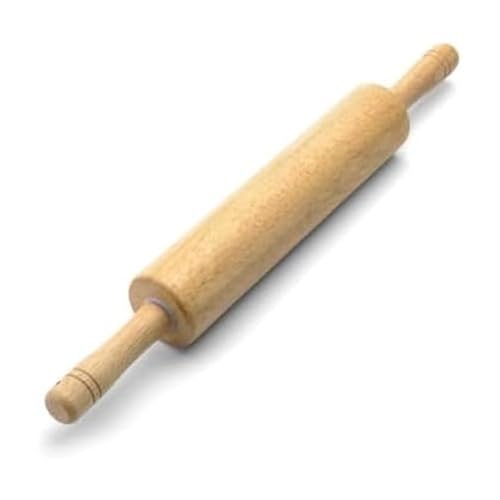 Farberware Classic WoodFamiliar and cheap$13Check price
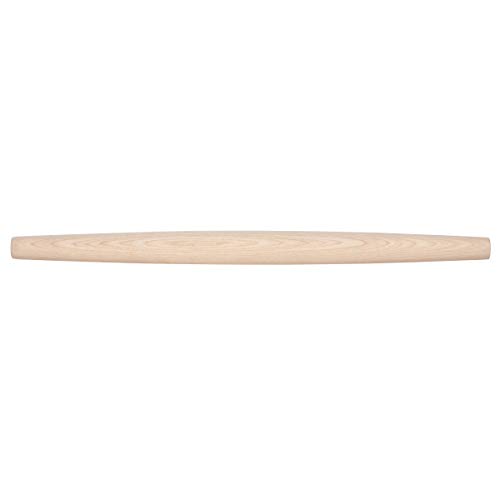 Our pickJ.K. Adams French TaperedMost bakers$29Check price
 Joseph Joseph AdjustableEven thickness$99Check price
The three shapes
A classic pin is a barrel on an axle with handles at each end. You push the handles and the barrel rolls. It is what most people picture, and the bearings mean less wrist effort.
A French pin is a single tapered rod with no handles and no moving parts. You roll it with your palms directly on the wood, which means you feel the dough — thick spots, air pockets, where it is sticking — and the taper lets you pivot to steer the shape rather than only rolling forwards and back.
A straight dowel pin is the same idea without the taper. Slightly less manoeuvrable, otherwise identical in feel.
Most people who bake a lot end up on a French pin, because feel matters more than leverage once you know what you are doing.
Even thickness is the actual skill
The thing beginners get wrong is not force, it is consistency. Pastry rolled thicker at one end bakes unevenly: the thin part is done and the thick part is raw. Biscuits of varying thickness come out of the same tray at different degrees of brown.
Three ways to fix it. Rotate the dough a quarter turn between passes rather than only rolling one direction. Roll from the centre outwards instead of end to end. Or take the judgement out entirely with thickness rings, which physically stop the pin at a set height.
That last one is why the adjustable pin exists, and it is the one genuinely beginner-friendly feature in this whole category.
 Familiar and cheap
FARBERWARE Classic Wood Rolling Pin
The pin most people already picture: hardwood barrel, handles at each end, bearings so it spins freely. It costs very little and it does the job. The handles give leverage, which helps with stiff doughs and with anyone whose wrists complain, and the shape is immediately intuitive if you have used one before. What you give up is feel: with your hands on the handles rather than the dough you cannot sense a thick patch or an air pocket, so you rely on looking. Also check the bearings occasionally — cheap handled pins are the kind of tool whose axle eventually gets sticky, at which point it is fighting you.
What's good
- Very cheap
- Handles give leverage for stiff dough
- Familiar shape
- Bearings mean less wrist effort
What's not
- No feel for the dough through the handles
- Bearings can stiffen over time
- Harder to steer than a tapered pin
- Fixed barrel width limits large sheets
 Best for most bakers
J.K. Adams Maple French Rolling Pin
A single tapered rod of maple with no handles, no bearings and nothing to wear out — the pin most serious home bakers settle on. Your palms sit directly on the wood, so you feel the dough as you work it and can find a thick spot without looking. The taper is the clever part: leaning on one end pivots the pin, so you steer the shape of your pastry rather than only pushing it forwards and back. It takes maybe two sessions to stop missing the handles. Maple is dense and close-grained, which means it takes a smooth finish and does not absorb much. Wipe it, never soak it, and it will outlive the kitchen.
What's good
- Direct feel for the dough
- Taper lets you steer the shape
- Nothing to wear out or seize
- Dense maple, easy to keep clean
What's not
- No leverage from handles
- Short adjustment period if you learned on a classic pin
- Needs wiping not washing
- Less helpful for very stiff doughs
 Best for even thickness
Joseph Joseph Adjustable Rolling Pin
Removable rings clip onto each end and hold the pin a set distance off the bench, so the dough physically cannot go thinner than the ring you fitted. It takes the one genuinely difficult part of rolling — judging an even thickness by eye — and removes it. For pastry, biscuits and anything you want uniform, that is a real advantage rather than a gimmick, and it is the most beginner-friendly pin here despite being the most expensive. Take the rings off and it is an ordinary straight pin. The costs are the price, which is high for a rolling pin, and the rings themselves, which are small parts to lose.
What's good
- Guarantees an even thickness
- Several thicknesses in one tool
- Works as a plain pin with rings removed
- The most genuinely useful feature in the category
What's not
- Expensive for a rolling pin
- Rings are easy to misplace
- No taper, so less steering
- Plastic construction feels less nice than wood
You can get the adjustable pin's main benefit for nothing. Lay two strips of wood or two rulers of equal thickness either side of your dough and rest the pin on them as you roll. The dough cannot go thinner than the strips. It is fiddlier than rings, it costs nothing, and it works with whatever pin you already own.
Looking after a wooden pin
Wood and standing water do not get along. Never soak a wooden pin and never put one in the dishwasher: the grain swells, then dries unevenly, and the surface goes rough and starts grabbing at pastry.
Scrape off dough with a bench scraper, wipe with a barely damp cloth, dry it straight away, and stand it up rather than leaving it flat in a puddle. If the surface ever feels rough, a light sand with fine paper and a wipe of food-safe mineral oil brings it back.
Before you buy
Try a French pin if you have only used handled ones. Most people prefer it within a week.
Rotate the dough a quarter turn between passes — that does more for evenness than the pin does.
Choose wood over marble unless you specifically want cold dough.
Adjustable rings genuinely help beginners; two rulers do the same job free.
Never soak or dishwash a wooden pin.
Rolling pin questions
French or classic rolling pin — which is better for a beginner?
How do I stop pastry sticking to the rolling pin?
Is a marble rolling pin worth it?
How do I get an even thickness?
Buy the J.K. Adams French tapered pin if you are buying one — the feel and the steering are worth the short adjustment, and there is nothing on it to wear out. Take the Farberware classic if you want handles and leverage for very little money. The Joseph Joseph adjustable is the one to get if uneven pastry is the thing frustrating you, though two rulers either side of the dough does the same job for free. Whatever you buy in wood, wipe it rather than washing it.
Ready to actually do it?
The first baking quest takes an evening, and it tells you whether the gear was worth it better than any review can.
Start BakingThe HobbyStack editorial team researches each guide against manufacturer specifications, published resources and practitioner sources. Every product is checked for availability and described against its current listing before publication, and prices are re-checked when guides are updated.
About our editorial process →More gear guides
All guides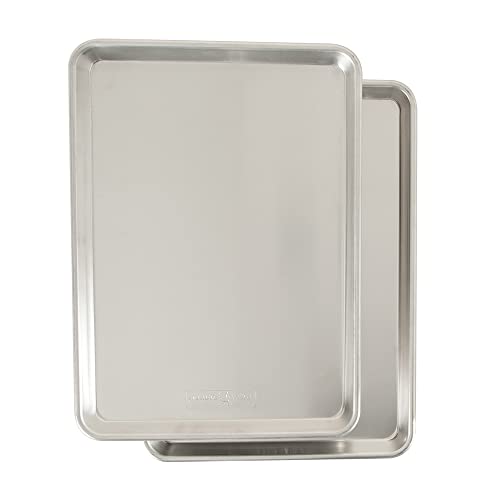
Best Baking Sheet for Beginners (2026): Why Half-Sheet Aluminium Wins
A baking sheet is the most-used pan in most kitchens and the one people spend least time choosing. The cheap ones warp with a bang the first time they hit a hot oven, and a warped sheet cooks unevenly forever after. The fix is not expensive: a heavy half sheet in bare aluminium with a rolled rim, which is what professional kitchens have used for decades.

Best Beginner Stand Mixer 2026: KitchenAid Artisan vs Classic vs Pro 600
Stand mixers are a one-time purchase that lasts decades. Pick the right KitchenAid (it's almost always going to be a KitchenAid) and you'll never need to think about it again. Pick wrong and you'll end up reselling and rebuying within 5 years.

Best Kitchen Scale for Baking 2026: Escali vs Ozeri vs OXO
A kitchen scale is the single most important tool in baking: weight is exact where measuring cups aren't, and switching to grams is the fastest way to make your recipes finally come out the same every time. The good news: accuracy is basically a solved problem, so the real choice isn't which scale weighs best (they're all spot-on) but which features you want. Here's the honest breakdown.
Best Mixing Bowls for Baking (2026): Stainless, Glass or Plastic
Mixing bowls are the piece of kit people own by accident — whatever came with the house, in whatever sizes. It mostly does not matter, with one real exception: plastic bowls will stop egg whites whipping, and almost nobody is told why. Beyond that it is about weight, nesting, and owning three rather than one.
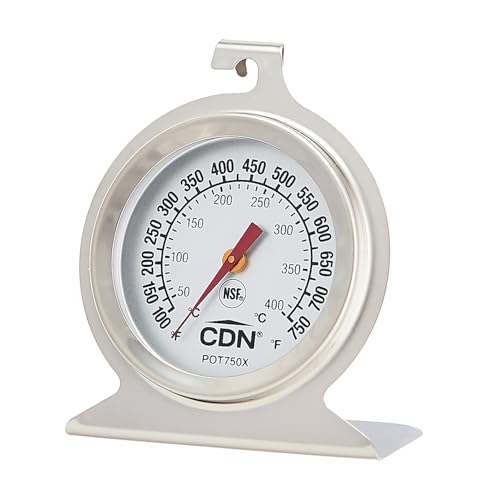
Best Oven Thermometer (2026): Your Oven Is Probably Lying to You
Set a home oven to 350°F and there is a good chance it is sitting anywhere between 315 and 390. The dial is a request, not a measurement, and the difference is the reason a recipe that works for everyone else comes out pale and raw in the middle at your house.

Best Round Cake Pans (2026): Why Anodised Aluminium Wins
Layer cakes are where most people find out their pans matter. A dark pan browns the edges before the middle is set; a thin one buckles; a single pan means baking layers one after another, which gives you two cakes that are not quite the same. None of this is expensive to fix, and the pan you want is not the one with the cleverest coating.