Best Stereo Microscope for Entomology (2026): 3 Real Picks for Studying Insects
The moment you want to identify an insect, you need a stereo microscope, and it is worth being clear that this is the right type. A stereo (or dissecting) microscope gives a low-power, upright, 3D view of a whole specimen on the stage, which is how you examine a pinned beetle or a fly's wing. It is a different tool from the compound microscope from biology class, which magnifies far more but only sees thin slides. For entomology you want roughly 10X to 45X, good working distance, and enough light. Here are three good ones across the range.
HobbyStack may earn a commission from links on this page at no extra cost to you. Our picks are chosen on merit; the commission helps fund the research.
- Get a stereo microscope, not a compound one. Stereo scopes give a low-power 3D view of a whole insect; compound scopes only magnify thin slides.
- 10X to 45X is the entomology range: enough to see setae, punctures, and antennal segments for ID.
- Zoom beats fixed power once you're serious. It lets you find the insect wide, then zoom into a detail.
- Working distance and light matter more than max magnification. You need room for pins and tweezers, and a good LED.
 AmScope SE306R-PZ Fixed-Power Stereo MicroscopeA real first stereo scope without overspending$222Check price
 Our pickAmScope SM-1BSZ-144S Zoom Stereo Microscope (with LED Ring Light)Real identification work you'll keep doing$532Check price
 AmScope SM-4TZ-144A Trinocular Zoom Stereo MicroscopePhotographing and documenting specimens$812Check price
The most important choice is stereo versus compound, and for insects it is not close. A compound microscope, the tall one with a slide clip and 400X-plus power, shines light up through a thin, near-transparent sample. That is perfect for pond water or a stained cell, and wrong for a beetle, which is solid and opaque. A stereo microscope instead lights the specimen from above and gives two slightly different angles, one per eye, so you see a true 3D, right-way-up image of the whole insect on the stage. That depth is what lets you push a pin, lift a wing, or rotate a specimen and understand its shape. For entomology the useful magnification is low, roughly 10X to 45X, because that lets you see the diagnostic details while keeping enough field and working distance to get tools underneath.
After stereo-versus-compound, the choices that matter are zoom versus fixed power, and light. Cheaper scopes give a few fixed magnifications you step between; that is fine to start and keeps the price down. A zoom scope moves smoothly through its range, so you frame the whole insect and then zoom straight into the puncture pattern you are trying to see, which is genuinely better for ID and the main reason to spend more. Light is the thing beginners underrate: you want bright, even illumination from above, and a scope with a built-in top light or an included LED ring saves buying and positioning a separate lamp. Everything else, trinocular ports and fancy stands, is a want, not a need, until you specifically want to photograph specimens.
 Best budget start
AmScope SE306R-PZ Fixed-Power Stereo Microscope
The honest entry point: a real binocular stereo microscope, not a toy. The AmScope SE306R-PZ gives fixed magnifications from 10X up to 80X, which covers a lot of everyday entomology: examining a pinned specimen, checking wing venation, seeing the setae and punctures that separate similar species. It has both top and bottom LED lights, so you are not buying a separate lamp, and the wide field and long working distance make it easy to get tweezers and a pin under the lens. What you give up versus a zoom scope is the smooth range: you jump between set steps rather than easing from a whole-body view into a detail. For a beginner who mostly wants to look and identify, that is a fair trade, and it leaves budget for pins and storage.
What's good
- A genuine stereo scope, not a toy, without overspending
- Top and bottom LED lights included, no separate lamp
- Wide field and long working distance for tools and pins
- Stable metal frame that will not wobble at focus
What's not
- Fixed magnification steps only, no smooth zoom
- No camera port for photographing specimens
 Best for most people
AmScope SM-1BSZ-144S Zoom Stereo Microscope
The scope most serious beginners should buy, because the zoom is exactly what ID work needs. The SM-1BSZ moves smoothly through 7X to 45X, and this bundle adds 0.5X and 2X lenses that extend it to a full 3.5X to 90X, so you frame a whole insect and then zoom straight in on the antennal segments or genitalia that decide a species, without swapping objectives. This version also ships with a 144-LED ring light, which matters more than beginners expect: even, shadow-free light on a shiny insect reveals detail that extra magnification cannot. It sits on a large working distance stand with adjustable eyepieces, and it is a well-known workhorse, so accessories are easy to find. It costs more than the fixed-power scope, but this is the microscope you grow into rather than out of.
What's good
- Smooth 7X-45X zoom, ideal for framing then detailing
- Includes 0.5X and 2X lenses for a full 3.5X-90X range
- 144-LED ring light included for even, shadow-free light
- Long working distance and a popular, well-supported platform
What's not
- Costs noticeably more than a fixed-power scope
- More instrument than a casual looker needs
 Best for camera work
AmScope SM-4TZ-144A Trinocular Zoom Stereo Microscope
The step up for the entomologist who wants to photograph specimens, not just look at them. The SM-4TZ has the same useful 7X to 45X zoom as the recommended scope (extendable to 3.5X to 90X with lenses), so it is just as good for looking, but it adds a trinocular head: a third vertical port for a microscope camera. That is the whole reason to buy it. Documenting finds, sharing an image so someone can confirm an ID, or building a photographic reference all get much easier than holding a phone to an eyepiece. It ships with a 144-LED ring light on a large stand. The catch: it is the most expensive here, the camera is usually a separate purchase, and if you never intend to image specimens you are paying for a port you will not use.
What's good
- Trinocular port for a proper microscope camera
- Same useful 7X-45X zoom (3.5X-90X with lenses)
- Large stand and 144-LED ring light included
- Buy-once if you know you'll photograph specimens
What's not
- Most expensive option, and the camera costs extra
- Wasted port and money if you never image specimens
If a listing shows a tall scope with a slide clip and 400X, 1000X, or 2000X magnification, that is a compound microscope, the wrong tool for whole insects. You want a stereo or dissecting microscope in the 10X to 45X range that lights the specimen from above. Very high magnification almost always means compound; low power with a big working distance means stereo.
Before you buy
Buy for working distance, not just magnification. You need room under the lens to move a pinned specimen with tweezers.
Prioritise a ring light. Even, top-down light reveals more than extra power; the zoom and trinocular picks include one.
Skip the trinocular port unless you'll use a camera. It adds cost for a feature you only need to photograph specimens.
Watch for 'stereo' in the title. If a cheap scope quotes 1000X, it is a compound scope and the wrong tool for insects.
Common questions
Do I need a stereo or compound microscope for insects?
What magnification do I need for entomology?
Is a zoom microscope worth it over fixed power?
Do I need a trinocular microscope to photograph insects?
For most people getting serious about identifying insects, the AmScope SM-1BSZ zoom is the scope to buy: the smooth 7X-45X range is exactly what ID work needs, and it comes with the aux lenses and a ring light. Start with the fixed-power SE306R-PZ to test the waters, or choose the trinocular SM-4TZ only if you want to photograph specimens. Whatever you pick, make sure it is a stereo scope in the 10X-45X range.
Ready to actually do it?
The first entomology quest takes an evening, and it tells you whether the gear was worth it better than any review can.
Start EntomologyThe HobbyStack editorial team researches each guide against manufacturer specifications, published resources and practitioner sources. Every product is checked for availability and described against its current listing before publication, and prices are re-checked when guides are updated.
About our editorial process →More gear guides
All guides
Best Mushroom Grow Kit for Beginners (2026): Spray-and-Grow to Monotub
A mushroom grow kit is the easiest way into growing your own: the simplest ones are a block you open, mist daily, and harvest gourmet mushrooms from in a couple of weeks, with nothing to sterilize and no experience needed. Here are three good ones, from a foolproof spray-and-grow box to a full monotub setup you inoculate yourself.

Best Handheld Anemometer (2026): Where You Stand Changes the Reading
Wind speed is quoted at ten metres above open ground, because that is the standard. Standing in a garden holding a meter at chest height behind a fence, you will read a fraction of the real figure, and no instrument fixes that. Where and how you measure matters more than what you measure with.
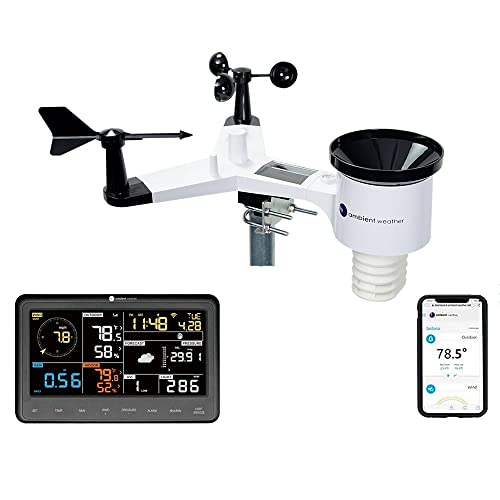
Best Home Weather Station (2026): 3 Picks from Starter to Pro
A home weather station puts a sensor outside that measures your own backyard's temperature, humidity, wind, and rain, and sends it to a display, and often a phone app, indoors. The big decision is how much accuracy you want and whether you want it connected to WiFi. All three here are complete all-in-one stations, from an easy, affordable starter to a professional-grade unit that serious weather watchers keep for years.

Best Archaeology Trowel (2026): One Piece of Forged Steel, Four Inches Long
An archaeology trowel is a pointing trowel from a bricklayer, borrowed wholesale, and the profession is unusually specific about it. Four to five inches, one piece of forged high-carbon steel from tip to tang, and a blade that will be worn down to a stub over a career. Welded trowels snap at the neck, and everyone has seen it happen.

Best Pottery Tool Set (2026): Six of the Twelve Do Nearly Everything
Open a twelve-piece pottery set and six tools will do nearly all your work: the wire cutter, a wooden rib, a metal rib, a loop trimming tool, a sponge and a needle tool. The rest get picked up once, found to duplicate something, and left in the canister for years.

Long Blade Freediving Fins (2026): Stiffness Is Matched to Your Legs, Not Your Ambition
Long blades are not about speed. A long blade moves a large volume of water per kick, so you cover distance at a slow, unhurried cadence instead of a fast one, and on a breath-hold the thing you are conserving is oxygen. A stiff blade you cannot load properly burns more of it than a soft blade you can.