Category
Food hobbies
Dough, fire, jars, bottles and glasses. Things you make and then eat or drink.
14 hobbies · from ~$52, most under $250 · 525 people here
Start here
Cheapest and quickest to a first finished thing.
All food hobbies
14 hobbies · sorted by best match
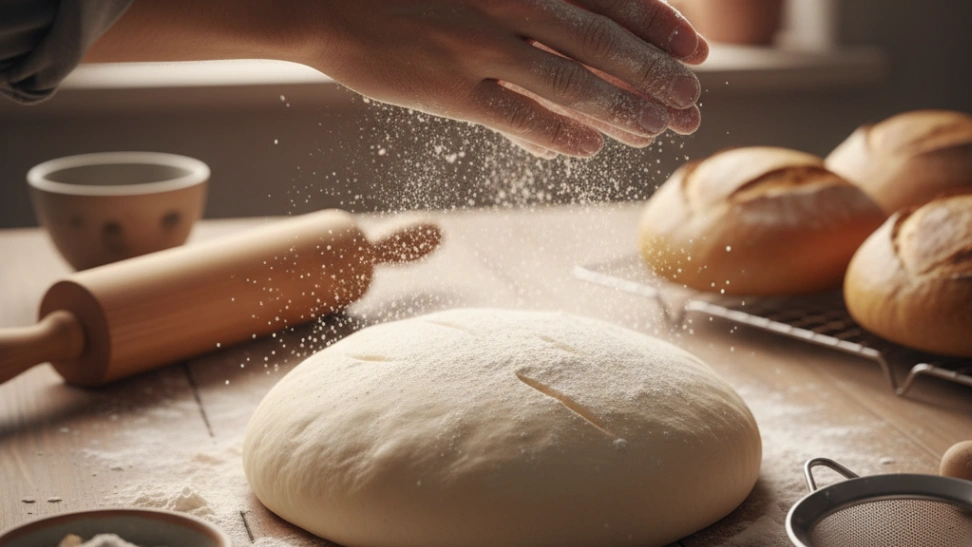 BakingTurn flour, butter, and heat into bread, pastry, and the smell of a good day.~$120 · A few hours
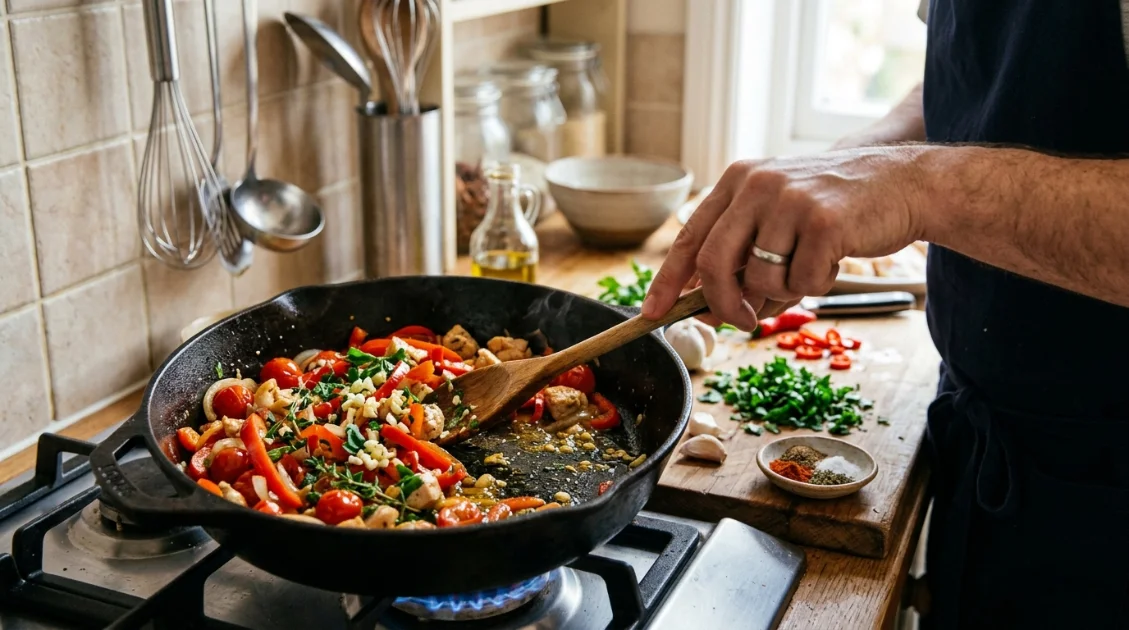
- CookingTurn raw ingredients into dinner with heat, timing, and taste.~$70 · ~1 hour
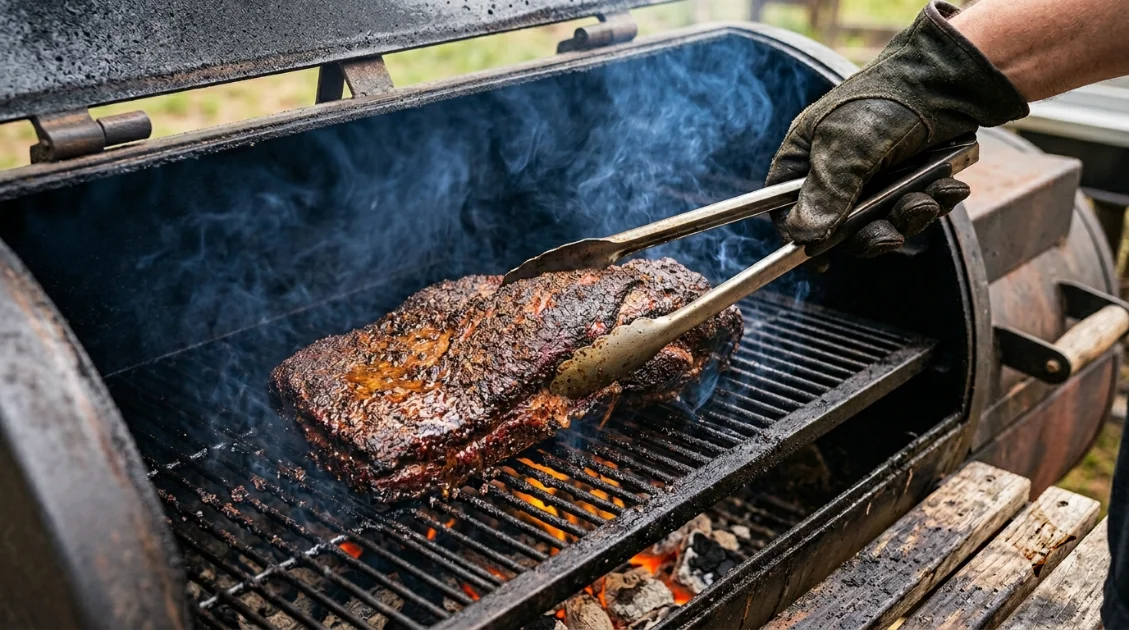 BBQ & SmokingMaster fire, smoke, and time to turn cheap cuts into the best meal on the table.~$294 · A whole day
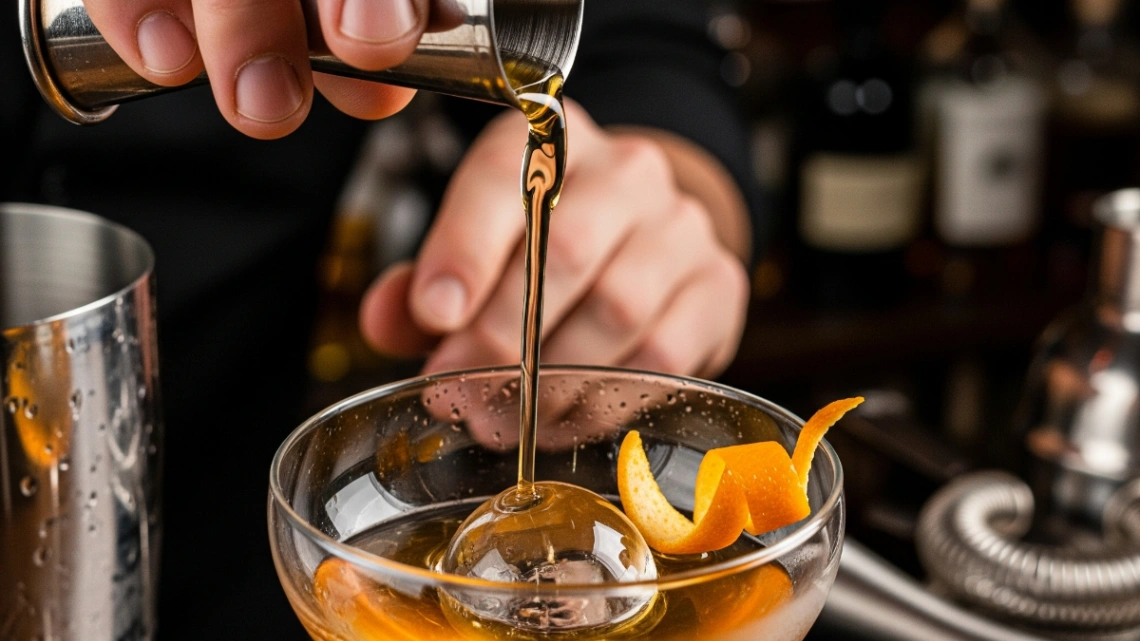
- MixologyBalance spirit, sugar, and citrus into a cocktail worth lingering over.~$83 · ~10 min
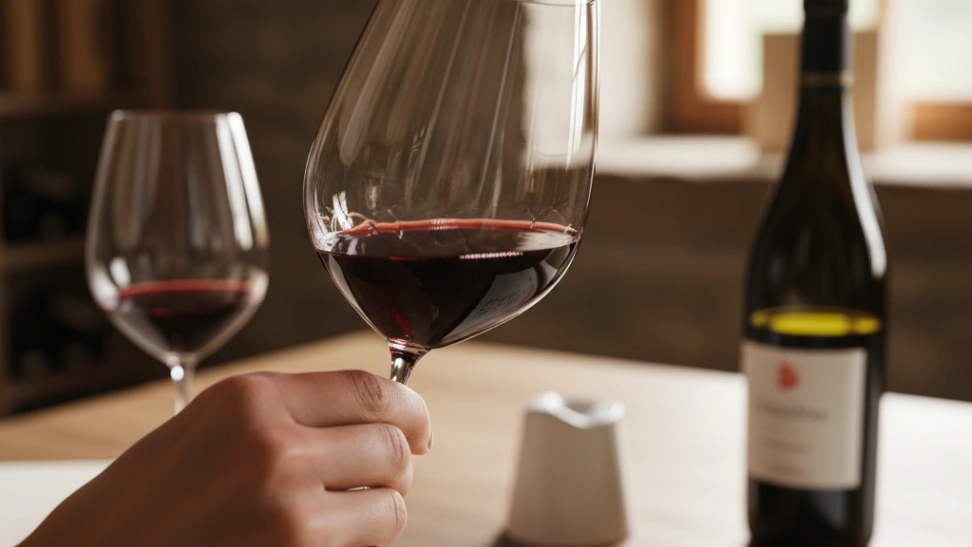 Wine TastingTrain your palate to taste what's actually in the glass.~$74 · ~1 hour
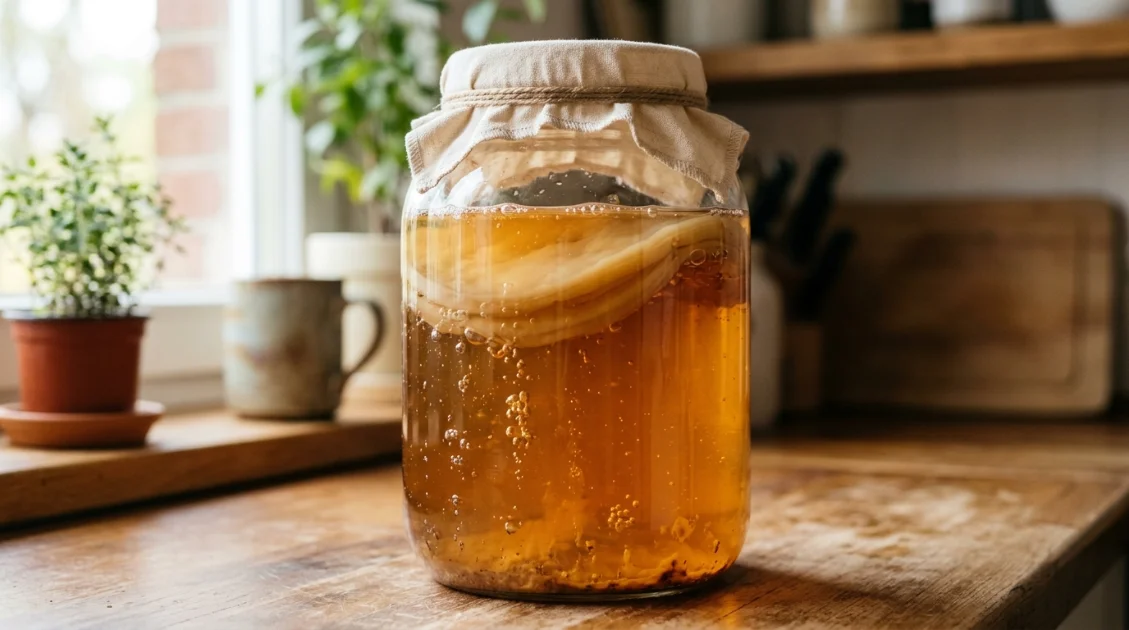 Brewing KombuchaFerment sweet tea into a tangy, fizzy drink on your kitchen counter.~$98 · ~10 min
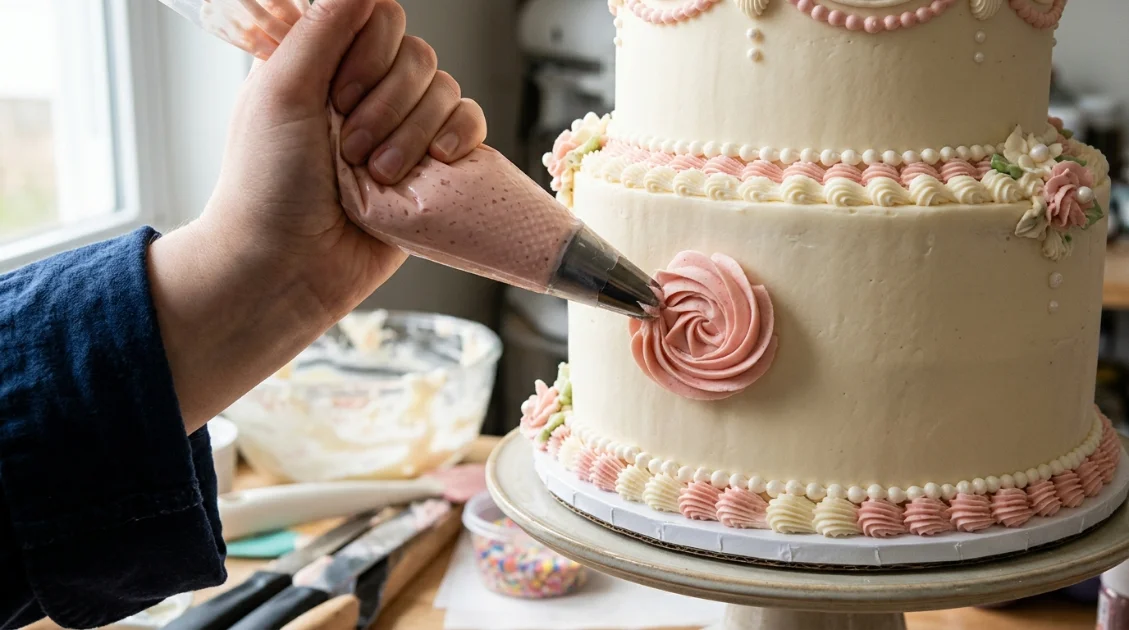
- Cake DecoratingPipe, smooth, and sculpt plain cakes into edible art.~$91 · A few hours
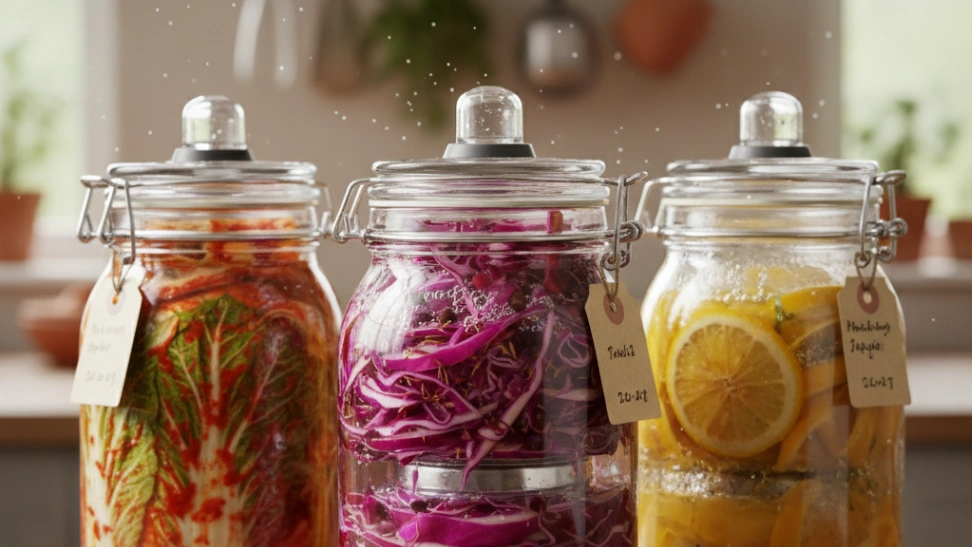 FermentationLet microbes turn ordinary food into something sour, fizzy, and alive.~$52 · ~10 min
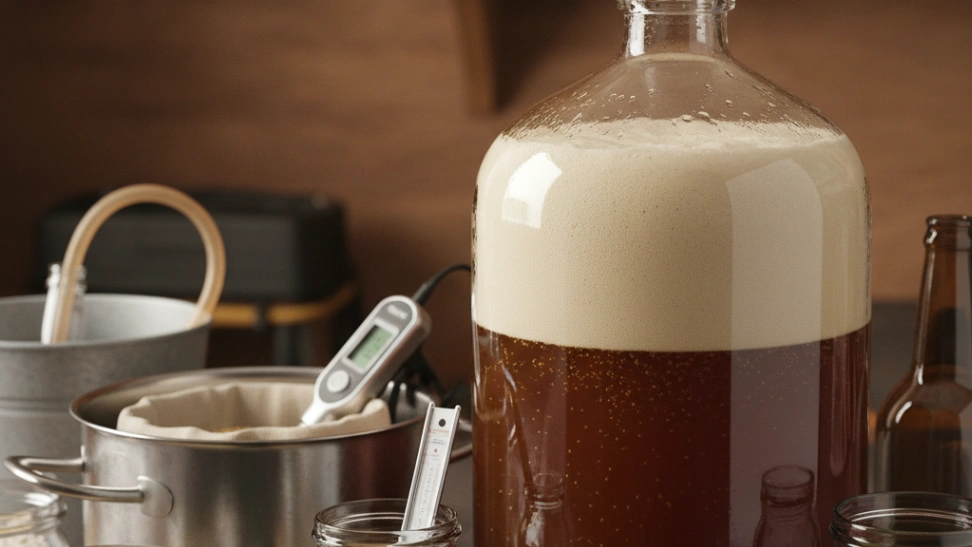 HomebrewingBrew your own beer or cider and pour a pint you made.~$337 · A few hours
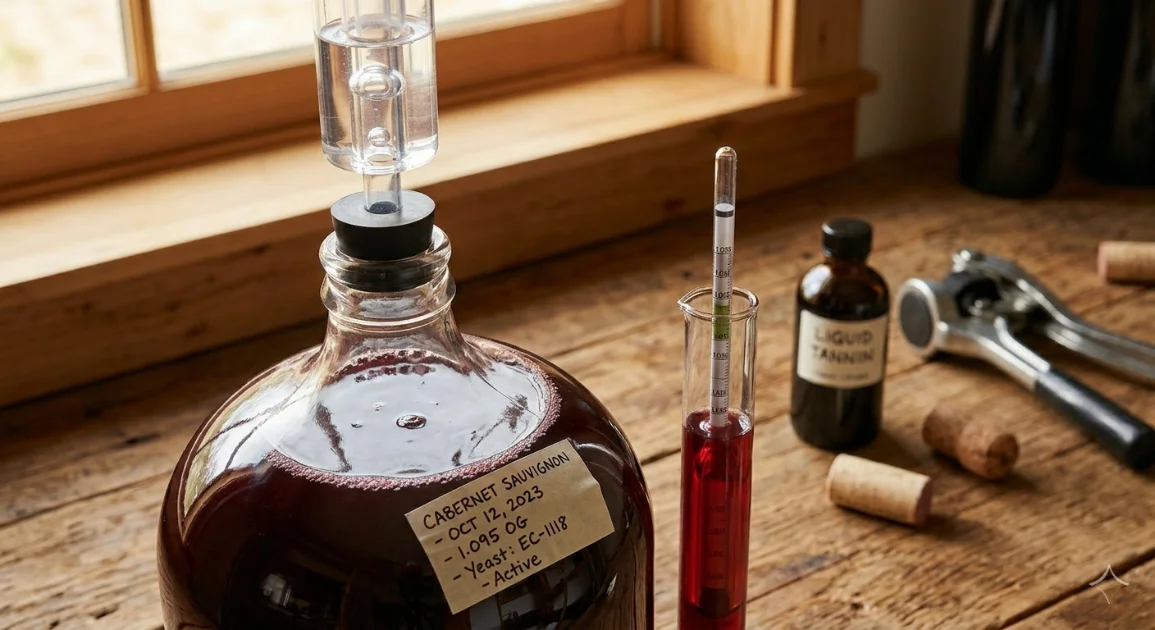 WinemakingFerment fruit into wine through patience and a little science.~$207 · A few hours
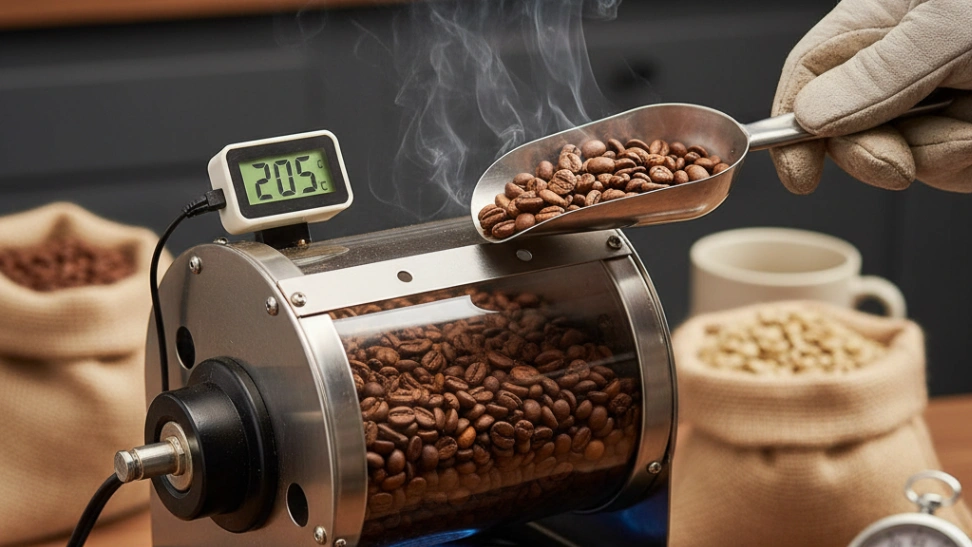 Coffee RoastingRoast green beans to the exact edge of sweet, nutty, and bright.~$106 · ~1 hour
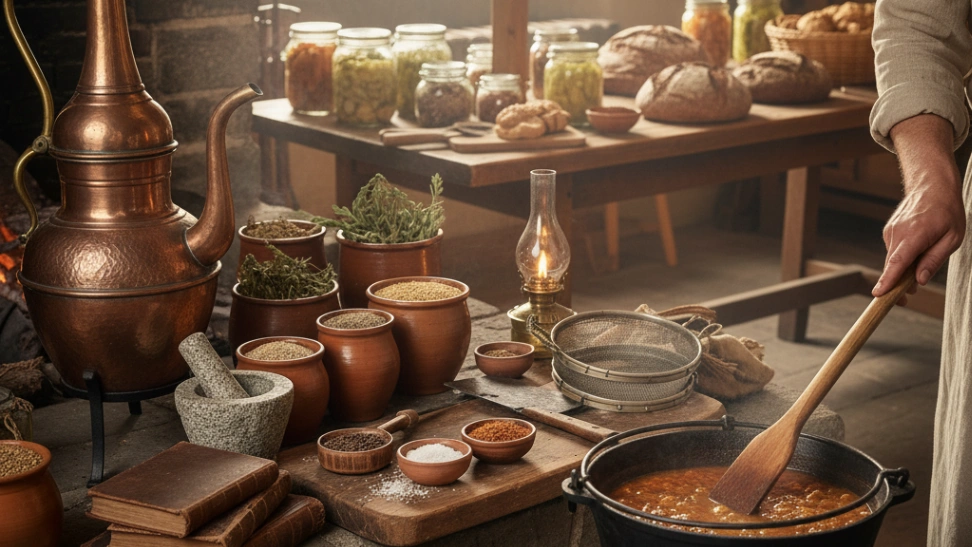 Historical CookingCook from centuries-old recipes the way they were actually made.~$186 · A few hours
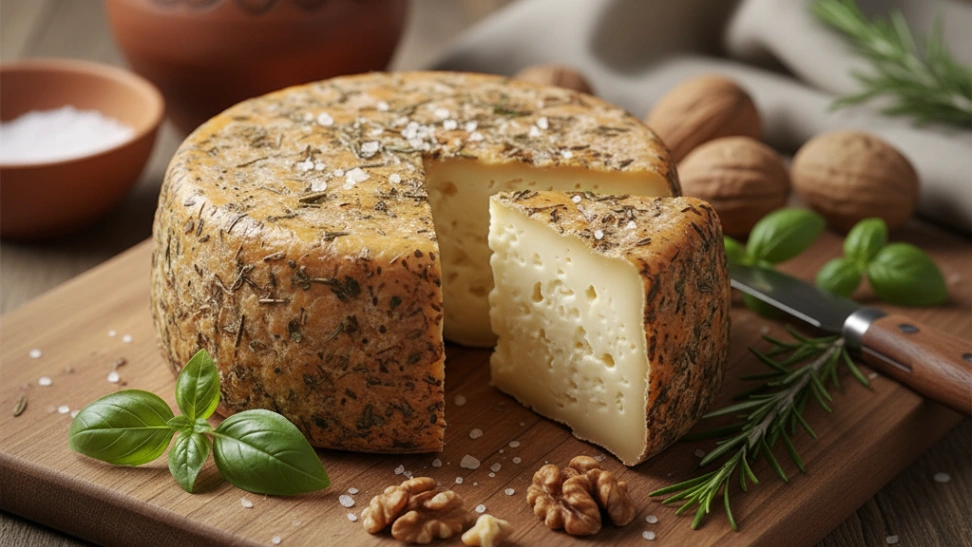 Home Cheese MakingTurn a pot of milk into fresh cheese in your own kitchen.~$79 · A few hours
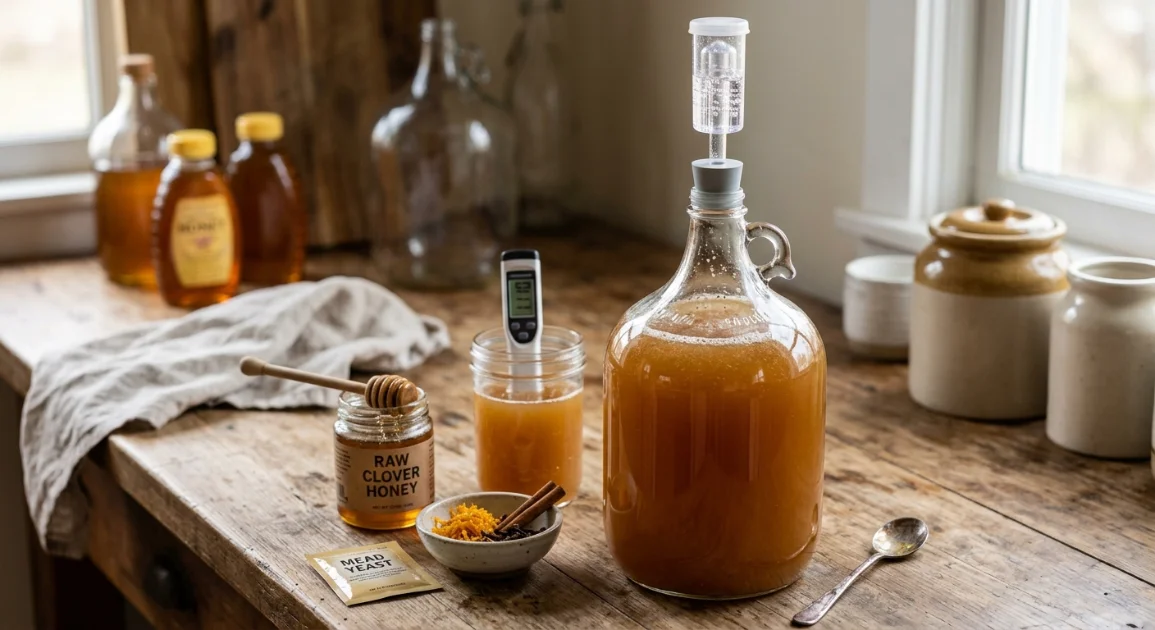 Mead MakingFerment honey into wine, from a quick session mead to a batch worth aging.~$110 · ~1 hour
Not quite it?
A–Z
Every food hobby, alphabetically
About food hobbies
Food hobbies by subject
The tabs above the list group the 14 food hobbies here by what you work with. Jars (3): Brewing Kombucha, Fermentation and Home Cheese Making. Bottles (3): Homebrewing, Mead Making and Winemaking. Dough (2): Baking and Cake Decorating. Pans (2): Cooking and Historical Cooking. Glasses (2): Mixology and Wine Tasting. A hobby can sit under two of them, and the ones that fit none of these appear under All.
What food hobbies cost to start
Money is the thing that stops most people before they begin, so here is the actual spread. The cheapest of the 14 food hobbies here starts at about $52. The typical starter cost across the category is $106, and the most expensive one to get into is Homebrewing, at roughly $337.
Those are starting figures, not the cost of getting good at something. Each one is the smallest kit that lets you do the thing properly once, which is the only number worth knowing while you are still deciding whether to try it at all. Every card above shows its own, and the browse view sorts the whole list by cost if that is what settles this for you.
What food hobbies ask of you
Not all food hobbies want the same thing from you. 8 are steep enough that the first month is mostly learning to handle the tools. All of them are gentle on the body.
13 are mostly indoor food hobbies and 1 mostly outdoor, so the weather need not be the thing that decides it. 11 can be done on your own, and 3 really want other people. That matters more than people expect, because a hobby that needs a group also needs everyone else's calendar. One gives you something to show quickly, and 12 are slow burns that pay off over months rather than evenings.
Where to start with food hobbies
If this is your first one, pick something cheap and forgiving rather than the one that looks most impressive. The most popular here is Baking, which is a fair default for an unglamorous reason: popular hobbies have more tutorials, cheaper second-hand gear and more people around to ask when you get stuck.
The mistake worth avoiding is buying the whole kit before the first session. Every hobby page here lists its gear in order of how central each piece is to the hobby, so you can buy the one defining item and leave the rest until you know you are staying. And if you would rather be asked than browse, the quiz ranks all of them against your budget, your free time and how you actually like spending a weekend.
How to choose a food hobby
Choose by what you want to eat or drink at the end, and by how long you are willing to wait for it. Some of these give you a result the same evening, some need a week in a jar and some need a season. The patient ones are no harder, they are just slower, and the trick is to have a quick one running alongside so there is always something to taste.
Common questions about food hobbies
- What are food hobbies?
- Culinary arts, fermentation, and tasting. On HobbyStack that covers Baking, Cooking, BBQ & Smoking and Mixology, among 14 of them.
- How many food hobbies are there?
- 14 on HobbyStack right now, each with a starter-cost estimate, a learning-curve rating and a first project to try. The list grows as we publish new ones.
- Which food hobbies are cheapest to start?
- The cheapest starter kits here run about $52, the typical one about $106, and the priciest to about $337. Every card on this page shows its own figure.
- How do I pick one?
- Sort this page by what matters to you: cheapest to start, easiest to learn, or most popular. If you would rather be asked, the free quiz at hobbystack.net/finder ranks all of them against your time, budget and how you like to spend a weekend.
- Can I do food hobbies on my own?
- Most of them, yes. Filter this page by Company to see only the ones done alone, or only the ones that want a partner or a group. Each hobby's own page says which it is before you commit to anything.