Best Beginner Skateboards (2026): 3 Complete Picks
A complete skateboard comes fully assembled, with the deck, trucks, wheels, and bearings already put together and ready to ride. For a first board that's what you want. The one decision that actually matters is deck width: for most teens and adults an 7.75" to 8.0" deck is the safe range, and all three picks below sit right in it.
HobbyStack may earn a commission from links on this page at no extra cost to you. Our picks are chosen on merit; the commission helps fund the research.
- Buy a pre-built complete, not loose parts. It's cheaper, it's assembled correctly, and the pieces already match.
- Deck width matters more than brand. Aim for 7.75" to 8.0" for most teens and adults, narrower for smaller feet or younger kids.
- Don't overthink bearings. Any ABEC-5 or ABEC-7 set from a real brand rolls fine. A high number won't make you better.
- A real-brand complete in the $60 to $110 range lasts beginners a long time. You don't need to spend more to learn on.
 Enuff Logo Stain Complete SkateboardA cheap, real-brand first board that isn't a toy$95Check price
 Our pickElement Section Complete SkateboardThe all-rounder most beginners should just buy$80Check price
 Baker Complete SkateboardA beginner who wants a board they won't outgrow fast$109Check price
The big question for a first board is complete versus parts. Building your own from a bare deck, trucks, wheels, bearings, and hardware can cost more than a complete once you add it all up, and you have to press bearings in and match truck width to the deck yourself. A complete skips all of that. It ships assembled, the parts are picked to work together, and you can skate it out of the box. For learning, that's the right call every time.
Deck width is the spec worth caring about. It's measured in inches across the board, and it should roughly match your shoe size and what you're skating. Around 7.75" to 8.0" is the standard all-rounder for teens and adults, good for cruising and for learning tricks. Go a bit narrower (7.5" or under) for younger kids or small feet. Truck width should match the deck, and on a complete it already does, which is one more reason not to build your own first.
Wheels and bearings matter less than people think at the start. Most beginner completes come with 52mm to 54mm wheels around 99A to 100A hardness, which is a fine all-round setup for streets and parks. Bearings are usually ABEC-5 or ABEC-7, and honestly both roll great at this level. The common beginner mistake is chasing a high ABEC number or a famous wheel brand on your first board. Skip that. Learn to push and turn first, then upgrade parts later when you actually feel the difference.
 Best budget pick
Enuff Logo Stain Complete Skateboard
Solid value starter complete: 7-ply maple, medium concave, ABEC-7 bearings.
What's good
- Real 7-ply Canadian maple deck, not a cheap toy board
- Comes fully assembled and pre-gripped
- ABEC-7 bearings and 95A bushings roll and turn fine for learning
- Cheapest way into a legit complete
What's not
- Enuff trucks and wheels aren't pro-grade, you'll likely upgrade later
- Brand is less known in the US than Element or Baker
- Graphics and finish feel entry-level
 Best for most beginners
Element Section Complete Skateboard
The safe default: trusted brand, standard 7.75" width, everything sized right.
What's good
- Established, trusted brand with wide availability
- Standard 7.75" width suits most teens and adults
- Ships assembled with matched trucks, 52mm wheels, and bearings
- Easy to find replacement parts when you upgrade
What's not
- Stock wheels and bearings are basic (ABEC-5 on the standard build)
- Some listings vary in components, so check the exact build
- Costs a bit more than an off-brand complete
 Best premium complete
Baker Complete Skateboard
A real skate-shop complete, assembled and ready to ride. The Baker complete comes factory-built with a genuine 7-ply maple popsicle deck, real trucks, and quality bearings and wheels, so it rolls and pops like a board from a skate shop rather than a toy-store plastic cruiser. Baker is a legit core skate brand, and a proper complete like this holds up to learning ollies and skating the park in a way big-box boards do not. More than the cheapest option, but it is the board you actually progress on.
What's good
- Skate-shop quality deck, trucks, and wheels
- Assembled and ready to ride
- Pops and rolls like a real board, not a toy
- From a core skate brand
What's not
- Pricier than big-box beginner boards
- One deck size, not customizable out of the box
HobbyStack has a full Skateboarding overview with starter costs, the gear you actually need, and an honest take on what it's like to begin.
Before you buy
Check the deck width in the listing and match it to your shoe size.
Buy from a real skate brand, not a generic toy board from a big-box store.
Get a helmet and pads too, especially while you're learning.
Common questions
What size skateboard should a beginner get?
Is it better to buy a complete or build my own?
Do bearings really matter for beginners?
You don't need to overthink your first skateboard. The recommended pick suits most beginners. Go budget to spend less, or premium to grow into.
Ready to actually do it?
The first skateboarding quest takes an evening, and it tells you whether the gear was worth it better than any review can.
Start SkateboardingThe HobbyStack editorial team researches each guide against manufacturer specifications, published resources and practitioner sources. Every product is checked for availability and described against its current listing before publication, and prices are re-checked when guides are updated.
About our editorial process →More gear guides
All guides
Best Beginner Surfboard 2026: Soft-Tops from Wavestorm to Catch Surf
The single biggest mistake new surfers make is buying a short, sleek board because it looks cool. Beginners need a big, stable, forgiving soft-top, volume is what catches waves and gets you standing. Here are three foam boards that get the job done, from the iconic budget Wavestorm to a premium Catch Surf.

Best Surf Wetsuit (2026): The Zip Decides More Than the Price
A wetsuit does not keep water out. It lets a thin layer in, traps it against your skin and lets your body heat it, which is why fit matters more than thickness — a loose suit flushes cold water through and never warms up. The two numbers and the zip position tell you almost everything else.

Best Beginner Bike Helmets (2026): 3 Safe Picks
A helmet is the one piece of cycling gear you should never skip, and the good news is a great one doesn't cost much. The thing to look for is MIPS, a liner that helps with the angled hits that cause most head injuries. All three picks below have it, from a cheap first lid to a lighter, better-vented upgrade.
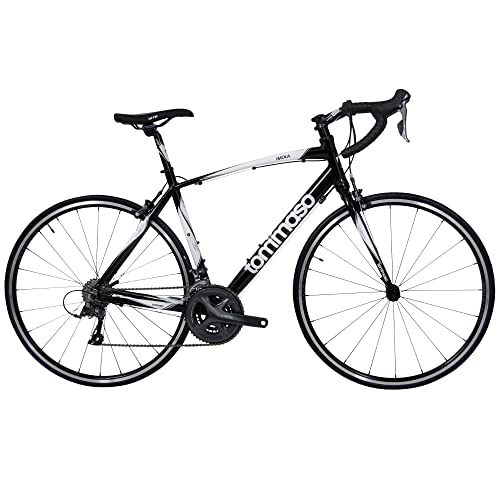
Best Beginner Road Bike (2026): 3 Real Picks You Can Actually Buy Online
A good first road bike is less about the brand on the frame and more about a few basics: a light aluminum frame, a Shimano drivetrain that shifts cleanly, and a fit that suits you. Quality road bikes are surprisingly scarce and pricey on Amazon, so it pays to skip the no-name bargains and stick to real brands. Here are three you can genuinely buy, from an affordable Schwinn to a carbon-fork Tommaso to grow into.
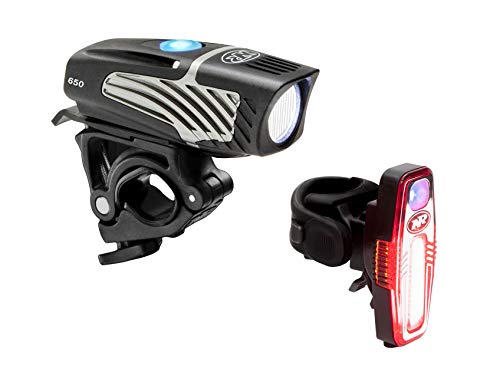
Best Bike Lights for Beginners (2026): 3 Real Picks
Bike lights do two different jobs, and knowing which you need is the whole decision. A 'be seen' light is a bright blinker that makes cars notice you on lit streets; a 'see the road' light throws a real beam so you can ride on dark, unlit roads and trails. Both should be USB rechargeable and easy to move between bikes. Most commuters need be-seen; anyone riding beyond streetlights needs to actually see. Here are three good options across the range, plus how to pick the brightness that matches where you ride.

Best Slackline Kit (2026): Wider Webbing Is Easier, and Trees Need Protecting
Two things decide whether a first session is fun or demoralising. Webbing width, because a 2-inch line is markedly more stable underfoot than a 1-inch one, and height, because a line set at knee height is something you can step off rather than fall from. Neither is about the ratchet everyone compares.