Best Bushcraft Knife (2026): Full Tang, Carbon Steel and What Actually Matters
A bushcraft knife gets asked to do things a kitchen knife never does: split wood, scrape a fire steel, carve a notch, prepare food, and survive being left damp in a sheath. Almost every argument about them comes down to two decisions, and a twenty-pound knife gets both right often enough that spending more is a choice rather than a requirement.
HobbyStack may earn a commission from links on this page at no extra cost to you. Our picks are chosen on merit; the commission helps fund the research.
- The Morakniv Companion is the honest answer for most people. It is very hard to justify spending more.
- Full tang matters if you baton wood. For carving and food it genuinely does not.
- Carbon steel takes a keener edge and rusts. Stainless forgives neglect. Both are fine.
- A square-ground spine strikes a fire steel. A rounded one does not, and you cannot easily add it.
- 4 inches or so of blade does everything. Longer knives look better and work worse.
 Our pickMorakniv CompanionAlmost everyone$20Check price
 Morakniv GarbergBatoning and fire steel$80Check price
 ESEE 4PHard use, buy once$122Check price
Full tang, and when it honestly does not matter
Tang is how far the steel extends into the handle. A full tang runs the whole length and width, so the knife is one piece of metal with scales bolted either side. A partial tang is a narrower spike buried in the handle.
The internet treats this as the dividing line between a real knife and a toy. It is not.
Full tang matters for batoning — striking the back of the blade with a stick to split wood — because that puts serious leverage on the joint between blade and handle. It matters for prying, which you should not be doing anyway.
It does not matter for carving, feathersticks, food prep, cutting cord, or dressing game. Those load the edge, not the joint, and a partial tang handles them for a lifetime. Scandinavian knives have been partial tang for a very long time and the region did not run out of firewood.
So: if you split wood with your knife regularly, buy full tang. If you are not sure, you do not.
Carbon or stainless, and the spine nobody mentions
Carbon steel — 1095 is the common one — takes a keener edge, is easier to sharpen in the field, and is tougher at a given hardness. It also rusts, quickly, and will discolour the first time you cut an apple. Owners either oil it or learn to like the patina, which is itself a protective layer.
Stainless gives up a little edge keenness and a little toughness and asks nothing of you. Left damp in a sheath for a week, it is fine. For most people, most of the time, this is the better trade.
Then the thing nobody puts on the box: the spine. To throw sparks off a ferrocerium rod you need a sharp 90-degree edge on the back of the blade. Many knives ship with the spine rounded or bevelled for comfort, and those will not strike a fire steel no matter how hard you scrape.
The Garberg is explicitly ground square for this. On a rounded spine you can file one yourself, but check before buying if fire-lighting is the point.
 Best for almost everyone
Morakniv Companion Fixed Blade Outdoor Knife
The knife that makes expensive knives hard to argue for. Sandvik 12C27 stainless, 4.1 inches of blade at 2mm thick, and 3.9 ounces with the sheath — light enough that you carry it rather than leaving it in the car, which is most of whether a knife is useful. The Scandinavian grind is the reason it carves so well: a single flat bevel straight to the edge, which bites into wood predictably and is genuinely easy to sharpen because you just lay the bevel flat on a stone. Partial tang, so it is not the knife for splitting logs. The polymer sheath is functional rather than nice. For carving, food, cordage and general camp work, nothing here does the job better.
What's good
- Scandi grind carves beautifully and sharpens easily
- Stainless — forgives being left damp
- Under 4 ounces with the sheath
- Cheap enough to own two and not worry
What's not
- Partial tang, so not for heavy batoning
- Spine is not ground square for a fire steel
- Basic polymer sheath with a friction fit
- Plastic handle is grippy but not an heirloom
 Best for batoning and fire
Morakniv Garberg Stainless Steel Full-Tang Fixed-Blade
The same maker taking the Companion and fixing the two things it cannot do. Full tang, and 3.2mm of blade rather than 2.0mm, so it takes batoning without any question about the handle joint. The spine is deliberately ground square-edged so it strikes a ferrocerium rod, which the Companion will not do — and that is a genuine capability rather than a specification, because it means fire without carrying a separate striker. The handle and sheath are symmetrical, so it works either-handed and the knife can go in from either side, with a click lock so it does not fall out. At 9.6 ounces it is more than twice the Companion's weight, which you notice on a belt all day. Four times the price for two specific abilities.
What's good
- Full tang and 3.2mm thick — batons without worry
- Square-ground spine strikes a fire steel
- Symmetrical handle and sheath, either-handed
- Sheath click-locks so it cannot fall out
What's not
- 9.6 oz — more than twice the Companion
- Four times the price for two abilities
- Thicker blade carves less finely
- Same steel as the cheap one
 Best for hard use
ESEE 4P Survival Knife - Field Tested Fixed Blade Knife
1095 carbon steel with a drop point, full tang, and Micarta scales, which is a specification sheet aimed squarely at people who will hit it with things. Carbon steel takes a keener edge than stainless and comes back faster on a stone in the field, and 1095 is tough rather than brittle, so it tolerates abuse that would chip a harder blade. Micarta is linen set in resin and it grips better wet than dry, which is exactly backwards from most handle materials and exactly what you want. Made in the USA at about 8 ounces. The real cost is maintenance: 1095 rusts if you look at it wrongly, so it needs drying and oiling, and cutting fruit will stain it within minutes.
What's good
- 1095 carbon takes a keener edge and sharpens fast
- Tough rather than brittle — tolerates abuse
- Micarta grips better wet than dry
- Full tang, made in the USA
What's not
- Rusts readily — needs drying and oiling
- Discolours the first time you cut fruit
- Six times the price of the Companion
- Heavier than it looks for the blade length
A ferrocerium rod needs a sharp 90-degree corner on the back of the blade to throw sparks. Plenty of knives ship with the spine rounded or bevelled for comfort, and no amount of scraping will light anything. Run a thumbnail along it: if it catches, you are fine. If it slides, you can file one square yourself, or carry a separate striker.
The Scandi grind, and why bushcraft people care
Grind is the shape of the blade in cross-section, and it decides what a knife is good at more than the steel does.
A Scandi grind is a single flat bevel running from partway up the blade straight down to the edge, with no secondary bevel. It bites into wood at a predictable angle and pushes shavings away cleanly, which is why it carves so well, and it is the easiest grind in the world to sharpen — lay the whole bevel flat on a stone and you are automatically at the right angle, with no guessing and no jig.
A flat or convex grind, which is what the ESEE and most American knives use, is more versatile: better at food, better at general slicing, and stronger at the edge. It needs more care to sharpen because you have to hold an angle.
Neither wins. Scandi if you carve wood and want easy sharpening; flat if the knife does a bit of everything.
Before you buy
Around 4 inches of blade. Longer looks better and works worse.
Full tang only if you actually baton wood.
Check the spine is square if you plan to use a fire steel.
Stainless unless you enjoy maintenance. Carbon is better and needier.
Buy a sharpening stone with it. An unsharpened knife is the real problem.
Bushcraft knife questions
Do I need a full tang bushcraft knife?
Is carbon or stainless steel better for bushcraft?
What is a Scandi grind?
Why will my knife not spark a fire steel?
Buy the Morakniv Companion, and be honest about whether you will ever need more. It carves better than knives costing five times as much, weighs nothing, and forgives neglect. Step up to the Garberg only for two specific reasons: you split wood with your knife, or you want a spine that strikes a fire steel. The ESEE is the buy-once knife for people who will use it hard and are willing to keep carbon steel dry.
Ready to actually do it?
The first bushcraft quest takes an evening, and it tells you whether the gear was worth it better than any review can.
Start BushcraftThe HobbyStack editorial team researches each guide against manufacturer specifications, published resources and practitioner sources. Every product is checked for availability and described against its current listing before publication, and prices are re-checked when guides are updated.
About our editorial process →More gear guides
All guides
Best Ferro Rod (2026): It Works Wet, and That Is the Whole Point
A lighter fails when it is wet, cold, empty or above about ten thousand feet. A ferrocerium rod does none of those things: it throws three-thousand-degree sparks after being dropped in a river, works in the cold, and has no fuel to run out. What it will not do is light a fire without tinder, which is where almost everyone actually fails.

Best Beginner Hiking Backpack 2026: Osprey Daylite vs Talon vs Atmos
The right hiking backpack depends on one number: how long you plan to be out. Day hike → 20–30L. Overnight → 33–45L. Multi-day → 50–65L. Get the volume wrong and you're either cramming gear into too little space or hauling empty weight all day. Here are three Osprey packs, each sized for a different stage of hiking, that will outlast your beginner phase.

Best Beginner Hiking Boots 2026: Merrell Moab 3 vs Salomon X Ultra 4
Your first hiking boots need to do three things: not blister you, stay dry on wet trails, and grip technical terrain. The Merrell Moab 3 Waterproof checks all three for around $130. Here are three real boots: a non-waterproof breathable option, the waterproof all-rounder, and a stiffer upgrade for rocky terrain, each with a confirmed Amazon link.
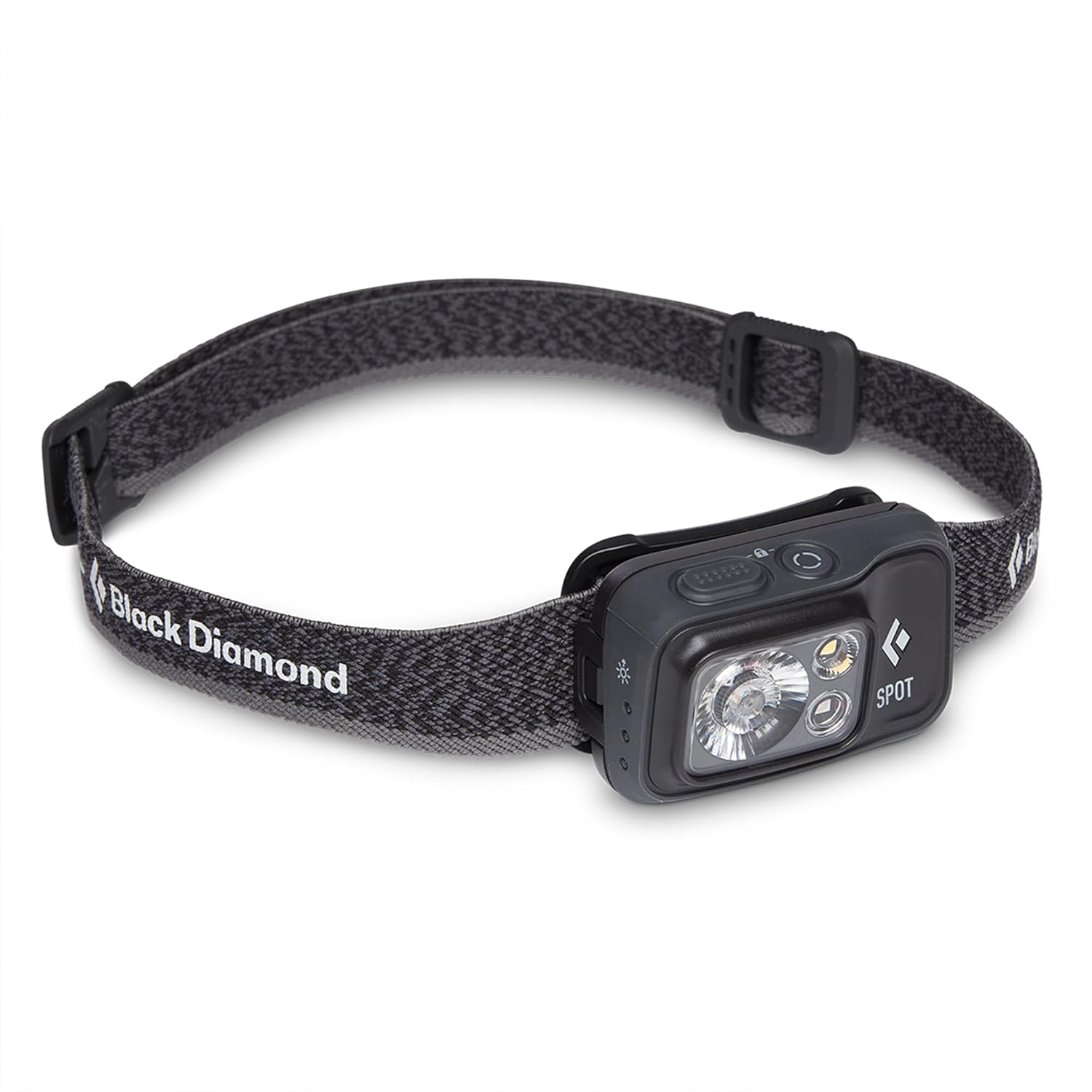
Best Beginner Hiking Headlamp 2026: GearLight vs Black Diamond vs Petzl
A headlamp is not optional: it belongs in your pack on every hike, even day hikes. Trailhead emergencies, slower-than-planned descents, and headlamp-only summit attempts all happen. The question is which one to bring. Here are three picks across the price spectrum: a sub-$25 backup pair, the consensus day-hiking lamp, and Petzl's rechargeable powerhouse for longer days.
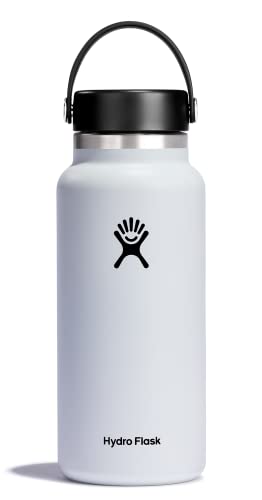
Best Beginner Hiking Water Bottle 2026: Nalgene vs Hydro Flask vs CamelBak
Dehydration is the most common cause of early hike turnarounds and trail emergencies. The solution is simple: carry enough water and actually drink it. Here are three hydration options: the indestructible trail standard, the insulated bottle that keeps drinks cold all day, and the hands-free reservoir system for longer and hotter hikes.

Best Beginner Trekking Poles 2026: Black Diamond Trail vs Distance Z
Trekking poles reduce knee impact by up to 25% on descents and add meaningful stability on uneven terrain. They're not optional once you start hiking with a loaded pack or doing technical descents. Here are three pairs: a no-frills starter, the consensus day-hiking pair, and a folding carbon option for hikers who want minimum weight.