Best Ferro Rod (2026): It Works Wet, and That Is the Whole Point
A lighter fails when it is wet, cold, empty or above about ten thousand feet. A ferrocerium rod does none of those things: it throws three-thousand-degree sparks after being dropped in a river, works in the cold, and has no fuel to run out. What it will not do is light a fire without tinder, which is where almost everyone actually fails.
HobbyStack may earn a commission from links on this page at no extra cost to you. Our picks are chosen on merit; the commission helps fund the research.
- The striker matters more than the rod. A hardened steel edge throws far more spark than a soft one.
- Scrape slowly and firmly. Fast scraping throws sparks everywhere except your tinder.
- Pull the rod back against a fixed striker rather than swiping the striker down at your tinder pile.
- Rod diameter decides spark volume; length decides how long it lasts.
- No ferro rod lights wet wood. Carry tinder that catches from a spark.
 Compact Ceramic Striker RodA backup in every bag$9Check price
 Our pickbayite 4-inch with HSS StrikerMost people$14Check price
 Light My Fire ScoutBuying the original$15Check price
How a ferro rod actually works
Ferrocerium is an alloy — iron, cerium and other rare earth metals — and it is pyrophoric, meaning finely divided particles of it ignite spontaneously in air.
So you are not striking a spark the way flint and steel does. You are shaving tiny fragments off the rod, and those fragments burn as they fly, at around 3,000°C.
Three things follow from that.
The striker needs to be harder than the rod and have a sharp square edge. A hardened tool-steel edge shaves proper curls of material; a soft or rounded edge skids and produces a disappointing fizz. This is why the striker matters more than the rod itself, and why a good knife spine works and a cheap one does not.
Slow and firm beats fast. Pressing hard and moving slowly shaves larger particles that burn longer and land where you aimed. Fast scraping produces a bright, useless shower.
The rod is consumable. Every strike removes material, so a thicker rod lasts longer and throws more spark per strike.
Technique, and the mistake everyone makes
The instinctive method is to hold the rod near the tinder and swipe the striker down it. That works about a third of the time, and the other two thirds you knock your tinder pile across the forest floor.
The reliable method is the opposite. Put the tip of the rod into the tinder, or just above it. Hold the striker still, pressed firmly against the rod at roughly 45 degrees. Then pull the rod back underneath the striker while the striker stays put.
Nothing moves toward the tinder, so nothing gets scattered, and the sparks land where the rod tip already is.
Two more things that decide success. Scrape the coating off a new rod first — most ship with a black protective lacquer that will not spark, and people conclude the rod is faulty. And build the fire before you strike, because a spark catching in tinder gives you seconds, not minutes, and hunting for kindling with a flame already going is how it goes out.
 Best backup
PowKow Ceramic Ferro Rod Striker
A compact ferro rod and striker sized for a pocket, a keyring or the lid of a first aid kit, and its case is redundancy rather than performance. Fire-lighting is one of the things where having a second method in a different pocket is worth more than having a better first one — a rod left in the pack you put down is no use at all. It throws a serviceable spark and it costs less than a fast-food meal, so there is no reason not to have one in every bag. Being small it needs more strikes to build a decent shower, the smaller diameter means less material per scrape, and it will wear out sooner than a full-sized rod. Buy two.
What's good
- Small enough for a keyring or first aid kit
- Cheap enough to keep one in every bag
- Works wet, cold and at altitude like any ferro rod
- Striker included
What's not
- Smaller diameter throws less spark per strike
- Wears out faster than a full-size rod
- Generic manufacture, so quality varies
- Fiddly in cold hands or gloves
 Best for most people
bayite 4" Survival Ferro Rod Drilled Flint Fire Starter
Four inches of rod at three-eighths of an inch diameter, which is the sweet spot: thick enough to throw a genuine shower of sparks per scrape and long enough to last years of regular use, without being a brick in a pocket. The striker is where it earns the pick — tool-grade HSS steel with six striking edges, so when one dulls you rotate to a fresh one, and it works the same left- or right-handed. Five feet of paracord attaches the striker permanently to the rod, which solves the actual failure mode: strikers get put down and lost, and a rod without one is a metal stick. Waterproof and weatherproof like any ferro rod. The paracord is also five feet of cord you are carrying anyway.
What's good
- 3/8" diameter throws a real shower of sparks
- HSS striker with six edges — rotate as they dull
- Paracord tether means the striker cannot be lost
- Works equally left- or right-handed
What's not
- Bulkier than a keyring rod
- Paracord gets grubby and frays over time
- No integrated handle on the rod itself
- Coating must be scraped off before first use
 Best known original
Light My Fire Flint Fire Starter Ferro Rod Survival Tool
The Swedish firesteel that made this whole category familiar outside the military, and the reason it still sells is consistency: the rod composition and the striker are matched, so it does what it says on a cold wet morning without any technique adjustments. The striker is integrated on a cord with the rod, so the two stay together. It is the reference other rods are compared against, and the version most instructors hand a beginner because it behaves predictably while someone is still learning to scrape slowly. Honest note: it is a pound dearer than the bayite for a thinner rod and a striker with fewer edges, and what you are buying is a known quantity from an established maker rather than more capability.
What's good
- Consistent, predictable performance
- Striker matched to the rod and tethered to it
- The reference rod instructors hand beginners
- Established Swedish maker
What's not
- Thinner rod than the bayite for more money
- Striker has fewer usable edges
- Nothing it does that the bayite does not
- Buying a name as much as a tool
Most ferro rods ship with a black protective coating that will not spark at all, and the first time people try one is usually the time they need it. Scrape the whole rod clean with the back of a knife before it goes in the pack, then strike it once to confirm. A rod that has never been tested is not a fire-lighting method, it is an assumption.
Tinder, which is where fires actually fail
A ferro rod throws sparks at 3,000°C and they last a fraction of a second. That will not light a twig, damp bark, or anything you optimistically hold near it. The rod is never the problem.
Carry tinder that catches from a spark. Cotton wool with petroleum jelly worked into it is the cheapest and among the best: it lights instantly from a spark and burns for minutes, long enough to dry and catch real kindling. A month's supply costs almost nothing and fits in a film canister.
Char cloth is the traditional answer and catches beautifully, though it needs making and keeping dry.
Natural tinder worth knowing: birch bark burns even when wet because of the oils in it, dead standing grass, cattail down, fatwood shavings, and the fine dead twigs at the base of conifers, which stay dry under the canopy.
Feather sticks — shaved curls on a dry stick — are the skill worth practising, because they turn any dry wood into tinder and need only a knife.
Practise in the rain, in your garden, before it matters.
Before you buy
Judge the striker as much as the rod. Hardened steel with a square edge.
Thicker rod for more spark, longer rod for more life.
A tethered striker is one you still have when you need it.
Scrape the lacquer off and test it before it goes in the pack.
Carry prepared tinder. The rod is not the hard part.
Ferro rod questions
How does a ferro rod work?
Why is my ferro rod not sparking?
What is the right technique for a ferro rod?
Can a ferro rod light wet wood?
The bayite four-inch is the one to buy: a three-eighths rod thick enough to throw a real shower, a hardened HSS striker with six edges you rotate as they dull, and paracord tethering the two together so you cannot lose the half that matters. Keep a compact rod in another bag as backup, because redundancy beats refinement here. The Light My Fire is the predictable known quantity. Then carry tinder, because the rod was never the hard part.
Ready to actually do it?
The first bushcraft quest takes an evening, and it tells you whether the gear was worth it better than any review can.
Start BushcraftThe HobbyStack editorial team researches each guide against manufacturer specifications, published resources and practitioner sources. Every product is checked for availability and described against its current listing before publication, and prices are re-checked when guides are updated.
About our editorial process →More gear guides
All guides
Best Bushcraft Knife (2026): Full Tang, Carbon Steel and What Actually Matters
A bushcraft knife gets asked to do things a kitchen knife never does: split wood, scrape a fire steel, carve a notch, prepare food, and survive being left damp in a sheath. Almost every argument about them comes down to two decisions, and a twenty-pound knife gets both right often enough that spending more is a choice rather than a requirement.

Best Beginner Hiking Backpack 2026: Osprey Daylite vs Talon vs Atmos
The right hiking backpack depends on one number: how long you plan to be out. Day hike → 20–30L. Overnight → 33–45L. Multi-day → 50–65L. Get the volume wrong and you're either cramming gear into too little space or hauling empty weight all day. Here are three Osprey packs, each sized for a different stage of hiking, that will outlast your beginner phase.

Best Beginner Hiking Boots 2026: Merrell Moab 3 vs Salomon X Ultra 4
Your first hiking boots need to do three things: not blister you, stay dry on wet trails, and grip technical terrain. The Merrell Moab 3 Waterproof checks all three for around $130. Here are three real boots: a non-waterproof breathable option, the waterproof all-rounder, and a stiffer upgrade for rocky terrain, each with a confirmed Amazon link.
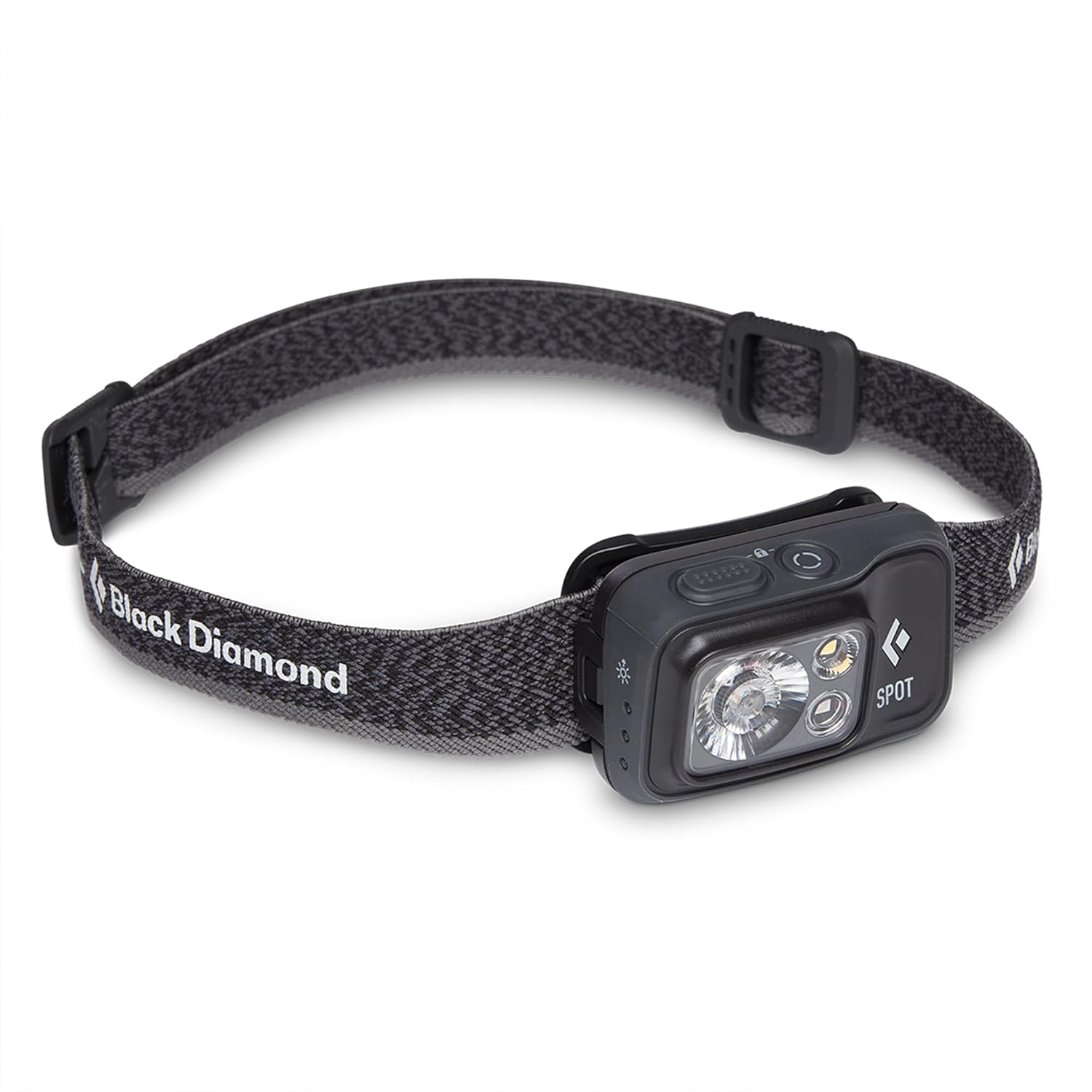
Best Beginner Hiking Headlamp 2026: GearLight vs Black Diamond vs Petzl
A headlamp is not optional: it belongs in your pack on every hike, even day hikes. Trailhead emergencies, slower-than-planned descents, and headlamp-only summit attempts all happen. The question is which one to bring. Here are three picks across the price spectrum: a sub-$25 backup pair, the consensus day-hiking lamp, and Petzl's rechargeable powerhouse for longer days.
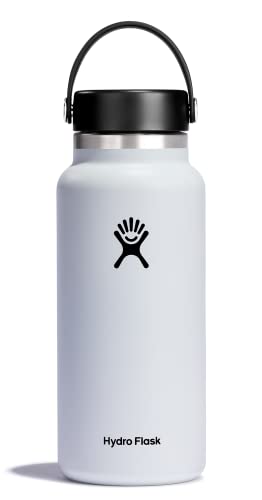
Best Beginner Hiking Water Bottle 2026: Nalgene vs Hydro Flask vs CamelBak
Dehydration is the most common cause of early hike turnarounds and trail emergencies. The solution is simple: carry enough water and actually drink it. Here are three hydration options: the indestructible trail standard, the insulated bottle that keeps drinks cold all day, and the hands-free reservoir system for longer and hotter hikes.

Best Beginner Trekking Poles 2026: Black Diamond Trail vs Distance Z
Trekking poles reduce knee impact by up to 25% on descents and add meaningful stability on uneven terrain. They're not optional once you start hiking with a loaded pack or doing technical descents. Here are three pairs: a no-frills starter, the consensus day-hiking pair, and a folding carbon option for hikers who want minimum weight.