Best Climbing Shoes for Bouldering (2026): Leather Stretches, Synthetic Does Not
The advice everyone gets is to size climbing shoes painfully tight. It is bad advice for a beginner, and it is bad advice partly because it ignores the one fact that actually decides your size: leather shoes stretch as much as a full size, and synthetic ones barely move at all. Buy the same number in both and one of them will be wrong.
HobbyStack may earn a commission from links on this page at no extra cost to you. Our picks are chosen on merit; the commission helps fund the research.
- Leather stretches up to a full size. Synthetic and microfibre stretch almost none.
- Snug with toes flat or gently curled. Painful is for people projecting hard routes, not for learning.
- Flat and neutral shoes beat aggressive downturned ones for your first year.
- Volume matters as much as length. A shoe can be the right size and the wrong shape.
- Try them on in the afternoon. Feet swell, and a morning fitting will be too tight by evening.
 Our pickBlack Diamond MomentumComfort and long sessions$85Check price
 La Sportiva TarantulaceOne pair for everything$99Check price
 Tenaya TantaConsistent fit over time$100Check price
Leather stretches. Synthetic does not.
This is the single most useful fact in buying climbing shoes and almost nobody is told it in the shop.
Leather uppers stretch, and they stretch a lot — commonly half a size, sometimes a full size, as the leather moulds to your foot over the first several sessions. Unlined leather stretches most, lined leather less. So a leather shoe should fit snug-to-slightly-uncomfortable new, because it is going to relax into you. La Sportiva say the Tarantulace runs small and to size up half from street size, precisely because they are managing this.
Synthetic and microfibre uppers barely move. What you try on is what you own in a year. So they should fit properly on day one: snug, with no dead space, but not something you are gritting your teeth through.
Get this backwards and you have either a leather shoe that started comfortable and is now a slipper, or a microfibre shoe you bought too tight and will never grow into.
And never size from your street shoe number alone. Climbing shoe sizing varies wildly between brands and even between models from the same brand.
Why aggressive shoes are the wrong first purchase
Walk into any gym and you will see beginners in aggressively downturned shoes with their toes crushed into a point, climbing worse than they would in flat ones.
Downturn is the banana curve that puts your toes in a hooked, pre-tensioned position. It is genuinely better on steep overhanging terrain, where you are pulling in with your toes on small holds. On a slab, a vertical wall, or anything you stand on for more than a moment, it is worse: less rubber contacts the rock and your feet hurt too much to stand around thinking.
Stiffness is the other axis. A stiffer shoe supports your foot on small edges, which matters when your foot muscles are not yet strong. A softer shoe is more sensitive and better for smearing on slabs but tires you faster.
For the first year you want flat or slightly downturned, moderately stiff, and comfortable enough to leave on between problems. You will climb more, learn footwork properly, and not spend every rest untying your shoes.
Buy the aggressive pair when you have a specific reason. It will still be there.
 Best for long sessions
BLACK DIAMOND Women's Momentum Rock Climbing Shoes
A knit upper that breathes, which addresses the one thing everyone complains about with climbing shoes, and a soft flex midsole that lets you feel what your foot is standing on without being so soft that small edges collapse under you. 4.3mm of Black Diamond's own rubber, which is on the thick side and lasts accordingly. Dual velcro straps mean you can pull them off between problems in two seconds, and back on just as fast, which sounds trivial and is why people in velcro shoes climb more in a session. Flat and neutral, so they suit slabs and vertical walls where beginners spend their time. Note the linked listing is the women's last, which is lower volume; a men's version exists.
What's good
- Knit upper breathes — much less foot sweat
- Soft flex is forgiving while you learn footwork
- Velcro on and off in seconds between problems
- 4.3mm rubber wears slowly
What's not
- Knit stretches slightly, so allow for it
- Too soft for standing on very small edges
- This listing is the women's last — check volume
- Not built for steep overhanging terrain
 Best one pair for everything
La Sportiva Womens Tarantulace Rock Climbing Shoe
An all-leather upper with a padded tongue, laces down the length of the foot, and a rounded higher-volume forefoot, which together make it the shoe for people who want one pair that does gym sessions and outdoor days without complaint. The leather stretches and moulds to your foot, so it becomes genuinely yours after a few weeks — La Sportiva say it runs small and to size up half from street size, which is them accounting for that. Laces let you tune the fit along the whole foot rather than at two strap points, which helps if your feet are an awkward shape. FriXion RS rubber grips well and wears slowly, and a thin midsole keeps torsional rigidity for edging. Lacing is slower between problems than velcro.
What's good
- Leather moulds to your foot over a few weeks
- Laces tune the fit along the whole foot
- Higher volume suits wider or thicker feet
- Hard-wearing rubber and a stiff-ish midsole
What's not
- Slower on and off than velcro between problems
- Leather stretch means sizing is a judgement call
- Runs small — size up half from street size
- This listing is the women's last
 Best for a fit that stays put
Tenaya Tanta Lace Rock Climbing Shoes, (M 7.5, W 8.5) Blue
A microfibre upper, which is the reason to choose it: microfibre does not stretch meaningfully, so the shoe you try on is the shoe you own in a year. If you have been burned by leather shoes relaxing into slippers, this solves it, and it makes buying online far less of a gamble because there is no stretch to predict. The 2D PLT 10 midsole is medium-stiff, which is a sensible middle ground: enough support for small edges, enough feel for slabs. 4mm of rubber and a multi-layer stretch lining that is comfortable against bare feet. Laces for fit control. The flip side of no stretch is no forgiveness — buy these a fraction too small and they will never become comfortable.
What's good
- Microfibre barely stretches — fit stays as bought
- Medium-stiff midsole handles edges and slabs
- Comfortable lining against bare feet
- Much safer to buy online than a leather shoe
What's not
- No stretch means no forgiveness if you size wrong
- Less breathable than a knit upper
- Laces are slow between problems
- Dearest of the three
The "climbing shoes should hurt" advice comes from people projecting at their limit, where a millimetre of precision matters. As a beginner it just means you take them off between every problem, climb less, and learn footwork badly. Snug with toes flat or gently curled is right. You can always buy a tighter pair later; you cannot get back the sessions you cut short.
Volume, and why the right size can still be the wrong shape
Length gets all the attention and is only half the fit. Volume is the internal space through the instep and across the foot, and it is why two shoes in the same size can feel completely different.
A low-volume foot in a high-volume shoe leaves dead space above the instep. Your heel lifts, and no amount of tightening laces fixes it because you are only cinching the top.
A high-volume foot in a low-volume shoe means pressure across the top of the foot and numbness, even though the length is right.
Many models come in two versions — often labelled women's and men's, or LV and HV. These are volume, not gender. Plenty of men climb in the low-volume version and plenty of women in the high, and choosing on the label rather than your foot is a common way to end up with a shoe that never fits.
Also worth knowing: heel shape varies enormously between brands. If your heel slips in every shoe from one maker, try a different maker rather than sizing down.
Before you buy
Leather: size for stretch. Synthetic: size for now.
Flat and neutral for your first year, not downturned.
Try on in the afternoon, barefoot or in the thinnest socks you would climb in.
If your heel lifts, the problem is volume, not length.
Velcro if you take them off between problems, which as a beginner you will.
Climbing shoe questions
How tight should climbing shoes be?
Do climbing shoes stretch?
Should beginners buy aggressive downturned shoes?
What does volume mean in climbing shoes?
The Black Diamond Momentum is the right first shoe for most people: flat, forgiving, breathable, and velcro so you actually keep climbing instead of sitting out with your shoes off. Take the La Sportiva Tarantulace if you want one leather pair that moulds to your foot and covers gym and rock, remembering it runs small. The Tenaya Tanta is the pick if you want the fit you buy to be the fit you keep. Size leather for stretch, synthetic for now.
Ready to actually do it?
The first bouldering quest takes an evening, and it tells you whether the gear was worth it better than any review can.
Start BoulderingThe HobbyStack editorial team researches each guide against manufacturer specifications, published resources and practitioner sources. Every product is checked for availability and described against its current listing before publication, and prices are re-checked when guides are updated.
About our editorial process →More gear guides
All guides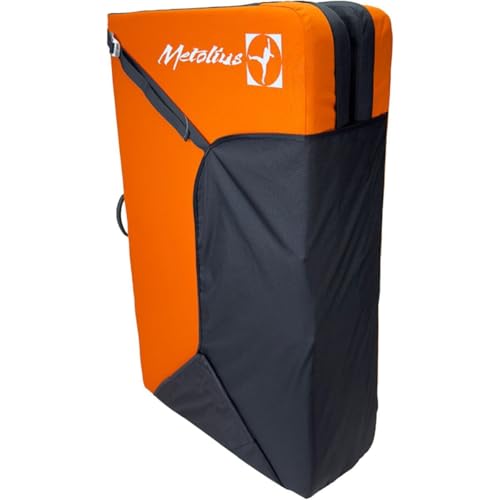
Best Bouldering Crash Pad 2026: Mad Rock Mad Pad vs Metolius Session II vs Black Diamond Mondo
A crash pad is bouldering's defining purchase, the thing that turns a fall into a survivable landing, and the first decision is fold and size: a hinged pad carries easily but has a seam to mind, a taco pad has no weak spot but is bulkier, and bigger is safer but heavier. Here are three honest picks, and the blunt truth that there's no good cheap one.

Best Beginner Belay Device 2026: BD ATC-XP vs Petzl GRIGRI vs GRIGRI+
A belay device is the friction tool that lets you manage the rope, catching your climber's falls and lowering them safely. Every climber needs to own one once they're belay certified. Here are three picks across the two fundamental categories: the standard tube device every beginner learns on, and the two versions of Petzl's cam-assisted GRIGRI that most serious gym climbers eventually upgrade to.

Best Beginner Climbing Harness 2026: Black Diamond vs Petzl Corax vs Solution
Your harness is the connection between you and the rope: it needs to fit, hold falls safely, and stay comfortable during long sessions at the wall. The good news: any UIAA/CE-certified harness from a major brand is safe. The choice is about comfort, padding, and how much you climb. Here are three picks that cover beginner gym use through regular sport climbing.

Best Beginner Climbing Helmet 2026: BD Half Dome vs Petzl Boreo vs Sirocco
Helmets are required for outdoor climbing and strongly recommended for any gym climbing near the top of routes. The primary protection is against rockfall and hitting the wall on a fall, not against ground falls (rope catches those). Here are three picks: a well-priced foam helmet, the consensus hybrid hardshell/foam option, and Petzl's ultralight helmet for climbers who count grams.
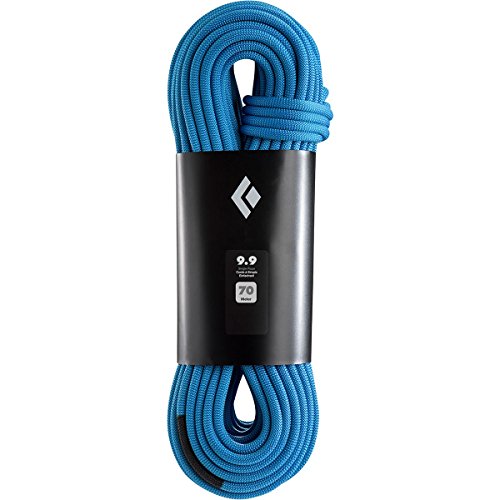
Best Beginner Climbing Rope 2026: Mammut 9.9mm vs 9.5mm Crag Classic vs We Care
A climbing rope is the most critical piece of gear you will own, the last thing between you and the ground. The good news: any modern UIAA/CE-certified single dynamic rope from a reputable brand is safe by design. The real choices are diameter (thicker is more durable and easier to belay, thinner is lighter), length (60m covers the gym and most single-pitch crags, 70m reaches longer routes), and brand. Here are three in-stock, certified dynamic ropes that cover gym to crag.

Best Beginner Climbing Shoes (2026): 3 Comfy, Flat Picks to Start In
Your first pair of climbing shoes really only needs to do one thing: help you learn without wrecking your feet. That means a flat, comfortable shoe that fits snug but not painful, not the aggressive downturned models the strong folks wear on steep overhangs. For gym bouldering, top-rope, and your first trips outside, you want grip and comfort, not a race car you can barely stand to wear for one climb. Here are three good beginner shoes, from a comfy budget pick to a moderate all-rounder you can grow into.