Best FPV Goggles (2026): Box or Low Profile, and Why Diversity Matters
The signal in analog FPV degrades gracefully. It goes fuzzy, then it breaks into static, then it drops, and every one of those steps happens while your drone is still flying at 60 miles an hour. The goggles are what stand between you and that, which is why a diversity receiver is worth more than a nicer screen.
HobbyStack may earn a commission from links on this page at no extra cost to you. Our picks are chosen on merit; the commission helps fund the research.
- Diversity means two receivers and two antennas, auto-switching to the stronger. Get it.
- Box goggles are cheap, bulky and fit over glasses. Low profile is compact and needs your eyes to match.
- DVR records what you saw, which is how you find a drone in long grass.
- These are all analog 5.8GHz. Digital is a different, dearer world.
- You need a spotter. In most places FPV flight legally requires someone watching the drone.
 EV800DStarting out$129Check price
 Our pickFat Shark Recon Echo RTFA first setup$149Check price
 Skyzone Cobra SDFlying regularly$340Check price
Diversity, and what it actually buys you
An FPV video link is one-way and unencrypted, broadcast on 5.8GHz across a set of channels. The picture you see is whatever your receiver can pull out of the air right now.
A single-receiver goggle has one antenna. When the drone turns, or puts a tree between you and it, that antenna's view of the signal changes and the picture breaks up.
Diversity means two receivers and two antennas, usually one patch and one omnidirectional, with the goggle constantly comparing them and switching to whichever is stronger. The result is not a longer range so much as a far more reliable picture inside the range you have. The switch is instant and you never notice it happening, which is the point.
All three goggles here are diversity. On anything you intend to fly fast or behind obstacles, treat it as required rather than a feature.
Channels matter socially. 40 or 48 channels sounds like marketing until you fly with other people: two pilots on the same channel means both get static. More channels means more pilots in the air at once.
And know what analog looks like when it fails. It gets grainy, then breaks into rolling static, then goes black. That progression is your warning system, and it is the reason many racers still prefer analog to digital, which holds a clean picture and then cuts out abruptly with no warning at all.
Box or low profile, DVR, and the legal part
Box goggles are a single screen in a large plastic box strapped to your face. Cheap, easy to share, and they fit over prescription glasses, which is a genuine advantage. They are also bulky, they do not pack down, and the single screen gives no depth.
Low profile goggles use two small screens with optics, one per eye. Compact, sharper, and much nicer to wear. They also need IPD adjustment to match the spacing of your eyes, and if you wear glasses you generally need dioptre lenses instead, which is an extra cost and an extra fitting problem.
The Cobra SD here is unusual in being a low-profile design that is explicitly built with room for glasses, which removes the usual trade.
DVR is not a luxury. The goggles record what the screen showed, and the last few seconds before a crash are how you work out where the drone went into the long grass. Anyone who has spent an hour searching a field learns this once.
Then the legal part, which is not optional. In the US and most other countries, flying by camera alone is not permitted: the rules require the aircraft to be kept within visual line of sight, so an FPV pilot needs a visual observer standing beside them watching the actual drone. Registration requirements and altitude limits apply too, and they differ by country.
Check your national aviation authority before you fly, not after.
 Best for starting out
EV800D 5.8G 40CH 5 Inch 800x480 Video Headset HD DVR
Box-style goggles with a five inch 800x480 screen, forty channels and, importantly at this price, a proper diversity receiver so the picture holds together when the drone turns. Built-in DVR records your flights, which is how you find a crashed quad. The battery is included. Being a box design it is bulky and will not pack small, but it fits over prescription glasses without any extra lenses, which suits a lot of people.
What's good
- Diversity receiver at the lowest price here
- Fits over prescription glasses with no extra lenses
- DVR records flights for finding crashed drones
- Battery included in the box
What's not
- Bulky box design that does not pack down
- Single 800x480 screen, so no depth
- Generic branding and thin support
- 40 channels rather than 48
 Best for a first setup
Fat Shark Recon Echo FPV Goggles RTF Combo
Sold as a ready-to-fly combo rather than goggles alone, and that is what makes it the sensible first purchase. The box includes the Fat Shark Echo headset, an FPV camera and a video transmitter with a sealed antenna, which means the video half of a build is solved in one order instead of three. Fat Shark is the established name in FPV headsets. If you already own a camera and VTX, you are paying for parts you do not need.
What's good
- Headset, camera and VTX in one box
- Removes the guesswork from a first build
- Fat Shark is the established FPV headset name
- Sealed antenna on the transmitter
What's not
- Wasted money if you already own a camera and VTX
- Entry-level headset within the Fat Shark range
- Fewer channels than the Cobra
- Combo parts are basic rather than best in class
 Best for flying regularly
SKYZONE Cobra SD FPV Goggles
Forty-eight channels on a high-sensitivity diversity receiver that picks the stronger antenna automatically, which is what keeps the picture clean when you fly fast or behind things. The 800x480 screen runs a native 16:9 ratio so the image is not stretched. The genuinely unusual part is the internal space: it is designed to be worn over prescription glasses rather than requiring dioptre inserts, which removes a real cost for anyone who needs them.
What's good
- 48 channels, so more pilots can fly together
- High-sensitivity diversity holds the picture
- Designed to be worn over glasses, no dioptres needed
- Native 16:9 screen with no stretching
What's not
- Over twice the Recon Echo combo
- Goggles only, no camera or VTX included
- Still 800x480, so not a resolution upgrade
- Menu language options are limited
Flying by camera alone does not satisfy the visual line of sight rules that apply in the US and most other countries. An FPV pilot needs a visual observer standing beside them, watching the actual aircraft and able to warn them. Registration, altitude limits and no-fly zones apply too, and they vary by country and by site. Check your national aviation authority before your first flight rather than after an incident.
Getting started without destroying anything
Fly a simulator first. This is the single best piece of advice in the hobby and it is nearly free. Twenty hours in a sim costs the price of one game and saves several rebuilt drones. Your thumbs learn what the drone does before real money is in the air.
Antennas are the cheapest range upgrade. The stock antenna on a goggle is usually mediocre. A decent patch antenna on one receiver and an omni on the other is a bigger improvement than better goggles, and costs a fraction of one.
Never power a video transmitter without an antenna attached. It reflects power back into the transmitter and destroys it, usually permanently, in seconds.
Agree channels before you fly with others. Two pilots on the same channel means neither can see. Most groups run a simple board or a shared list.
Charge and store LiPos properly. They are the genuinely dangerous part of this hobby. Storage charge for anything you are not flying today, a fireproof bag, and never charge unattended.
Take the goggles off between packs. Eye strain builds quickly, and so does losing track of where you actually are standing.
Before you buy
Diversity receiver, not single. It is the feature that matters most.
Box goggles if you wear glasses and want to spend less.
Check DVR is included so you can find crashed drones.
A combo saves money only if you do not already own a camera and VTX.
Budget for better antennas before better goggles.
FPV goggle questions
What does a diversity receiver do?
Box goggles or low profile?
Do I need a DVR?
Can I fly FPV without a spotter?
The Fat Shark Recon Echo combo is the sensible first purchase, because it solves the whole video side of a build in one box rather than three orders and a lot of guessing. The EV800D is a genuine bargain if you already have a camera and transmitter, and it fits over glasses. Move up to the Skyzone Cobra SD once you fly regularly and want 48 channels. Then spend the next money on antennas.
Ready to actually do it?
The first drone racing quest takes an evening, and it tells you whether the gear was worth it better than any review can.
Start Drone RacingThe HobbyStack editorial team researches each guide against manufacturer specifications, published resources and practitioner sources. Every product is checked for availability and described against its current listing before publication, and prices are re-checked when guides are updated.
About our editorial process →More gear guides
All guides
Best Multimeter for Drone Building (2026): The Tool That Finds the Short
A multimeter turns two of the worst moments in building electronics into thirty-second checks. One is powering up a fresh board and watching smoke come out because two pads were bridged. The other is a pack that will not charge, which is either one dead cell or a broken lead, and there is no way to tell by looking.
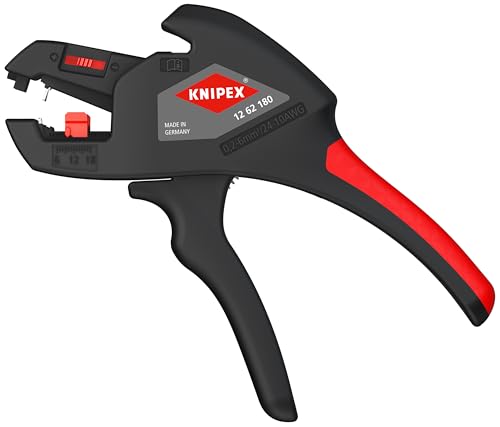
Best Wire Strippers (2026): Nicked Copper Is a Wire That Will Break
Strip a wire with a knife or the wrong gauge notch and you cut into the copper. The wire still works, right up until vibration finds the weak point and it fails somewhere inside the insulation where nothing is visible. On something that flies, that is not a nuisance, and it is entirely avoidable with a tool that adjusts itself.

Best Pottery Tool Set (2026): Six of the Twelve Do Nearly Everything
Open a twelve-piece pottery set and six tools will do nearly all your work: the wire cutter, a wooden rib, a metal rib, a loop trimming tool, a sponge and a needle tool. The rest get picked up once, found to duplicate something, and left in the canister for years.

Long Blade Freediving Fins (2026): Stiffness Is Matched to Your Legs, Not Your Ambition
Long blades are not about speed. A long blade moves a large volume of water per kick, so you cover distance at a slow, unhurried cadence instead of a fast one, and on a breath-hold the thing you are conserving is oxygen. A stiff blade you cannot load properly burns more of it than a soft blade you can.
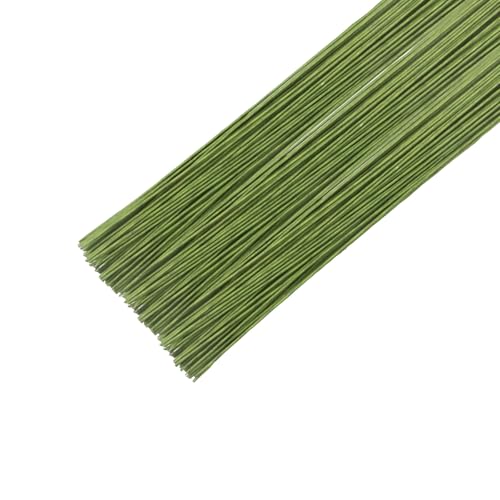
Best Millinery Wire (2026): Gauge Decides Whether the Brim Holds Its Line
Wire gauge runs backwards, so an 18 gauge wire is thicker than a 20. That catches people out in exactly the wrong direction: they buy a high number expecting something substantial, wire a brim with it, and watch the brim sag the first time the hat is picked up.

Best Go Books (2026): Beginners Want Joseki and Need Life and Death
Every beginner reaches for a book of joseki, the memorised corner sequences, because they look like the secret. They are not. Strength at Go comes from reading life and death and recognising good shape, and a player who has memorised openings without those will play twenty moves of professional theory and then lose the group.