Best Hot Glue Gun for Cosplay (2026): High Temperature Melts EVA Foam
Most buying guides assume the most powerful option is the best one. Cosplay inverts that. EVA foam, the material most armour is built from, deforms and melts at the temperature an industrial glue gun runs at, so the 220 watt professional gun is the wrong tool for the job people most often buy it for.
HobbyStack may earn a commission from links on this page at no extra cost to you. Our picks are chosen on merit; the commission helps fund the research.
- EVA foam wants low temperature glue. High temp melts and dents it.
- Dual temperature guns cover both foam and everything else. Buy one of those.
- Contact cement, not hot glue, is what holds foam armour seams together.
- Hot glue sets in seconds. Dry fit everything before the trigger comes near it.
- Wattage means melt rate and recovery, not maximum temperature.
 Our pickGorilla Mini dual tempFoam and cosplay$21Check price
 AdTech Pro200Big builds$45Check price
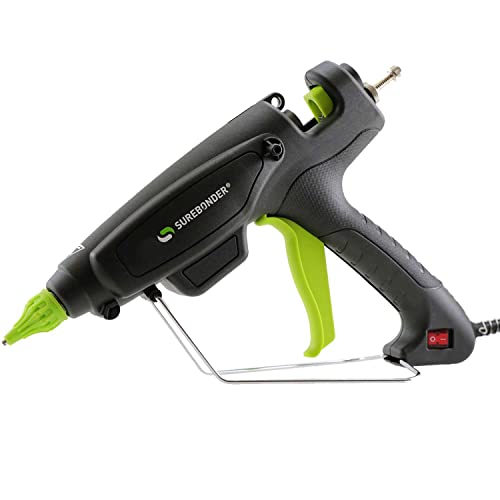 Surebonder PRO2-220HTContinuous work$116Check price
Why the powerful gun is the wrong gun
EVA foam is the backbone of modern cosplay armour: closed-cell foam sheet, usually from floor mats or craft foam, cut and heat-shaped into plate.
It is also thermoplastic, which is what lets you heat-form it. That same property means it deforms when something hot touches it. A bead of glue at 380 to 410°F laid onto a foam surface will dent it, and often melt through a thin piece entirely.
So cosplay wants low temperature glue, which runs around 250°F. It sets slightly slower and bonds slightly less aggressively, and it does not destroy the material you are gluing.
The Gorilla here is dual temperature, and its own listing names the low setting as being for foam, fabric, floral and jewellery. That is the setting cosplay lives on, with the high setting there for wood, plastic and anything that needs a stronger grab.
The AdTech at 410°F and the Surebonder at a fixed 380°F that cannot be adjusted are high temperature guns. They are genuinely better tools for carpentry, prop bases, wood and heavy plastic. Point either at thin EVA foam and you will see why temperature matters more than watts.
Wattage is a different axis. It governs how fast the gun melts glue and how quickly it recovers between beads, not how hot it gets. A 220 watt gun lays continuous glue without pausing; a mini gun needs a moment. For most cosplay that pause is irrelevant.
What hot glue is actually for in a build
Hot glue is a fast tack, not a structural adhesive, and knowing that changes how you use it.
Contact cement holds foam armour together. Brush it on both surfaces, wait until it is touch dry, then press them together. The bond is immediate, permanent and stronger than the foam itself. Every large seam on a foam build should be contact cement.
Hot glue does the rest: tacking pieces while you check the fit, adding detail work and trim, attaching hardware and magnets, filling small gaps, and holding things that will never take load.
It has real weaknesses to plan around. It is brittle in cold, so an outdoor convention in winter can pop joints. It softens in heat, so a car boot in summer or hot stage lighting will let it creep. And it peels rather than shears, so anything under a pulling load will eventually let go.
Which is why hot glue is wrong for anything load-bearing in a costume: strap anchors, weight-bearing joints, or anything that would hurt if it failed. Use rivets, screws, sewn webbing or contact cement.
Full size or mini sticks. Mini sticks are 0.27 inch, full size are 7/16 or 0.5 inch depending on the gun. They are not interchangeable, and buying the wrong diameter is a common and annoying mistake.
 Best for foam and cosplay
Gorilla Mini Hot Glue Gun Kit, Dual Temp, Includes 30 Sticks
The dual temperature setting is what makes this the right gun for cosplay rather than merely the cheapest. Low heat is intended for foam, fabric and other delicate materials, which is where most of a build happens, and high heat is there when you need a firmer grab on wood or plastic. A safety fuse cuts power if there is a short, and it has a comfort grip, a built-in stand and a long insulated nozzle. Thirty mini sticks included.
What's good
- Low setting is safe on EVA foam
- High setting covers wood and plastic too
- Safety fuse cuts out on a short
- Comes with 30 sticks to start with
What's not
- Mini gun, so it pauses to recover on long beads
- Uses 0.27 inch mini sticks, not full size
- Smaller reservoir than the full-size guns
- Not built for hours of continuous work
 Best for big builds
AdTech Industrial Strength Full Size High-Output Hot Melt
A 200 watt PTC heating system running at 410°F, heating up in about three minutes and putting out three and a half pounds of glue an hour, which is the difference between working continuously and waiting for the gun. Built for carpentry, repairs and remodelling, and the ergonomic trigger needs less pressure than most. Note the temperature though: at 410°F this will dent or melt thin EVA foam, so keep it for wood, plastic and prop bases.
What's good
- 200 W means continuous glue with no waiting
- Heats up in about three minutes
- Trigger needs less pressure than most guns
- 3.5 lb per hour output for big jobs
What's not
- 410°F will melt or dent thin EVA foam
- No low temperature setting at all
- Uses 0.5 inch sticks, not mini
- Heavier in the hand than a mini gun
 Best for continuous work
Surebonder PRO2-220HT Professional High-Temperature 220 Watt
Two hundred and twenty watts of melting power aimed at industrial use, which means it keeps up a continuous flow rather than pausing to recover, and a heavy duty carrying case comes with it. The important limitation is stated plainly: the temperature is fixed at 380°F and cannot be adjusted. That rules it out for the foam work most cosplay involves, and makes it a specialist tool for prop bases, wood and heavy plastic instead.
What's good
- 220 W keeps a continuous flow with no pauses
- Anti-slip trigger for long sessions
- Heavy duty carrying case included
- Built for genuinely industrial use
What's not
- Fixed 380°F, cannot be turned down for foam
- Wrong tool for most cosplay work
- Needs 7/16 inch high temperature sticks
- Dearest here by a distance
Molten glue is around 380°F and it sticks to skin, so it keeps burning rather than dripping off. Run it under cold water immediately and keep it there; do not pull the glue off, because it takes skin with it. Work on a silicone mat with the gun in its stand, keep the cable clear of your lap, and never test the nozzle temperature with a finger. This is the most common workshop injury in the hobby.
Working cleanly with it
Dry fit everything first. Hot glue grabs in seconds and there is no repositioning. Hold the pieces together, check the fit, mark where they go, and only then reach for the gun.
Less glue than you think. A thin bead spreads under pressure. A thick one squeezes out of the seam, cools into a visible ridge, and has to be cut away.
Glue strings are a temperature problem. They come from glue that is not quite hot enough, or from pulling away too fast. Let the gun reach temperature properly, and twist slightly as you lift the nozzle. A hairdryer or heat gun waved briefly over the finished piece melts the remaining wisps away.
Do not pull sticks backward out of the gun. They are not designed to come out and pulling one can damage the feed mechanism. Push a new stick in behind the old one instead.
Unplug it between sessions. Glue guns have no thermostat cut-off in most cases and will sit at temperature indefinitely.
Keep the surfaces clean. Hot glue does not stick to dust, release agents or the powdery surface some craft foam arrives with. A wipe with alcohol makes a real difference to how well it holds.
Before you buy
Dual temperature if you work with EVA foam, which is most cosplay.
Wattage governs melt rate, not maximum temperature.
Check the stick diameter matches the gun before buying refills.
Get contact cement as well, for anything structural.
Buy a silicone mat and finger protectors while you are at it.
Hot glue gun questions
Why is a high temperature glue gun bad for cosplay?
What does wattage do on a glue gun?
Should I use hot glue to hold foam armour together?
Why does my hot glue leave strings everywhere?
The dual-temp Gorilla mini is the one to buy for cosplay, and it is also the cheapest here, which is unusual and correct. Its low setting is safe on EVA foam and the high setting covers everything else. The AdTech is the better gun for wood, prop bases and heavy plastic where 410°F is an advantage. The Surebonder is an industrial tool with a fixed temperature that rules it out for foam. Buy contact cement too.
Ready to actually do it?
The first cosplay quest takes an evening, and it tells you whether the gear was worth it better than any review can.
Start CosplayThe HobbyStack editorial team researches each guide against manufacturer specifications, published resources and practitioner sources. Every product is checked for availability and described against its current listing before publication, and prices are re-checked when guides are updated.
About our editorial process →More gear guides
All guides
Best Rotary Tool for Beginners (2026): 3 Dremel Kits for Crafts and Cosplay
A rotary tool is the little handheld workhorse that sands, grinds, cuts, engraves, and polishes almost any material, which is why it is a staple for cosplay, model-making, jewelry, and general crafting. For a first one the honest advice is simple: buy a real Dremel. The cheap copies wobble, overheat, and lose power under load, while a genuine Dremel is smooth, holds its speed, and takes the huge range of accessories you will actually want. The three here climb Dremel's own lineup, from a capable entry kit to the flagship.

Best Voice Recorder for Actors (2026): Hearing Yourself Is the Whole Point
Actors improve fastest by hearing themselves, because the performance you feel giving is not the performance that arrives. A recorder makes that gap visible — the rushed line, the dropped ending, the habit you did not know you had. What surprises most people is that the room you record in matters more to the result than the device you record with.
Best Playing Cards for Card Magic (2026): 3 Honest Picks
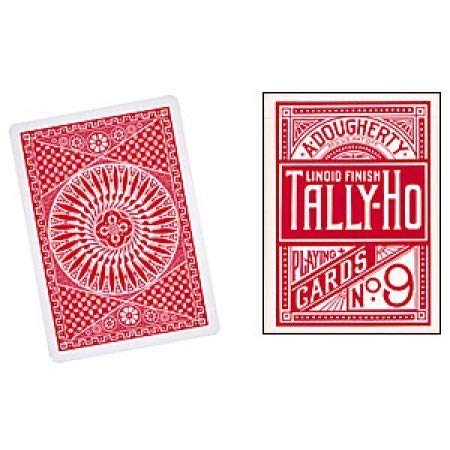
Here is the honest truth most gear guides skip: a standard deck of Bicycle cards, the kind you can buy for about four dollars at any supermarket, is genuinely all you need to learn almost every card trick worth knowing. Nearly every card magician alive learned on exactly that deck, and most still perform with it. The sleights, the moves, the classics in every beginner book all assume an ordinary deck of cards, not a special one. So this is not a guide about buying your way to better magic, because you cannot, the skill is entirely in your hands. It is a guide to three good decks and the honest, small differences between them: a cheap standard Bicycle to start and stick with, a classic magician's paper deck that fans and springs a touch more smoothly once your hands know what they are doing, and a premium deck that feels lovely and looks the part but does nothing your first deck cannot. One thing up front: these are all real decks you also just play cards with, not gimmick or trick decks. You do not need those to learn card magic. Here are three good ones, and honest advice on whether to bother going past the first.

Best DJ Controller for Beginners (2026): Mix Out of the Box
A DJ controller is an all-in-one setup, two decks, a mixer, and a sound card in one unit, that plugs into your laptop and lets you actually mix out of the box with the included software. For a beginner the key thing is that it works with pro software (rekordbox or Serato) so your skills carry over to club gear. Here are three good ones, from a learning-focused controller to a 4-channel step up.
Best DJ Headphones (2026): Loud Rooms, One Ear, and a Cable That Survives
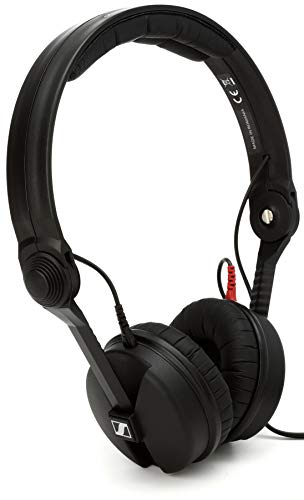
DJ headphones are not judged the way listening headphones are. You are cueing a track against a loud room, usually with one ear on and one off, often with the headphones half-hanging off your head, and the pair that wins is the one that isolates well and does not break at the cable. Sound quality matters less than either of those.

Best Powered Speakers for DJing (2026): 3 Picks for Beginners
Powered speakers (also called active speakers) are the simplest way to actually hear your mixes out loud: the amplifier is built into the cabinet, so you just plug your controller in and go, with no separate amp to buy or match. For a beginner DJ the things that matter are whether it is active, the size (12 or 15 inch), and the wattage, and the honest truth is you want two of them for proper stereo sound. Here are three good ones, from an affordable Mackie to a QSC that is a genuine industry standard.