Best Miniature Paint Brushes for Beginners (2026): 3 Real Picks
Beginners usually blame their hands. Nine times out of ten it is the brush. A cheap brush that will not hold a point puts paint where you did not aim it, and no amount of practice fixes a bristle that splays the moment it touches the model. The good news is that this is the cheapest problem in the hobby to solve, because a decent brush costs less than a pot of paint. What you actually need is fewer brushes than the big sets suggest: one that holds a fine point for detail, and one stiff flat brush for drybrushing. Here are three sets worth buying, and what each is genuinely for.
HobbyStack may earn a commission from links on this page at no extra cost to you. Our picks are chosen on merit; the commission helps fund the research.
- The point matters more than the price. A brush that holds a sharp tip is the whole game; one that splays cannot be compensated for with technique.
- You need two shapes, not twenty. A fine round for detail and a stiff flat for drybrushing cover almost everything early on.
- Big numbered sets are mostly filler. Ten brushes you never touch is worse value than three you use constantly.
- Never leave a brush resting in water. Bending the bristles against the bottom of the pot ruins more brushes than painting ever does.
 KIASON Miniature Detail Paint Brush Set (10 piece)$1010 fine detail brushesFixing a bad brush problem immediately, for very little
 Nicpro Miniature Paint Brushes with Drybrush Set (20 piece)Pick$23Detail rounds plus dedicated drybrushesOne purchase that covers the whole model, not just details
 The Army Painter Most Wanted Brush Set (3 brushes)$31Three brushes, hobby-brand qualitySomeone who knows they are staying with the hobby
It is worth understanding what actually separates a good miniature brush from a bad one, because the marketing is all about how many are in the pack. The thing that matters is whether the bristles come to a point and stay there when loaded with paint. A brush with a true point lets you place a thin line exactly where you look, and the same brush handles a surprising amount of the model, because you can paint broad areas with the belly of the brush and details with the tip. A brush without a point does neither: it dumps paint wide of where you aimed, so edges look furry and eyes end up as smudges, and the natural reaction is to assume your hands are the problem. They usually are not. The second thing that matters is stiffness, and it works the opposite way. Drybrushing, where you wipe almost all the paint off and drag the bristles across raised detail to catch the edges, needs a stiff, blunt, flat brush. Doing it with your good pointed brush destroys the point quickly, which is why a separate drybrush is not a luxury.
That gives you a simple way to choose. If you already own a paint set with a token brush in it and just want something that works, a small pack of fine detail brushes fixes the immediate problem for very little money. If you are starting properly and want one purchase to cover the whole model, a set that includes both pointed detail brushes and dedicated drybrushes is the better shape of kit, because it matches how you will actually paint: block in the base colours, wash, then drybrush the raised edges and pick out details last. And if you already know you are staying with this, the step up to a recognised hobby brand buys better bristle quality and a point that survives more sessions, which is the difference you feel after a few models rather than on day one. Whichever you buy, the thing that will extend their life most is not the price, it is rinsing properly and never standing them bristle-down in the water pot.
 Best cheap fix
KIASON Miniature Detail Paint Brush Set (10 piece)
This is the set to buy when the brush that came with your paints is the thing holding you back and you do not want to think hard about it. It is a spread of small pointed brushes aimed at detail work, and at this price the calculation is simple: it costs less than a couple of pots of paint and immediately removes the most common beginner frustration, which is a brush that will not hold a point. For picking out eyes, straps, buckles, weapon edges and other small areas, these do the job well enough that the limiting factor goes back to being your hand rather than your tools. Be realistic about what cheap brushes are, though. The bristles will not keep a fine point for as many sessions as a hobby-brand brush, so treat them as consumables and expect to replace them rather than nurse them. There are also no drybrushes here, which is a real gap because drybrushing is where a lot of the visible improvement on a miniature comes from, so you will want a stiff flat brush alongside these before long. As a first fix for the detail problem, though, it is hard to argue with.
What's good
- Cheapest way to solve a bad-brush problem
- Good spread of small sizes for detail work
- Costs less than a couple of pots of paint
- Fine for eyes, straps, edges and small areas
What's not
- Bristles lose their point faster than hobby-brand brushes
- No drybrushes included, so no easy way to pick out raised detail
 Best for most people
Nicpro Miniature Paint Brushes with Drybrush Set (20 piece)
This is the one to buy if you want a single purchase that matches how miniatures are actually painted, because it covers both jobs rather than one. You get pointed rounds in a range of sizes for base coats and detail, and, importantly, dedicated stiff drybrushes, which most beginner sets leave out. That second group matters more than it sounds: drybrushing is the technique that makes chainmail, fur, stonework and armour edges suddenly read as texture rather than flat colour, and it is one of the fastest visible wins available to a new painter. Doing it with a pointed detail brush works once and then wrecks the point, which is exactly the mistake this set prevents. In practice you will find yourself using three or four of these constantly and leaving the rest in the case, which is true of every large set and not really a criticism, though it does mean the headline count is less meaningful than it looks. The bristles sit above the cheap end without reaching hobby-brand quality, so with reasonable care they hold a point across plenty of sessions. For most people starting out properly, this is the right shape of kit.
What's good
- Covers both detail work and drybrushing in one purchase
- Dedicated drybrushes save your pointed brushes from being ruined
- Sensible size range for base coats through to fine detail
- Noticeably better bristles than the cheapest sets
What's not
- You will genuinely use only a handful of the twenty
- Not the bristle quality of a dedicated hobby brand
 Best quality
The Army Painter Most Wanted Brush Set (3 brushes)
Three brushes instead of twenty, and that is the argument rather than a compromise. The Army Painter make brushes specifically for miniature painting, and this set is built around the shapes that get used constantly rather than a drawer's worth you will never touch. What you are paying for is bristle quality, which shows up in exactly one way that matters: the point holds. A brush that still comes to a tip after a dozen models is a genuinely different experience from one that has quietly splayed, because your lines stay where you put them and you stop compensating. That difference is not obvious on your first evening, which is why this is the wrong first purchase for someone still deciding whether they enjoy the hobby, and the right one for someone who already knows they do. The honest trade-offs: it costs more than sets with many times the brush count, and three brushes will not cover every situation, so you may still want a cheap drybrush alongside for the roughest work where you would rather not use a good brush at all. If you are staying, buy these and look after them.
What's good
- Made specifically for miniature painting, not general craft
- Holds a fine point across many more sessions
- Only the shapes you actually reach for
- Better lines with no change in technique
What's not
- Costs more than sets with far more brushes in them
- Three brushes will not cover every job on their own
The fastest way to ruin a good miniature brush is standing it bristle-down in water between colours. The weight of the handle bends the bristles against the bottom of the pot and they set that way, so the brush stops holding a point and no cleaning brings it back. Rinse, reshape the tip with your fingers, and lay it flat. This single habit will outlast any brush you buy.
Before you buy
Buy for shape, not count. One pointed round and one stiff drybrush do most of the work.
Keep a cheap brush for drybrushing and metallics, and never use your good one for either.
Thin your paints. Thick paint from the pot clogs the tip and hides the detail you are trying to show.
Rinse and reshape the point after every session, and store brushes flat or bristle-up.
Common questions
How many brushes do I actually need to paint miniatures?
Why do my lines look messy even when I go slowly?
What is drybrushing and do I need a separate brush for it?
Are expensive miniature brushes worth it for a beginner?
If a useless brush is the thing stopping you right now, the cheap KIASON detail set fixes it today for less than a couple of pots of paint. If you are starting properly, the Nicpro set is the better shape of purchase because it includes dedicated drybrushes, and drybrushing is where a lot of the visible improvement comes from. Move to The Army Painter brushes once you know you are staying, since what you are buying there is a point that holds. Whatever you buy, never leave them standing in the water pot.
Ready to actually do it?
The first miniature wargaming quest takes an evening, and it tells you whether the gear was worth it better than any review can.
Start Miniature WargamingThe HobbyStack editorial team researches each guide using practitioner communities, published resources, and direct input from active hobbyists. Every guide is reviewed for accuracy before publication and updated when practices change.
About our editorial process →More gear guides
All guides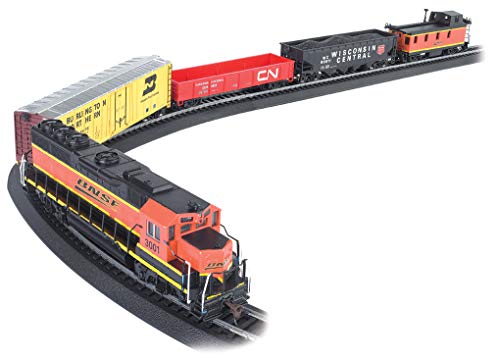
Best Model Train Set for Beginners (2026): 3 HO-Scale Starter Sets
The easiest way into model railroading is a ready-to-run starter set: a locomotive, a few cars, a loop of track, and a power pack, all in one box, so you can have a train running on the kitchen table the same day. For beginners the sweet spot is HO scale, the most popular size worldwide, big enough to handle easily and backed by a huge range of track, buildings, and trains to grow with. The main upgrade to understand is DC versus DCC (whether you can run and control more than one train independently, with sound). Here are three good HO starter sets, from a simple first loop to a premium digital set with sound.

Best Needle File Set (2026): Swiss Cut Numbers Run Backwards
Two things about needle files surprise people. Swiss cut numbers run the opposite way to sandpaper grit, so a higher number is finer, not coarser. And the most expensive set on this page is the coarser one, because cut grade and price are unrelated. Knowing both saves buying a set that does the wrong job beautifully.

Best Cooperative Board Games (2026): Playing With the Table, Not Against It
Cooperative games are the easiest way into board games with people who do not think they like board games, because nobody gets knocked out and nobody has to be the one who ruins a friendship over a trade. They also have one specific failure mode that no box warns you about: the loudest player quietly starts telling everyone else what to do.

Best Gateway Board Games for Beginners (2026): 3 to Start With
Here is the honest truth: you do not need all three of these, any one of them is enough to get a good game night going. Gateway games are the ones built to win over people who think they do not like board games, the friends and family who groan at the word Monopoly. They teach in about five minutes, finish in under an hour, and leave everyone wanting another round. What they are not is Monopoly, Risk, or Trivial Pursuit, the long, luck-heavy, knock-you-out games most of us grew up quietly dreading. This guide is three different games at rising price and complexity, not three versions of one thing. Start with an easy, gorgeous crowd-pleaser, move to the classic that got a generation into the hobby, and step up to a richer game once your table is hooked. Buy one, get it played a few times, and add another only when your group is asking for more. Here are three good ones, and honest advice on where to start.
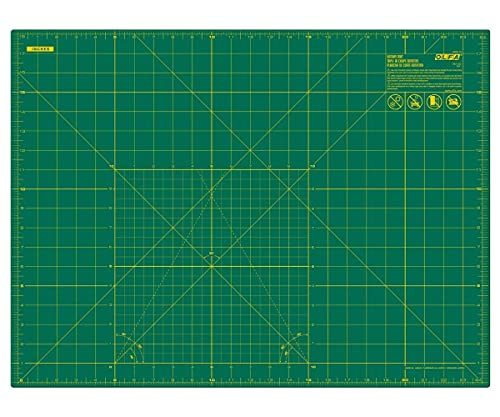
Best Cutting Mat for Prototyping (2026): Rotary Mats and Knives Do Not Mix
Self-healing mats are not all built for the same blade. OLFA say plainly that their rotary mat is for rotary cutters only and not for fixed-blade utility knives, which is exactly what you cut prototype cards with. It is the kind of thing you find out from the packaging rather than from the product name.

Best Hobby Knife Set for Models & Dioramas (2026): X-Acto vs Budget Kits
A dull, wobbly blade ruins more parts than any lack of skill. Spend $8 to $52 on a real hobby knife set with sharp blades and a tight collet, and your cuts get clean overnight.