Best SUP Leash (2026): The Right One Depends on the Water, Not the Board
A paddleboard blown away from you across open water is faster than you can swim, which is why a leash is the single most important safety item in the sport. But the ankle leash that keeps you safe on a lake is the one that can kill you in a river, and that difference is the most important thing on this page.
HobbyStack may earn a commission from links on this page at no extra cost to you. Our picks are chosen on merit; the commission helps fund the research.
- Never wear an ankle leash in moving water. Use a quick-release waist belt or none at all.
- Coiled leashes stay out of the water and off your board. Straight leashes suit surf.
- Match the leash to your board length or slightly longer.
- A leash is not a flotation device. It keeps your board close, nothing more.
- Check the swivels and rail saver every session. That is where leashes fail.
 Our pickDakine Coiled Ankle Leash 10ftFlatwater$27Check price
 NRS Coiled SUP LeashA floating line$60Check price
 Creatures Reliance Ankle Coil 10ftHeavy-duty flatwater$61Check price
The river rule, which is the important part
On a lake, an ankle leash is exactly right. In moving water it is genuinely dangerous, and this is not a cautious hedge — it is the established safety position of every whitewater and river SUP organisation.
The mechanism is entanglement. A leash trailing behind you in current can snag on a submerged branch, rock or strainer. The current then pins you, and the leash holds you there, underwater, attached at the ankle where you cannot reach it. People have drowned exactly this way, in water they could otherwise have swum out of.
So for rivers and any moving water: a quick-release waist belt, worn at the waist with a pull tab you can reach and operate one-handed with cold hands, or no leash at all.
Practise the release on dry land until it is automatic. A quick release you have never pulled is not a plan.
All three leashes here are ankle leashes for flatwater and surf. They are the right tool for lakes, estuaries and the sea. They are the wrong tool for a river.
Coiled or straight
Coiled leashes retract like a phone cord and sit mostly on the board deck, out of the water. That is what you want on flatwater: no drag behind you, nothing trailing to catch on weed, and it does not tangle round your feet as you step about the board. The Dakine here uses a straight-coil-straight layout, with straight sections at each end so the coil sits in the middle and the cord stays out of the water.
Straight leashes trail behind you in the water. In surf that is the right behaviour, because a coiled leash under load can recoil and snap the board back at you. Surfers use straight; flatwater paddlers use coiled.
Length should be about your board length or a little more. Too short and the board snaps back at you on a fall; too long and there is slack to tangle in.
Thickness trades strength against drag. A 3/16-inch cord is normal for flatwater. Surf leashes go thicker because the loads are much higher.
Floating cord, which the NRS has, keeps the line on the surface where you can see it.
 Best for flatwater
Dakine SUP Coiled Ankle Leash 10' X 3/16" - Black
A SUP-specific 10-foot coiled ankle leash in 3/16-inch urethane Dura-Cord. The straight-coil-straight layout is the detail worth paying for: straight sections at both ends keep the coil in the middle and the cord up on the deck rather than dragging through the water, which is the whole point of a coiled leash. Ten feet suits most boards. Simple, well made, and cheapest here.
What's good
- Straight-coil-straight keeps the cord out of the water
- SUP-specific rather than a repurposed surf leash
- Durable urethane Dura-Cord
- Cheapest of the three
What's not
- Ankle attachment — never for moving water
- No quick release
- Coiled is the wrong choice in surf
- 10ft may be short for a very long board
 Best floating line
NRS Coiled SUP Board Leash
A coiled leash in floating polyurethane, and the floating part is the reason to pick it. A line that sits on the surface is one you can see and grab, and it will not sink into weed or wrap round a fin the way a sinking cord can. NRS build for paddlesports rather than surf, so the hardware is chosen for river and lake use. Still an ankle leash, so still flatwater only.
What's good
- Floating line stays visible and grabbable
- Will not sink into weed or wrap a fin
- Paddlesport-specific hardware
- Coiled, so no drag behind you
What's not
- Still an ankle leash — not for moving water
- Half again the Dakine
- No quick-release mechanism
- Floating cord is slightly bulkier
 Best heavy duty
Creatures of Leisure Reliance Sup Ankle Coil 10Ft Leash Black
A 10-foot coiled ankle leash from a maker better known for surf leashes, which shows in the hardware — heavier swivels and a more substantial rail saver than a budget flatwater leash carries. Those are the two parts that actually fail, so a heavier build is a reasonable place to spend if you paddle often or in choppy coastal water. Beyond that it does the same job as the Dakine for half again the price.
What's good
- Heavier swivels and rail saver, which is where leashes fail
- Surf-heritage build quality
- Coiled, so it stays on the deck
- 10ft suits most boards
What's not
- Does the same job as the Dakine for more
- Still an ankle leash — not for rivers
- Heavier hardware adds a little weight
- No quick release
A leash trailing in current can snag on a submerged branch or rock, and the current then pins you underwater with the leash holding you there, attached at an ankle you cannot reach. People have drowned this way in water they could have swum out of. Rivers and moving water need a quick-release waist belt you have practised pulling, or no leash at all.
Checking a leash before it fails
Leashes fail at predictable points, and a thirty-second check catches almost all of it.
The rail saver is the wide fabric strap that attaches to the board's leash plug, and it exists to spread load so the cord does not saw through the plug. Check the stitching and check it is not frayed at the fold.
The swivels at each end let the cord untwist. A seized swivel means the leash winds up tighter every session until the cord kinks and weakens. Spin them; they should turn freely. Rinse them in fresh water.
The cord itself — look for nicks, and for a coil that has lost its memory and hangs slack. A stretched coil drags in the water and is close to done.
The ankle cuff velcro loses grip with sand and wear, and a cuff that pops open in a fall is no leash at all.
Replace it every season or two if you paddle regularly. Leashes are cheap and boards blowing away are not.
Before you buy
Flatwater: coiled ankle leash. Surf: straight. Rivers: quick-release waist belt only.
Match the length to your board, or slightly longer.
A floating line is easier to see and will not wrap a fin.
Check swivels and rail saver every session.
A leash is not flotation. Wear a PFD as well.
SUP leash questions
Can I use an ankle leash on a river?
Coiled or straight leash for paddleboarding?
What length leash do I need?
Does a leash replace a life jacket?
The Dakine coiled ankle leash is the sensible flatwater buy: SUP-specific, and the straight-coil-straight layout genuinely keeps the cord out of the water. The NRS is worth the step up for a floating line you can see and that will not wrap a fin. The Creatures has heavier swivels and rail saver, which is where leashes actually fail. And whichever you buy, take it off before you paddle moving water.
Ready to actually do it?
The first stand-up paddleboarding quest takes an evening, and it tells you whether the gear was worth it better than any review can.
Start Stand-up PaddleboardingThe HobbyStack editorial team researches each guide against manufacturer specifications, published resources and practitioner sources. Every product is checked for availability and described against its current listing before publication, and prices are re-checked when guides are updated.
About our editorial process →More gear guides
All guides
Best Inflatable Paddle Board for Beginners (2026): 3 Picks That Come With Everything
For a beginner, an inflatable paddle board (an iSUP) is almost always the right call over a hard board: it is more stable, more forgiving if you bang it, and it packs down into a backpack you can keep in a closet or a car boot. The good news is that most beginner iSUPs come as a complete package, board, pump, paddle, leash, and carry bag, so one purchase gets you on the water. What separates them is build quality and how wide and stable the board is. Here are three that come with everything you need, from an affordable all-rounder to a premium board built to last for years.

Best PFD for Paddle Boarding (2026): The Belt Pack Only Works If You Are Awake
A paddle board counts as a vessel once you leave a surfing or swimming area, which means a Coast Guard approved flotation device has to be with you. The real decision is not whether to carry one, it is whether you choose something that floats you automatically or something you have to activate yourself.

Best Beginner Kayak (2026): 3 Stable Sit-On-Tops to Start Paddling
For a first kayak, the easy answer is a sit-on-top: you sit on top of it rather than inside, so it feels stable, it will not fill with water, and if you do tip over you can just climb back on. What matters most for a beginner is stability, weight (can you carry it and get it on your car), and a comfortable seat. Here are three good ones, from a paddle-included starter to a supremely comfy do-it-all boat.

Best Kayak PFD (Life Jacket) for Beginners (2026): 3 Real Picks
A PFD, or personal flotation device, is the one piece of kayaking gear you never skip, and for paddling you want a specific kind: a US Coast Guard-approved Type III paddling vest cut short and high so it doesn't jam against your kayak's seat back or trap your arms. Any approved vest keeps you afloat; what more money buys is ventilation, better arm freedom, and pockets. The most important thing is simply that you wear it, every time, so it has to be comfortable enough that you actually do. Here are three good ones across the range, plus what actually matters when you choose.

Best Beginner Bike Helmets (2026): 3 Safe Picks
A helmet is the one piece of cycling gear you should never skip, and the good news is a great one doesn't cost much. The thing to look for is MIPS, a liner that helps with the angled hits that cause most head injuries. All three picks below have it, from a cheap first lid to a lighter, better-vented upgrade.
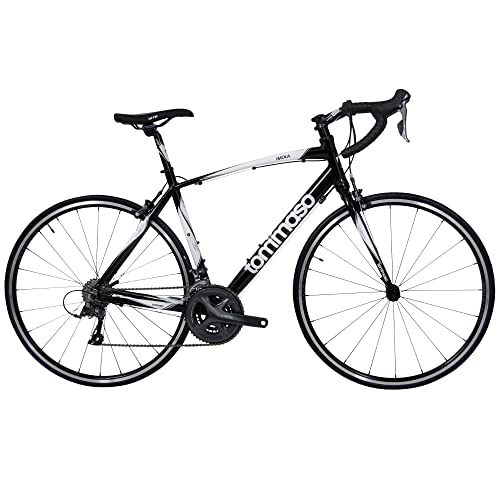
Best Beginner Road Bike (2026): 3 Real Picks You Can Actually Buy Online
A good first road bike is less about the brand on the frame and more about a few basics: a light aluminum frame, a Shimano drivetrain that shifts cleanly, and a fit that suits you. Quality road bikes are surprisingly scarce and pricey on Amazon, so it pays to skip the no-name bargains and stick to real brands. Here are three you can genuinely buy, from an affordable Schwinn to a carbon-fork Tommaso to grow into.