Best Wine Decanter for Beginners (2026): 3 Picks for Better Tasting
A decanter is the easiest way to make a wine taste better, because giving a young red some air softens its tannins and opens up the aromas you are trying to taste. You do not need to spend much to get the benefit, just a vessel with a wide base or a built-in aerator. Here are three good ones, from a simple carafe to an elegant crystal decanter.
HobbyStack may earn a commission from links on this page at no extra cost to you. Our picks are chosen on merit; the commission helps fund the research.
- Decanting aerates the wine: exposing it to air softens tannins and releases aromas, which makes young reds taste noticeably better.
- A wide base or a built-in aerator is what matters. It increases the surface area in contact with air.
- Decant young, bold reds. Skip it for delicate old wines and most whites, where air does little or can hurt.
- Even 15 to 30 minutes of decanting makes a clear difference on a young red.
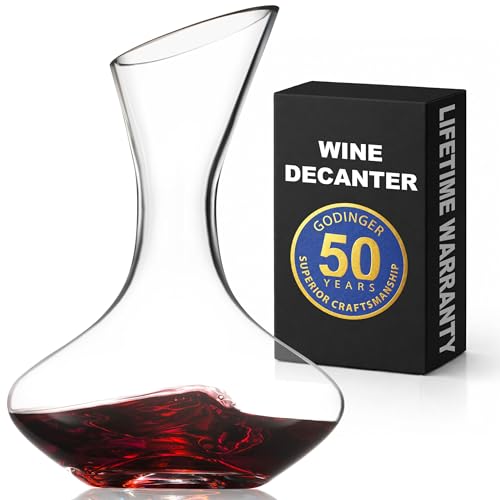 Godinger Hand-Blown Wine Decanter CarafeThe cheapest way to decant$34Check price
 Our pickCork & Mill Wine Decanter Set with StandThe giftable set most people want$50Check price
 Le Chateau Crystal Wine Decanter with AeratorAn elegant decanter you grow into$68Check price
Decanting sounds fussy, but the reason behind it is simple and it is the most useful thing a beginner taster can do. When you pour wine into a decanter, you expose it to air, and that does two things: it softens the harsh, mouth-drying tannins in young red wines, and it lets the aromas open up so you can actually smell (and therefore taste) more of what is there. A tight, closed young red can transform after twenty minutes of air, which is exactly the kind of before-and-after that teaches your palate.
What makes a decanter work is surface area, so the shape matters more than the price. A wide base lets more wine touch the air, and many beginner-friendly decanters add a built-in aerator that mixes in air as you pour for an instant effect. Two things to keep in mind: decant young, bold reds (Cabernet, Syrah, Malbec and the like), but go easy on delicate old wines and most whites, where lots of air does little or can even flatten them. And you do not need long, even fifteen to thirty minutes helps.
 Best budget decanter
Godinger Hand-Blown Wine Decanter Carafe
The cheapest way to taste the difference decanting makes. This hand-blown carafe has the wide base that gives young reds room to breathe, and it looks smart on the table without costing much. It does the one job a decanter needs to do, and for a beginner curious about whether air really changes a wine, it is the perfect low-commitment start.
What's good
- Wide base aerates young reds well
- Hand-blown glass looks smart
- Very affordable
- Does the core job with no fuss
What's not
- No built-in aerator or stand
- Plain design without extras
 Best for most beginners
Cork & Mill Wine Decanter Set with Stand
The set that looks the part and covers the details. Beyond a well-shaped decanter that aerates young reds nicely, this set adds an acacia wood stand (handy for drying and for presentation) and a stopper to keep an opened bottle fresh. It is the no-overthinking pick and a genuinely nice gift, giving a beginner everything to decant properly and store it neatly.
What's good
- Well-shaped decanter for good aeration
- Includes a wood stand and a stopper
- Looks great and gifts well
- A complete little set
What's not
- Costs more than a plain carafe
- Hand-wash recommended
 Best to grow into
Le Chateau Crystal Wine Decanter with Aerator
The decanter you keep out on display. Le Chateau makes an elegant lead-free crystal decanter with a wide, aerating base and a graceful shape that pours cleanly and looks beautiful on a table. It is more than a beginner strictly needs, but if you already love wine and want one lovely piece to grow into, the crystal quality and the pour make it a lasting pleasure rather than a gadget.
What's good
- Elegant lead-free crystal
- Wide base aerates reds beautifully
- Graceful, clean-pouring shape
- A keep-and-display piece
What's not
- Premium price
- Delicate crystal needs careful hand-washing
Decanting helps young, bold red wines most: the air softens their tannins and opens the aromas. Go easy with delicate older wines (a lot of air can tire them out) and with most whites, where it does little. When in doubt on a young red, give it 20 to 30 minutes in the decanter and taste the difference.
Which to buy: just want to taste what decanting does for as little as possible? The Godinger carafe is all you need. Want a nicer set with a stand and stopper that also makes a great gift? The Cork & Mill set is the easy pick. Already love wine and want one elegant crystal piece to keep? The Le Chateau decanter.
Before you buy
Decant young, bold reds (Cabernet, Syrah, Malbec) about 20 to 30 minutes before drinking.
Pour slowly down the side of the decanter to bring in air gently and leave any sediment behind.
Go easy decanting delicate old wines and most whites, where too much air does little or can flatten them.
Rinse with warm water (skip the soap) and air-dry upside down on a stand to avoid a soapy aftertaste.
Wine decanter questions
What does a wine decanter actually do?
Which wines should I decant?
How long should I decant a wine?
Do I need an expensive decanter?
What is the difference between a decanter and an aerator?
How do I clean a decanter?
For most beginners the Cork & Mill decanter set is the pick: a well-shaped decanter with a stand and stopper that works well and gifts even better. Just want to taste what decanting does for the least? The Godinger carafe is all you need. Already love wine and want one elegant crystal piece? The Le Chateau. Whatever you choose, decant young reds for 20 to 30 minutes and taste the difference.
Ready to actually do it?
The first wine tasting quest takes an evening, and it tells you whether the gear was worth it better than any review can.
Start Wine TastingThe HobbyStack editorial team researches each guide against manufacturer specifications, published resources and practitioner sources. Every product is checked for availability and described against its current listing before publication, and prices are re-checked when guides are updated.
About our editorial process →More gear guides
All guides
Best Corkscrew (2026): Waiter's Friend, Lever, or Electric
Three genuinely different mechanisms solve the same problem, and the cheapest one is what every sommelier in the world carries. That is not thrift or tradition. A waiter's friend gives you feel — you can tell when a cork is crumbling and change what you are doing — and the powered options cannot.
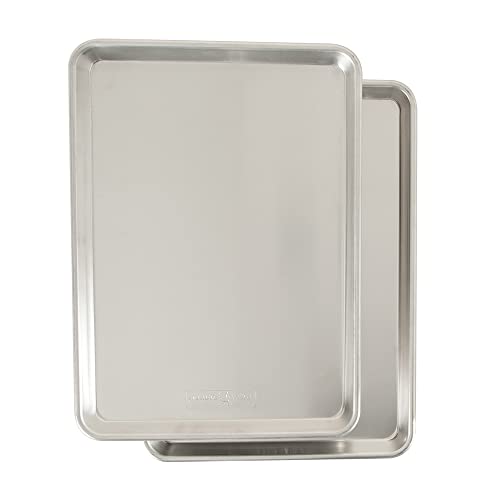
Best Baking Sheet for Beginners (2026): Why Half-Sheet Aluminium Wins
A baking sheet is the most-used pan in most kitchens and the one people spend least time choosing. The cheap ones warp with a bang the first time they hit a hot oven, and a warped sheet cooks unevenly forever after. The fix is not expensive: a heavy half sheet in bare aluminium with a rolled rim, which is what professional kitchens have used for decades.

Best Beginner Stand Mixer 2026: KitchenAid Artisan vs Classic vs Pro 600
Stand mixers are a one-time purchase that lasts decades. Pick the right KitchenAid (it's almost always going to be a KitchenAid) and you'll never need to think about it again. Pick wrong and you'll end up reselling and rebuying within 5 years.

Best Kitchen Scale for Baking 2026: Escali vs Ozeri vs OXO
A kitchen scale is the single most important tool in baking: weight is exact where measuring cups aren't, and switching to grams is the fastest way to make your recipes finally come out the same every time. The good news: accuracy is basically a solved problem, so the real choice isn't which scale weighs best (they're all spot-on) but which features you want. Here's the honest breakdown.
Best Mixing Bowls for Baking (2026): Stainless, Glass or Plastic
Mixing bowls are the piece of kit people own by accident — whatever came with the house, in whatever sizes. It mostly does not matter, with one real exception: plastic bowls will stop egg whites whipping, and almost nobody is told why. Beyond that it is about weight, nesting, and owning three rather than one.
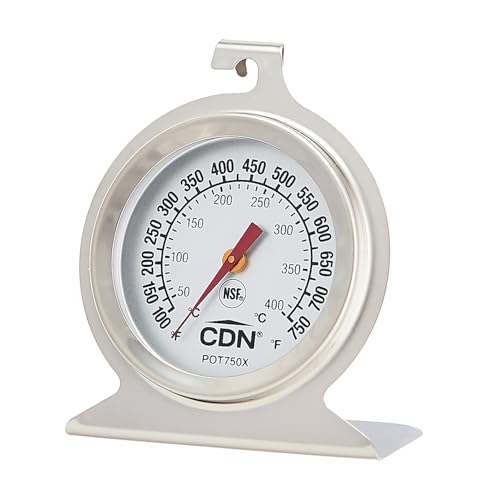
Best Oven Thermometer (2026): Your Oven Is Probably Lying to You
Set a home oven to 350°F and there is a good chance it is sitting anywhere between 315 and 390. The dial is a request, not a measurement, and the difference is the reason a recipe that works for everyone else comes out pale and raw in the middle at your house.