Best Cordless Drill for Woodworking 2026: Ryobi vs DeWalt vs Milwaukee
A cordless drill is the first power tool most woodworkers buy: it drives screws, bores pilot holes for joinery, and assembles your projects. The trick is choosing the right one for a wood shop without overbuying. Here are three picks, and the battery-ecosystem decision that matters more than the drill itself.
HobbyStack may earn a commission from links on this page at no extra cost to you. Our picks are chosen on merit; the commission helps fund the research.
- For most beginners, the DeWalt 20V MAX XR DCD800 (~$179) is the pick — a brushless motor (more power, longer life) and an ecosystem you can grow into.
- On a budget, the Ryobi ONE+ 18V (~$99) is the smart start — the ONE+ battery platform shares with 200+ tools, so it's the cheapest way into a system you'll expand.
- Going pro? The Milwaukee M18 FUEL Hammer Drill (~$249) adds hammer mode and the most torque — overkill for hobby woodworking, right if you also renovate.
- The battery, not the drill, is the real decision. You're buying into an ecosystem — every future cordless tool should share the same battery, so pick the platform you'll grow with.
- Skip: sub-$50 no-name drills (weak, short battery life, dead within a year); a corded drill as your only drill (cordless does 95% of beginner work); 12V 'subcompact' drills as your primary (fine as a second, underpowered as a first).
 Our pickDeWalt 20V MAX XR DCD800Most beginners$237Check price
 Ryobi ONE+ 18V Drill/DriverStarting out$100Check price
 Milwaukee M18 FUEL Hammer DrillGoing pro$289Check price
Why the drill matters less than the battery
A cordless drill/driver is the right first power tool because it does two jobs — drilling holes and driving screws — and handles roughly 80% of beginner projects on its own. But here's the thing nobody tells you: the drill is the least important part of the decision. You're really choosing a battery ecosystem.
Every cordless tool brand uses its own battery, and once you own two or three batteries you're effectively locked into that brand — your future circular saw, sander, and impact driver should all share them. So the real question isn't 'which drill is best?' but 'which platform do I want my next ten tools to live on?' DeWalt 20V MAX, Milwaukee M18, and Ryobi ONE+ are all huge, well-supported ecosystems; you won't go wrong with any of them, but you should pick deliberately.
Two specs actually matter on the drill itself. Brushless vs brushed motors: brushless runs cooler, lasts longer, and squeezes more work out of each charge — worth it if you'll use the drill regularly. And ignore the 18V vs 20V marketing: they're the same battery (20V is the peak voltage, 18V the nominal) — not a real difference between brands.
 Best for most beginners
DeWalt 20V MAX XR DCD800
The right balance of power, longevity, and room to grow. The DeWalt DCD800 has a brushless motor — more efficient and longer-lived than the brushed Ryobi — with plenty of torque for driving long screws and boring into hardwood. It anchors the DeWalt 20V MAX platform, one of the two biggest pro ecosystems, so your next saw, sander, or impact driver can share batteries. It costs more than the Ryobi, but it's the drill you won't outgrow and the system most likely to still be current in ten years.
What's good
- Brushless motor — more power and runtime, longer life
- Anchors the huge DeWalt 20V MAX ecosystem
- Plenty of torque for hardwood and long screws
- Better ergonomics and balance than the budget pick
- The drill you won't outgrow
What's not
- Nearly double the price of the Ryobi
- No hammer mode (fine — woodworking rarely needs it)
- Bare-tool deals tempt you, but you need a battery + charger
 Best under $100
Ryobi ONE+ 18V Drill/Driver Kit
The smartest cheap start — not because the drill is special, but because of what it plugs into. The Ryobi ONE+ platform shares one battery across 200+ tools, more than any other ecosystem, so it's the lowest-cost way into a system you can keep expanding for years. The drill itself has a brushed motor (fine for hobby use, just less efficient than brushless) and enough torque for everyday drilling and driving. If you're not sure how far you'll take this, start here — you can add a sander, saw, and trimmer on the same battery for very little.
What's good
- Cheapest way into a real cordless ecosystem
- Ryobi ONE+ shares with 200+ tools — unmatched for expanding
- Plenty of torque for hobby drilling and driving
- Widely available, often bundled with a battery and charger
What's not
- Brushed motor — less efficient and shorter-lived than brushless
- Heavier and less refined than the DeWalt
- Ryobi is consumer-grade, not a job-site pro line
 Going pro
Milwaukee M18 FUEL Hammer Drill
More drill than hobby woodworking needs — and exactly right if you also do home renovation. The Milwaukee M18 FUEL is a brushless hammer drill: the most torque of the three, an all-metal chuck, and a hammer mode for drilling into masonry and concrete (which the other two can't do). The M18 platform is the pro-favourite ecosystem alongside DeWalt. Buy it if 'beginner woodworker' is really 'beginner woodworker who's also fixing up a house' — otherwise the DeWalt does everything you need for less.
What's good
- Most torque and power of the three
- Hammer mode for masonry and concrete
- All-metal chuck, pro-grade build
- Anchors the pro-favourite Milwaukee M18 ecosystem
What's not
- Overkill (and overweight) for pure hobby woodworking
- The most expensive option here
- You’ll pay for capability you may never use
Before you pick a drill, pick a platform. Whatever brand you choose, your next cordless tools — impact driver, circular saw, sander — should run on the same battery, because batteries are half the cost of every tool. DeWalt 20V MAX, Milwaukee M18, and Ryobi ONE+ are all safe, long-lived ecosystems. Choosing deliberately now saves you from owning three chargers and three incompatible battery piles later.
How to choose between the three
Pick the DeWalt DCD800 if you want one drill that does everything a hobby woodworker needs and a platform you can build on for years. Brushless, powerful, the safe default.
Pick the Ryobi ONE+ if budget is the priority or you're not yet sure how deep you'll go. The drill is merely good, but the ecosystem is the best value in cordless — you can add a dozen tools cheaply on the same battery.
Pick the Milwaukee M18 FUEL if your projects spill beyond woodworking into renovation and masonry, or you simply want pro-grade power and the M18 ecosystem. Hammer mode is the deciding feature.
Whichever you choose: buy the kit with two batteries and a charger, not the bare tool. A bare-tool deal looks cheaper until you realise a battery + charger costs as much as the drill.
Before you buy
A drill/driver is not an impact driver. The drill bores holes and drives screws with a clutch; an impact driver is a separate tool for high-torque driving. Start with the drill; add an impact driver later if you drive a lot of long screws.
Buy the 2-battery kit. Two batteries mean one charges while you work. A bare tool plus a separate battery and charger usually costs more than the kit.
Brushless is worth it if you'll use it weekly. For occasional projects, a brushed motor (like the Ryobi's) is perfectly fine.
Ignore the 18V vs 20V label. It's the same battery measured two ways — not a real difference between brands.
Get a basic drill/driver bit set ($15–20) at the same time — twist bits for pilot holes, driver bits for screws. The drill is useless without them.
Common questions about beginner cordless drills
Drill/driver or impact driver — which do I need first?
Is a brushless motor worth the extra money?
What's the difference between 18V and 20V drills?
How many batteries do I need?
Do I really need cordless, or is a corded drill fine?
Does the brand really matter, or can I mix and match?
For most beginners, the DeWalt 20V MAX XR DCD800 is the buy — brushless, powerful, and a platform you won't outgrow. On a budget? The Ryobi ONE+ is the cheapest way into a huge ecosystem. Also renovating? The Milwaukee M18 FUEL adds hammer mode and pro-grade power. Whichever you pick, choose the battery platform deliberately — that's the decision you'll live with.
Ready to actually do it?
The first woodworking quest takes an evening, and it tells you whether the gear was worth it better than any review can.
Start WoodworkingThe HobbyStack editorial team researches each guide against manufacturer specifications, published resources and practitioner sources. Every product is checked for availability and described against its current listing before publication, and prices are re-checked when guides are updated.
About our editorial process →More gear guides
All guides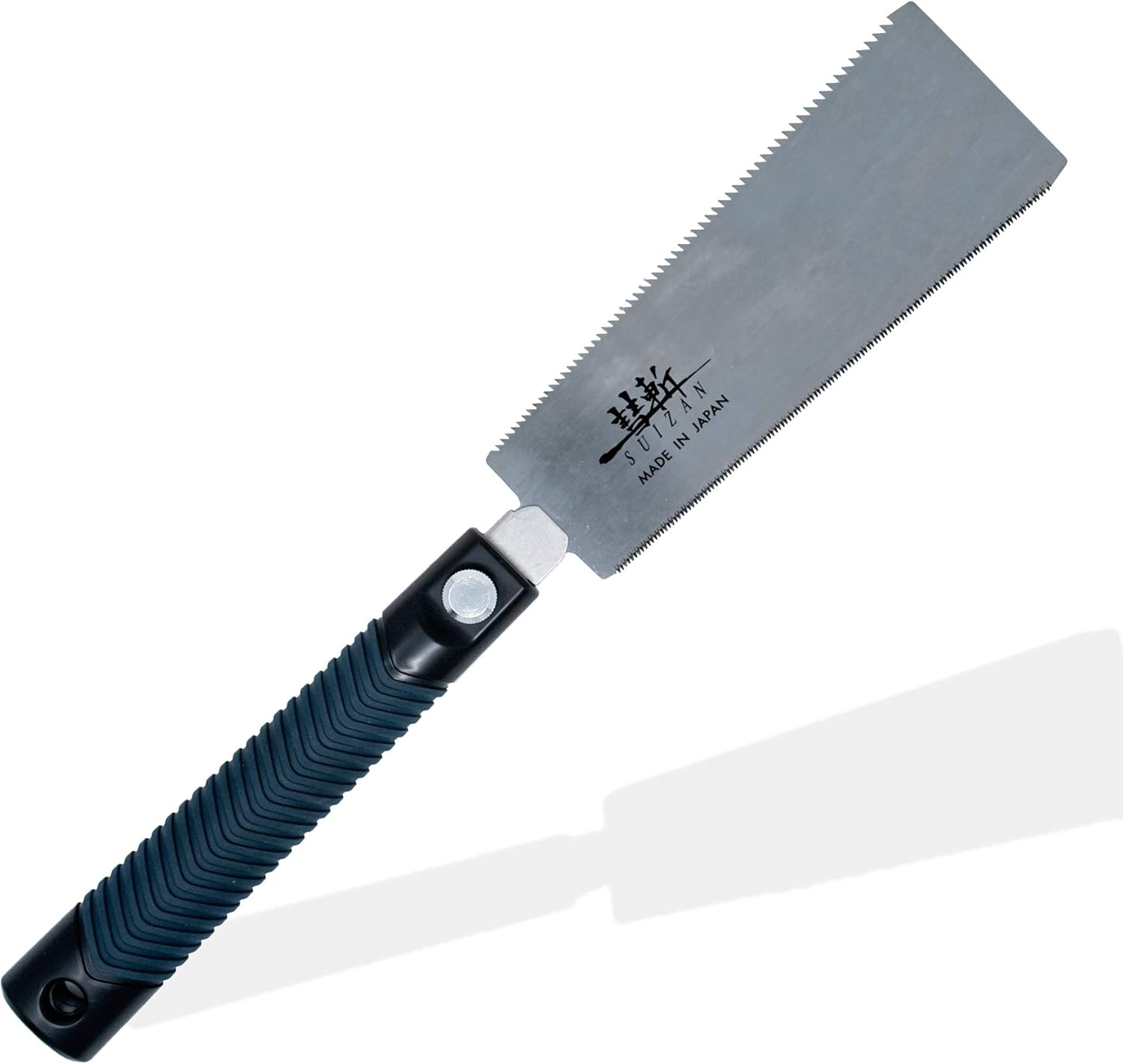
Best Hand Saw for Woodworking 2026: Japanese Pull Saw vs Western
A good hand saw is the most-used tool in beginner woodworking, and the first decision is the stroke: Japanese pull saws cut on the pull (thin kerf, easy control) while Western saws cut on the push (faster through rough stock). Here are three picks and which stroke fits the work you'll actually do.

Best Miter Saw for Woodworking 2026: Metabo vs DeWalt DWS779 vs Festool Kapex
A miter saw makes the fast, accurate, repeatable crosscuts that turn rough boards into furniture parts, the second power tool most woodworkers buy after the drill. Here are three picks, from an honest sub-$160 starter to the finish-carpenter's dream, plus how much saw your woodworking actually needs.

Best Beginner Woodworking Chisels 2026: REXBETI vs Irwin Marples vs Narex
A set of bench chisels is one of the first hand tools every woodworker needs: they pare joints, clean up saw cuts, and do the detail work a saw can't. Here are three beginner picks you can buy on Amazon, from a cheap set that includes its own sharpening stone to a buy-it-once Czech set, plus the four sizes you actually need.

Best Circular Saw for Beginners 2026: SKIL vs DeWalt 20V vs Makita
A circular saw is the workhorse of a beginner's shop, it breaks down plywood and makes the rough cuts a miter saw is overkill for. The first decision is the cord: corded gives you consistent power at the lowest price, cordless gives you go-anywhere freedom for more money. Here are three picks, and the blunt truth that a cheap saw plus a good blade beats an expensive one used carelessly.

Best Squares for Woodworking (2026): Speed Square or Combination Square
A speed square and a combination square are not two grades of the same tool. One is a fast triangle for framing cuts and rafter angles, the other is an adjustable square for laying out joints, checking depth and marking parallel lines. Most people buy the wrong one first because the cheap one looks like the beginner version, and it is not.

Best Tape Measure for Woodworking (2026): The Loose Hook Is Not Broken
The hook on the end of a tape measure wobbles, and every woodworker eventually decides theirs is worn out and tries to squeeze it tight. It is supposed to move. That small piece of slop is a deliberate correction, and crimping it is one of the quickest ways to make every measurement you take slightly wrong.