Best Camera Tripod for Beginners (2026): 3 Real Picks
A tripod unlocks the shots you cannot get handheld: long exposures, low light, sharp landscapes, self-portraits, and steady video. The good news is a beginner does not need a $600 one. Any stable tripod that holds your camera perfectly still does the core job; what more money buys is less weight, faster setup, and a sturdier hold as your gear grows. Here are three across the range, plus what actually matters when you choose.
HobbyStack may earn a commission from links on this page at no extra cost to you. Our picks are chosen on merit; the commission helps fund the research.
- A tripod's job is to hold your camera perfectly still. That unlocks long exposures, low light, and sharp landscapes.
- Stability versus portability is the tradeoff. Heavier is steadier; lighter is easier to carry. Pick for how you shoot.
- Check the load capacity. It must comfortably hold your camera plus heaviest lens, with margin to spare.
- A ball head is the easy default. Quick to aim, and get one with an Arca-Swiss quick-release plate.
 K&F Concept 75" Aluminum Camera TripodLearning long exposures without spending much$29Check price
 Our pickManfrotto Befree Advanced Travel TripodThe travel tripod you'll actually carry and keep$169Check price
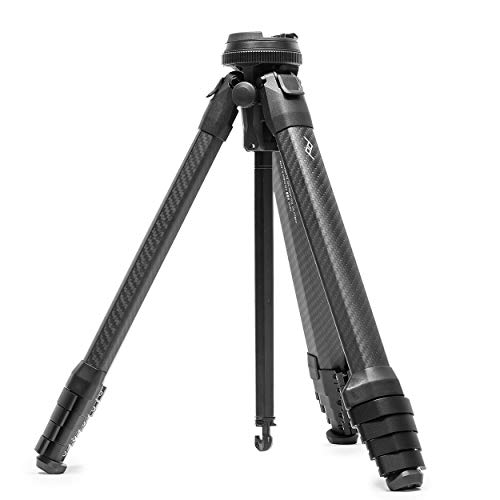 Peak Design Travel Tripod (Carbon Fiber)The lightest, most packable serious tripod$600Check price
A tripod holds your camera dead still, which is what makes long exposures (silky water, night skies, light trails), low-light shots, sharp landscapes, focus stacking, and self or group portraits possible. A few specs decide whether one is any good. Load capacity should comfortably exceed your camera-plus-heaviest-lens weight, with margin, or the tripod will sag and vibrate. Max height ideally reaches your eye level without cranking the flimsy center column up too far. Folded length and weight decide how packable it is. And material is the big price lever: aluminum is cheaper and heavier, while carbon fiber is lighter, pricier, and damps vibration better. For a beginner, an aluminum tripod that is stable and tall enough is all you need, and carbon is a want, not a need.
The head is how you aim the camera, and a ball head is the easy, versatile default: loosen one knob, point anywhere, lock it. Get one with an Arca-Swiss quick-release plate, the near-universal standard, so you can clip the camera on and off in a second. Pan-tilt heads are better for precise video and panoramas but slower for everyday photos. Leg locks come as twist or flip, and both are fine (twist packs more compactly, flip is faster with gloves). Then choose by how you shoot: a cheap aluminum tripod is a genuinely fine start for occasional use at home, a mid travel tripod that is lighter, packs small, and feels sturdier is the one you will actually carry and keep, and a premium carbon travel tripod is for people who hike with a camera and want the lightest stable setup. Here are three good ones.
 Best budget start
K&F Concept 75" Aluminum Camera Tripod
The cheap tripod that gets you shooting. This K&F Concept is aluminum, extends tall enough to shoot at a comfortable height, folds down for travel, and includes a ball head with a quick-release plate, so it holds a mirrorless or entry DSLR fine. For learning long exposures, night shots, and self-portraits at home, it does the whole job for very little money. The catch is what you would expect at the price: it is heavier and less rock-steady than pricier tripods, the center column can wobble at full height in a breeze, and the build feels budget. But it is a real, usable tripod for the price of a couple of coffees, and the best way to find out whether you will actually use one before spending more.
What's good
- Genuinely cheap way to start using a tripod
- Tall enough, and folds down for travel
- Ball head with a quick-release plate included
- Holds a mirrorless or entry DSLR fine
What's not
- Heavier and less steady than pricier tripods
- Center column can wobble at full height
 Best for most people
Manfrotto Befree Advanced Travel Tripod
The travel tripod you will actually carry, and keep for years. From Manfrotto, one of the most trusted names in support, the Befree Advanced folds down to around 16 inches, is light enough to bring along, and is far sturdier and better built than any budget tripod, with a proper ball head and an Arca-Swiss quick-release plate. It holds a mirrorless or DSLR with a decent lens solidly, without the wobble cheap tripods have. This is the sweet spot: portable enough that you will take it, sturdy enough that you will trust it with your camera, and durable enough that you will not replace it as you improve. The catch is that it is aluminum, so not the lightest option, and it is a real step up in price from a budget tripod.
What's good
- Packs small (~16 in) and light enough to carry
- Far sturdier and better built than budget tripods
- Proper ball head with an Arca-Swiss plate
- Trusted brand, a genuine buy-once keeper
What's not
- Aluminum, so not the lightest travel tripod
- A real step up in price from budget options
 Best for travel & hiking
Peak Design Travel Tripod (Carbon Fiber)
The lightest, most packable serious tripod, for people who hike or travel with a camera. Carbon fiber keeps the weight down and damps vibration, and Peak Design's ingeniously compact design packs it down to roughly the size of a water bottle, far smaller than a normal tripod of the same height. Setup is fast, the low-profile ball head is clever and secure, and it comes from a brand known for durable, thoughtfully engineered gear. For someone who wants the least weight and bulk without giving up stability, it is the best there is. The catch is the obvious one: it is expensive, and its clever engineering is more than a beginner or a home shooter will use. But if you carry a tripod far and often, it earns its price in the pack.
What's good
- Carbon fiber: light and damps vibration
- Packs to roughly water-bottle size
- Fast setup and a clever low-profile head
- Durable, thoughtfully engineered, buy-once
What's not
- Expensive, well beyond a beginner's needs
- Clever design is wasted on a home shooter
Most good tripods use an Arca-Swiss plate, a near-universal shape that clips your camera on and off in a second and works across brands and heads. If you buy a tripod with a proprietary plate, you are locked to that brand's system, so prefer Arca-Swiss unless you have a strong reason not to.
Before you buy
Check the load capacity against your heaviest lens. It should exceed your kit weight with margin.
Get enough height without the center column. Raising it too far is where tripods wobble.
Prefer an Arca-Swiss quick-release plate. It is the near-universal, cross-brand standard.
Heavier is steadier; lighter is more likely to come with you. Be honest about how you'll use it.
Common questions
Do I really need a tripod?
Aluminum or carbon fiber?
Ball head or pan-tilt head?
How tall should a tripod be?
For most beginners who'll actually carry a tripod, the Manfrotto Befree Advanced is the one to buy: portable, sturdy, well-built, and a keeper. The K&F Concept is a genuinely fine cheap start for learning at home, and the Peak Design Travel Tripod is the pick if you hike with a camera and want the lightest serious setup. Whatever you choose, check it holds your heaviest lens and uses an Arca-Swiss plate.
Ready to actually do it?
The first photography quest takes an evening, and it tells you whether the gear was worth it better than any review can.
Start PhotographyThe HobbyStack editorial team researches each guide against manufacturer specifications, published resources and practitioner sources. Every product is checked for availability and described against its current listing before publication, and prices are re-checked when guides are updated.
About our editorial process →More gear guides
All guides
Best Beginner Mirrorless Camera 2026: Canon EOS R50 vs Sony ZV-E10 II
The best beginner mirrorless camera teaches you photography, not menus. It needs reliable autofocus, a grip that makes sense, and enough image quality to reward good technique. The Canon EOS R50 with its kit lens is the right camera for most people who are just starting out. Here's why, and who should buy something different.

Best Camera Bag for Beginners (2026): How You Get At Your Kit
Most people buy a camera bag on capacity and regret it on access. The question that decides whether a bag gets used is how you reach the camera: if getting the body out means putting the bag on the ground and unpacking it, you will leave the camera in the bag and stop taking pictures. Everything else — padding, weather cover, laptop sleeve — is secondary to that.

Best First Camera Lens for Beginners (2026): 3 Nifty Fifties by Mount
The kit zoom that came with your camera is fine, but a cheap, fast prime lens is the upgrade that suddenly makes your photos look better. The classic first buy is a 'nifty fifty': a 50mm f/1.8 lens that is sharp, tiny, brilliant in low light, and cheaper than almost anything else you can put on your camera. The one catch is that lenses are not universal, so you have to match the lens to your camera's mount. Here are three good first primes in ascending price, plus how to find the right one for your camera brand.
Best SD Card for Photography 2026: SanDisk Extreme PRO vs Ultra vs Sony TOUGH
A memory card is the one piece of gear that, if it fails, costs you the photos themselves: so it's worth getting right, even though it's the cheapest thing in the bag. The good news: the choice comes down to speed class, and most photographers need far less than the marketing implies. A fast V30 UHS-I card handles burst stills and 4K; UHS-II is a video upgrade most cameras can't even use. Here's the honest breakdown.

Best Remote Shutter Release (2026): Check the Mount Before Anything Else
At macro magnifications, pressing the shutter button is enough to blur the shot. Depth of field is measured in millimetres and any vibration you introduce is magnified along with the subject, which is why a remote release is not a convenience here the way it is in normal photography. The catch is that these are not universal, and the compatibility list is the whole purchase.

Best Drawing Tablet for Beginners 2026: XP-Pen Deco vs Wacom Intuos vs Huion Kamvas
Your first drawing tablet is where digital art begins, and the first decision is the big one: a screenless pen tablet (cheaper, lighter, what most pros use) or a pen display you draw directly on (instantly natural, but two to four times the price). The honest answer for almost everyone is start screenless. Here are three picks and which one fits where you are.