Best Squares for Woodworking (2026): Speed Square or Combination Square
A speed square and a combination square are not two grades of the same tool. One is a fast triangle for framing cuts and rafter angles, the other is an adjustable square for laying out joints, checking depth and marking parallel lines. Most people buy the wrong one first because the cheap one looks like the beginner version, and it is not.
HobbyStack may earn a commission from links on this page at no extra cost to you. Our picks are chosen on merit; the commission helps fund the research.
- Speed square: fast 90s and 45s, rafter angles, and a fence to run a circular saw against.
- Combination square: adjustable, so it marks depth, gauges parallel lines and checks inside corners.
- For joinery, the combination square is the one that earns its place. For framing, the speed square is.
- Check any square against itself before trusting it — flip test, twice, on a straight edge.
- A knife line beats a pencil line. It is thinner and it gives the chisel somewhere to land.
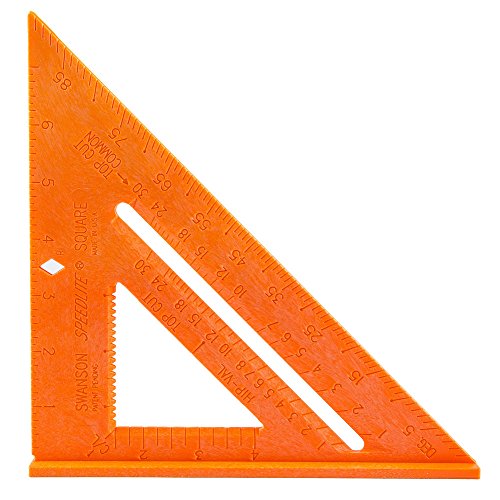 Swanson Speedlite 8"Framing and saw guiding$5Check price
 Our pickIrwin Combination Square 6"Most woodworking$15Check price
 Starrett Combination Square 12"Precision work$179Check price
Two different tools, not two price points
A speed square is a fixed triangle with a lip on one edge. You hold the lip against the board and mark, which gives a fast, reliable 90 or 45 without any setting up. Its second job is as a saw fence: hold it against the edge and run a circular saw base along it for a square crosscut. It also carries a rafter table and a pivot point for laying out roof angles.
What it cannot do is anything adjustable.
A combination square has a blade that slides through and locks in the head. That single feature turns it into several tools: set the blade to a depth and it gauges the same depth repeatedly; run the head along an edge with a pencil at the blade tip and it marks a line parallel to that edge; stand the blade up in a corner and it checks whether the corner is actually square; and the head has a 45 face for mitres.
For framing and construction, the speed square. For furniture and joinery, the combination square, and it is not close.
Check the square before you trust it
A square that is not square will make every joint in a project wrong by the same amount, and you will not notice until things do not close up. New squares are not automatically accurate, including expensive ones dropped in transit.
The test costs nothing. Take a board with one known-straight edge. Hold the square against that edge and draw a line. Then flip the square over, line it up against the same point on the same edge, and draw again.
If the two lines sit exactly on top of each other, the square is square. If they diverge into a narrow V, the error is half the angle you are seeing — which is why this test catches errors far too small to spot by eye.
Do it when the square is new and again after it has been dropped. A cheap square that passes is more useful than an expensive one that has been knocked off the bench and never checked.
 Best for framing and saw guiding
Swanson Tool Co T0118 8 inch Orange Composite Speedlite Speed
The plastic version of the classic speed square, moulded in high-impact composite rather than cast in aluminium, and at eight inches it is the larger size sold for siding work — long enough to guide a circular saw across a wide board, where the common seven-inch runs out. It has the useful details: a centre-line guide for finding the middle of round stock, notches at eighth-inch spacing for scribing repeated lines, and a bevelled edge that makes the markings easier to read. Being composite it is light and cheap and will not corrode, but it is softer than aluminium, so a saw base run against it repeatedly wears the edge and dropping it on concrete can chip a corner. Check it after any hard knock.
What's good
- Eight inches — guides a saw across wider boards
- Centre-line guide and eighth-inch scribing notches
- Light, cheap, and will not corrode
- Bevelled edge is easy to read
What's not
- Composite is softer than aluminium and wears
- A drop onto concrete can chip a corner
- Nothing adjustable — no depth or parallel marking
- Wrong tool for fine joinery
 Best for most woodworking
IRWIN Tools Combination Square
A metal-bodied combination square at the price cheap plastic ones sell for, and the metal body is the reason to choose it — plastic heads flex a little under hand pressure, which is precisely the error a square exists to prevent. Cast zinc head, stainless blade, and etched black scales rather than printed ones, so the markings stay readable after the blade has been rubbed against timber for a few years. Six inches is the right length for furniture work: long enough for most joints, short enough to use one-handed in a tight spot. It is not a precision instrument and the lock can need a firm hand to stay put, so check it with the flip test when it arrives. For laying out joinery, this is the tool that earns its place on the bench.
What's good
- Metal body — does not flex like plastic heads
- Etched scales stay readable for years
- Six inches suits furniture work one-handed
- Adjustable: depth, parallel marking, inside corners
What's not
- Not a precision instrument — check it on arrival
- Lock needs a firm hand to stay set
- Six inches is short for long layout work
- Blade can be a little stiff to slide at first
 Best for precision
Starrett Steel Combination Square
The square other squares are checked against, and the price reflects a genuinely different class of tool rather than a badge. The hardened steel blade carries a 4R graduation — eighths, sixteenths, quick-reading thirty-seconds and sixty-fourths — which matters because at that resolution you can mark to a tolerance the tool can actually hold. Twelve inches covers long layout the six-inch cannot, and the head does the whole range of jobs: scribing right angles and parallels, tri-squaring, mitring, depth and height gauging, and levelling. It is heavy, which helps it sit still. The honest caveat is that most woodworking does not need this: wood moves seasonally by more than the difference between this and the Irwin. Buy it for machine setup and fine joinery.
What's good
- 4R graduations down to sixty-fourths
- Twelve inches covers long layout work
- Hardened steel, built to stay accurate for decades
- Depth gauge, height gauge, mitre and level in one head
What's not
- Wood moves more than the accuracy it adds
- Twelve times the Irwin
- Heavy for one-handed use in tight spots
- Overkill for anything but fine work and machine setup
A pencil line is about half a millimetre wide, so cutting "on the line" means choosing which half. A marking knife severs the surface fibres and leaves a line with no width, and it gives a chisel a wall to drop into — put the chisel in the knife line and it registers itself. On any joint that has to close up, knife the shoulder lines and pencil only what you are not cutting to.
The marking tools that go with the squares
A square gives you the angle. Three other cheap things make the line worth having.
A marking knife. The single biggest improvement available to a beginner's joinery, for a few pounds. Thin line, and a wall for the chisel.
A marking gauge scores a line at a set distance from an edge, over and over, identically. Mortises, tenon cheeks and rebates all depend on that repeatability, and a combination square can approximate it but not match it.
A sharp pencil, and specifically a hard grade sharpened often. A blunt pencil in a knife-cut line defeats the purpose.
And the habit that matters more than the tools: mark the face side and face edge of every board and reference every measurement from those two surfaces. Timber is not perfectly square along its length, so measuring from a different edge each time introduces errors no square can catch.
Before you buy
Framing and saw guiding: speed square. Joinery: combination square.
Flip-test any square when it arrives, and again after any drop.
A metal head beats a plastic one — plastic flexes under hand pressure.
6 inches for furniture work, 12 inches if you lay out long pieces.
Add a marking knife before you upgrade the square. It changes more.
Woodworking square questions
What is the difference between a speed square and a combination square?
How do I check if a square is accurate?
Why use a marking knife instead of a pencil?
Is an expensive combination square worth it?
Decide what you are building before you buy. For furniture and joinery the Irwin six-inch combination square is the one that earns its place — metal-bodied, adjustable, and cheap enough that the flip test is the only thing standing between you and accurate layout. The Swanson speed square is the right tool for framing and for guiding a circular saw, not a cheaper version of the same thing. The Starrett is for fine work and machine setup. Add a marking knife before you upgrade any of them.
Ready to actually do it?
The first woodworking quest takes an evening, and it tells you whether the gear was worth it better than any review can.
Start WoodworkingThe HobbyStack editorial team researches each guide against manufacturer specifications, published resources and practitioner sources. Every product is checked for availability and described against its current listing before publication, and prices are re-checked when guides are updated.
About our editorial process →More gear guides
All guides
Best Cordless Drill for Woodworking 2026: Ryobi vs DeWalt vs Milwaukee
A cordless drill is the first power tool most woodworkers buy: it drives screws, bores pilot holes for joinery, and assembles your projects. The trick is choosing the right one for a wood shop without overbuying. Here are three picks, and the battery-ecosystem decision that matters more than the drill itself.
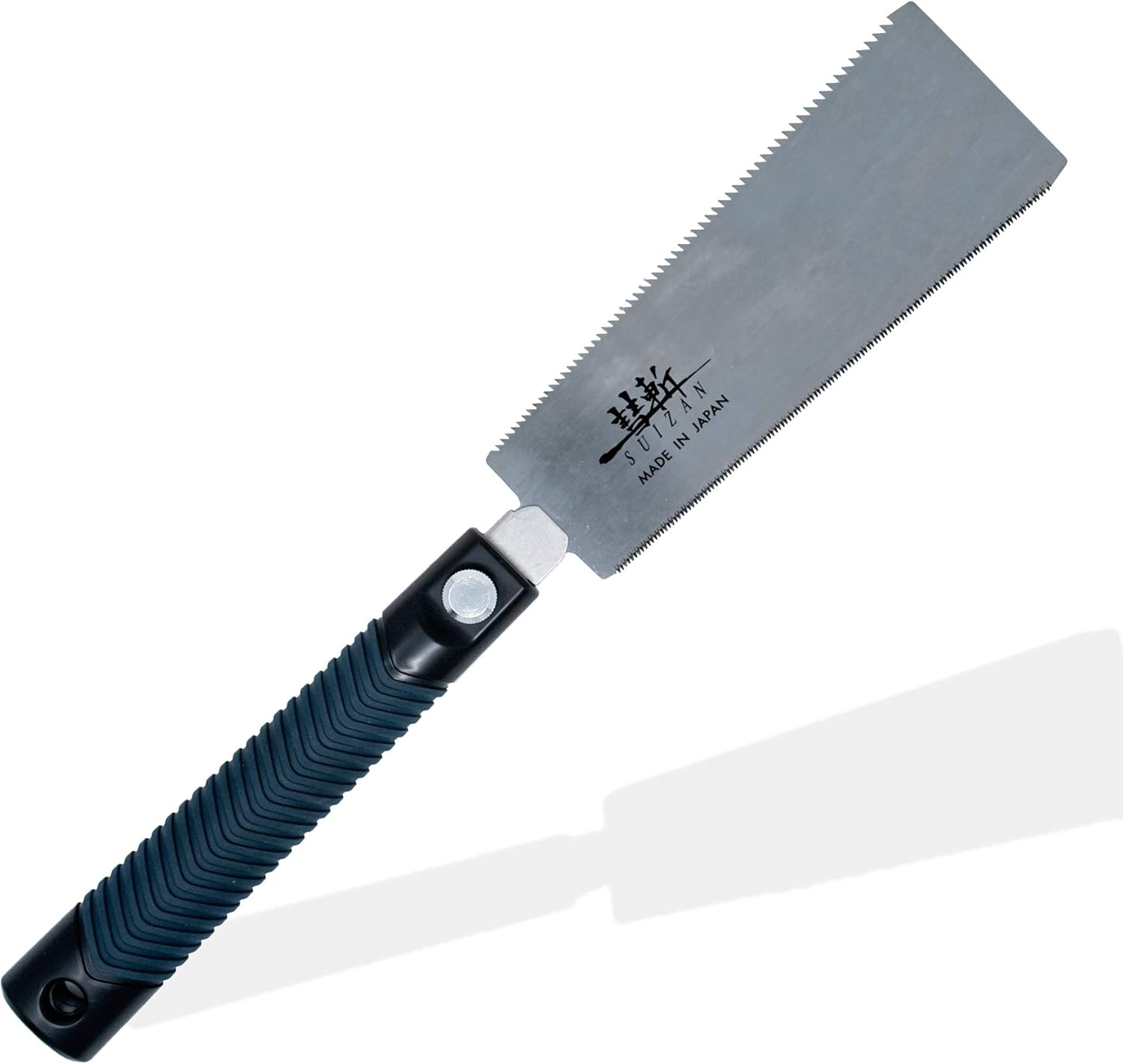
Best Hand Saw for Woodworking 2026: Japanese Pull Saw vs Western
A good hand saw is the most-used tool in beginner woodworking, and the first decision is the stroke: Japanese pull saws cut on the pull (thin kerf, easy control) while Western saws cut on the push (faster through rough stock). Here are three picks and which stroke fits the work you'll actually do.

Best Miter Saw for Woodworking 2026: Metabo vs DeWalt DWS779 vs Festool Kapex
A miter saw makes the fast, accurate, repeatable crosscuts that turn rough boards into furniture parts, the second power tool most woodworkers buy after the drill. Here are three picks, from an honest sub-$160 starter to the finish-carpenter's dream, plus how much saw your woodworking actually needs.

Best Beginner Woodworking Chisels 2026: REXBETI vs Irwin Marples vs Narex
A set of bench chisels is one of the first hand tools every woodworker needs: they pare joints, clean up saw cuts, and do the detail work a saw can't. Here are three beginner picks you can buy on Amazon, from a cheap set that includes its own sharpening stone to a buy-it-once Czech set, plus the four sizes you actually need.

Best Circular Saw for Beginners 2026: SKIL vs DeWalt 20V vs Makita
A circular saw is the workhorse of a beginner's shop, it breaks down plywood and makes the rough cuts a miter saw is overkill for. The first decision is the cord: corded gives you consistent power at the lowest price, cordless gives you go-anywhere freedom for more money. Here are three picks, and the blunt truth that a cheap saw plus a good blade beats an expensive one used carelessly.

Best Tape Measure for Woodworking (2026): The Loose Hook Is Not Broken
The hook on the end of a tape measure wobbles, and every woodworker eventually decides theirs is worn out and tries to squeeze it tight. It is supposed to move. That small piece of slop is a deliberate correction, and crimping it is one of the quickest ways to make every measurement you take slightly wrong.