HobbyStack Gear

Best tools & gear, by hobby

Beginner-first gear roundups. Each guide gives you a budget pick, our recommended pick, and a premium option, with the trade-offs that matter.

279 guides ยท page 5 of 12

Gear guide

Best Topiary Shears for Beginners (2026): Fiskars vs ARS vs Okatsune

Topiary is one of the few hobbies where a bad tool shows up on a living plant a week later. Sharp shears slice clean and heal fast; dull ones crush and brown your crisp shape. Here is what to buy at $22 to $85.

Topiary
Read guide
Gear guide

Best Hobby Knife Set for Models & Dioramas (2026): X-Acto vs Budget Kits

A dull, wobbly blade ruins more parts than any lack of skill. Spend $8 to $52 on a real hobby knife set with sharp blades and a tight collet, and your cuts get clean overnight.

Diorama Building
Read guide
Gear guide

Best Tackle Box for Beginners (2026): 3 Real Picks

A tackle box is where all your lures, hooks, and terminal tackle live, and how you store it shapes how easily you fish. The real question isn't which box is 'best' but how much tackle you carry and how you get to the water: a simple tray box is perfect if you fish from one spot, a backpack is better if you hike or bank-hop, and a modular system is the answer once your collection grows. The key thing to understand is the standard that runs through all of them, the 3700 utility box, which lets you scale storage without starting over. Here are three good options across the range, plus how to choose.

Fishing
Read guide
Gear guide

Best Smoker for Beginners (2026): 3 Real Picks

A smoker is the tool that turns tough, cheap cuts into brisket and ribs by cooking them low and slow in wood smoke for hours. For a beginner, the single most important thing is not size or brand but how easy it is to hold a steady temperature, because that is what low-and-slow really is: keeping a box at 225 to 275 degrees for six to twelve hours. An electric smoker does that almost automatically, which is why it is the easiest place to start; charcoal and pellet give more flavor and control but ask more of you. Here are three good ones across the range, plus what actually matters when you choose.

Bbq Smoking
Read guide
Gear guide

Best Skillet for Beginners (2026): 3 Real Picks

A skillet is the one pan you'll reach for most, so it's worth getting right, and the honest truth is the best skillet depends on what you cook. Cast iron is cheap, lasts forever, and sears beautifully but is heavy and needs care; nonstick makes eggs and delicate food effortless but wears out; carbon steel is the restaurant choice, searing like cast iron but lighter and more responsive. Rather than budget-to-best of one thing, these are three genuinely different pans for three ways of cooking. Here they are, plus how to pick the one that fits your kitchen.

Cooking
Read guide
Gear guide

Best Scuba Mask for Beginners (2026): 3 Real Picks

A scuba mask is the piece of gear you'll want to own before anything else, because a mask that fits your face and doesn't leak is the difference between an easy dive and a miserable one. The single most important thing is fit: a mask seals to the shape of your face, so the 'best' mask is the one that fits you, and price barely factors into that. Beyond fit, a low internal volume makes clearing and equalizing easier, and tempered-glass lenses are non-negotiable for safety. Here are three good masks across the range, plus how to make sure one actually fits before you dive.

Scuba Diving
Read guide
Gear guide

Best Record Cleaning Kit for Beginners (2026): 3 Real Picks

Clean records sound better and last longer, full stop: dust and grime in the grooves cause the crackle and pop people blame on vinyl itself, and they grind against your stylus over time. The question is how deep you want to go. A simple brush-and-fluid kit handles everyday dust; a wet-bath washer deep-cleans thrift finds and neglected records; a cleaning machine does it fastest and best. Here are three good options across the range, plus the one habit that matters more than any of them.

Collecting Vinyl Records
Read guide
Gear guide

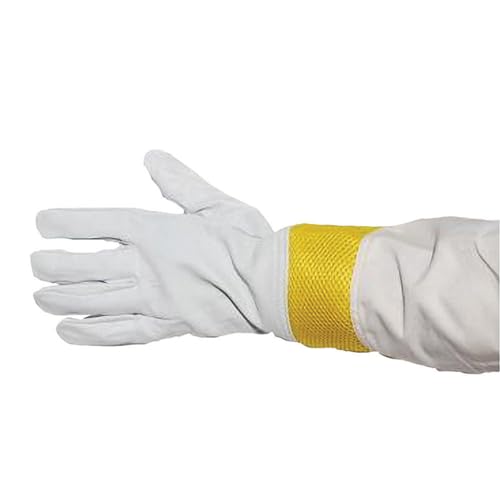
Best Pottery Wheel for Beginners (2026): 3 Real Picks

A pottery wheel is the tool that turns a lump of clay into a bowl, and the good news for a beginner is you do not need a studio-grade machine to learn on. What you actually need is enough motor torque to hold speed when your hands press on the clay, a pedal to control that speed, and a wheel head big enough for the pieces you want to throw. Cheap toy wheels bog down the moment you center clay, which is exactly when a beginner needs steady power. Here are three genuinely capable wheels across the range, plus what actually matters when you choose.

Pottery
Read guide
Gear guide

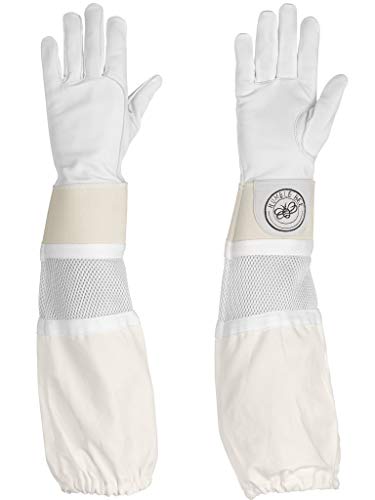
Best Kayak PFD (Life Jacket) for Beginners (2026): 3 Real Picks

A PFD, or personal flotation device, is the one piece of kayaking gear you never skip, and for paddling you want a specific kind: a US Coast Guard-approved Type III paddling vest cut short and high so it doesn't jam against your kayak's seat back or trap your arms. Any approved vest keeps you afloat; what more money buys is ventilation, better arm freedom, and pockets. The most important thing is simply that you wear it, every time, so it has to be comfortable enough that you actually do. Here are three good ones across the range, plus what actually matters when you choose.

Kayaking
Read guide
Gear guide

Best Bike Lights for Beginners (2026): 3 Real Picks

Bike lights do two different jobs, and knowing which you need is the whole decision. A 'be seen' light is a bright blinker that makes cars notice you on lit streets; a 'see the road' light throws a real beam so you can ride on dark, unlit roads and trails. Both should be USB rechargeable and easy to move between bikes. Most commuters need be-seen; anyone riding beyond streetlights needs to actually see. Here are three good options across the range, plus how to pick the brightness that matches where you ride.

Cycling
Read guide
Gear guide
Best Arrows for Beginners (2026): 3 Real Picks

Arrows matter more than beginners expect: the wrong arrows fly badly no matter how good your form, and the single most important thing is not the brand but matching the arrow to your bow. Arrows have a 'spine' (stiffness) and a length that must suit your draw length and your bow's draw weight, or they'll wobble and scatter. Carbon is the right material for almost every beginner (durable and consistent), and you buy them by the dozen because you will lose and break some. Here are three good sets across the range, plus how to get the spine and length right.

Archery
Read guide
Gear guide

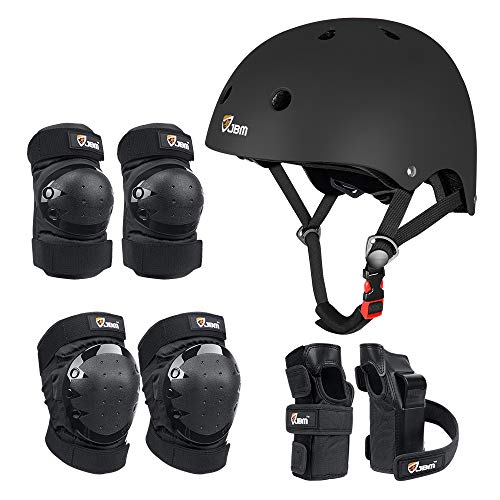
Best Snowboard Helmet for Beginners (2026): 3 Real Picks

A helmet is the one piece of snowboard gear you should never skip and never buy used, and the good news is a solid one is cheap. Any certified snow helmet protects your head in a standard impact; what more money buys is MIPS rotational protection, better fit, venting, and warmth. Most beginners are well served by an inexpensive certified helmet. Here are three good ones across the range, plus what actually matters when you choose.

Snowboarding
Read guide
Gear guide

Best Snowboard Goggles for Beginners (2026): 3 Real Picks

Goggles are not optional on a snowboard: wind, glare, cold, and blowing snow make riding without them miserable and unsafe, and unlike sunglasses they seal to your face and stay put. The good news is you do not need to spend much. Any decent pair blocks UV and wind; what more money buys is better anti-fog, optics that read terrain in flat light, and quick lens swaps for changing conditions. Here are three good ones, plus the one spec that actually matters.

Snowboarding
Read guide
Gear guide

Best Camera Tripod for Beginners (2026): 3 Real Picks

A tripod unlocks the shots you cannot get handheld: long exposures, low light, sharp landscapes, self-portraits, and steady video. The good news is a beginner does not need a $600 one. Any stable tripod that holds your camera perfectly still does the core job; what more money buys is less weight, faster setup, and a sturdier hold as your gear grows. Here are three across the range, plus what actually matters when you choose.

Photography
Read guide
Gear guide

Best Beginner MIG Welder for Metal Sculpture (2026): 3 Real Picks

A MIG welder is the tool that turns a pile of steel into a single joined form, and MIG is the right process to start with because it is by far the easiest arc to learn: pull the trigger, wire feeds automatically, and a bead lays down. Most beginner sculpture is thin mild steel that a 110-volt machine handles from a normal outlet. The real choice is how far you plan to take it. Here are three good ones, all in stock, plus the gear beginners forget.

Metal Sculpture
Read guide
Gear guide

Best Stereo Microscope for Entomology (2026): 3 Real Picks for Studying Insects

The moment you want to identify an insect, you need a stereo microscope, and it is worth being clear that this is the right type. A stereo (or dissecting) microscope gives a low-power, upright, 3D view of a whole specimen on the stage, which is how you examine a pinned beetle or a fly's wing. It is a different tool from the compound microscope from biology class, which magnifies far more but only sees thin slides. For entomology you want roughly 10X to 45X, good working distance, and enough light. Here are three good ones across the range.

Entomology
Read guide
Gear guide

Best Beginner Winemaking Kit 2026: Craft a Brew vs North Mountain vs Master Vintner

Good news first: making wine at home is more forgiving than it sounds, and you don't need a cellar or a chemistry degree to end up with something you'd actually pour for a friend. A starter kit gives you the gear to ferment, rack, and bottle, and you supply the juice or fruit and a little patience. The catch nobody mentions is that "kit" means two different things. Some are all-in-one boxes with the juice included so you can start tonight, and some are just the reusable equipment that expects you to bring your own ingredients. This guide sorts out which is which, and picks three genuinely good ones: the easiest way to try it, the best gear for most beginners, and the full-size rig to grow into.

Winemaking
Read guide
Gear guide

Best Beginner Journal 2026: value 3-pack vs Leuchtturm1917 vs Rhodia

Here is the honest truth about starting a journal: the notebook barely matters. People have filled beautiful journals with a 3 dollar spiral pad, and people have let a 200 dollar leather one sit empty out of fear of ruining it. What keeps you journaling is showing up, not the paper. That said, a notebook that lies flat and does not bleed ink can make the habit feel a little more inviting, and a bad one can quietly annoy you into quitting. So this guide keeps it simple: three real journals people actually buy, from cheap-but-good to a treat you can grow into. Pick one, start writing, and do not overthink it.

Journaling
Read guide
Gear guide

Best Beginner RPG Dice Set 2026: Wiz Dice vs Chessex vs Haxtec

Good news: dice are the cheapest part of getting into tabletop RPGs, and almost any 7-dice set will get you through your first game just fine. You do not need to overthink this. What actually matters for a beginner is that you can read the numbers quickly, that you have a full set of the right shapes, and that you are not spending a fortune on your very first purchase. The fancy stuff (metal, gemstone, glow-in-the-dark) is fun, but it is a want, not a need. Below are three honest picks: a cheap bag that gets dice into everyone's hands, the standard single set most players end up with, and a metal set for when you know this hobby is sticking around.

Tabletop RPG
Read guide
Gear guide

Best Beginner BJJ Gi 2026: Sanabul Essentials vs Fuji All-Around vs Hayabusa Ascend

The gi (also called a kimono) is the one thing you actually have to buy for BJJ. Most gyms let you borrow one for a class or two, but you'll want your own fast, because you sweat into it and wash it constantly. Good news: you do not need an expensive one to start. A $90 gi and a $200 gi feel more alike than the price gap suggests, and nobody at the gym cares what brand you wear. What matters early is that it fits and that it survives being washed after every session. If you think you'll ever compete, you'll also want an IBJJF-legal gi, and the picks below note which ones qualify. Below are three gis beginners actually buy, from a safe budget pick to a nicer one you can grow into.

Brazilian Jiu Jitsu
Read guide
Gear guide

Best Epoxy Resin for Beginners (2026): 3 Honest Picks

Here is the honest truth most resin guides skip: the resin you buy matters less than how you use it. A cheap starter kit, mixed properly and left to cure in a warm, dust-free spot, will make a coaster you are proud of. The two things that actually make or break your first pour are not the brand, they are technique (measure carefully, mix thoroughly, then release the bubbles with a bit of heat) and safety (gloves on, window open, every single time). So this is not a guide that tells you to spend big to get started. It is a guide to picking a resin that fits what you want to make. All three picks here are two-part epoxy that cures clear and glossy, and all handle the beginner projects people actually start with: coasters, keychains, jewelry, and coating small pieces of art. The ladder is simple: a cheap kit to learn on, a trusted low-bubble art resin that resists yellowing, or a deep-pour resin for thick castings and embedding. Here are three good ones, and honest advice on when the cheap one is plenty.

Resin Art
Read guide
Gear guide

Best Origami Paper for Beginners (2026): 3 Honest Picks

Here is the honest truth most gear guides skip: the cheap pack of kami paper is genuinely all you need to learn origami, and it is what almost everyone folds their first hundred cranes on. Nicer paper does not make your folds sharper, that comes from practice, it just makes the finished model look and feel a bit nicer. Every beginner tutorial and video assumes plain 6 inch kami, coloured on one side and white on the back, so that is what you should start with, and honestly you could stop there and be happy for years. What you are really choosing between here is the finished look: a basic pack to learn on, a bigger better-value pack with colour on both sides, or proper Japanese washi for models you want to keep or give away. All three are standard 6 inch squares, the size nearly every guide is built around, so you can follow along with whatever you buy. Here are three good ones, and honest advice on why the cheapest is all you actually need to begin.

Origami
Read guide
Gear guide

Best Playing Cards for Card Magic (2026): 3 Honest Picks

Here is the honest truth most gear guides skip: a standard deck of Bicycle cards, the kind you can buy for about four dollars at any supermarket, is genuinely all you need to learn almost every card trick worth knowing. Nearly every card magician alive learned on exactly that deck, and most still perform with it. The sleights, the moves, the classics in every beginner book all assume an ordinary deck of cards, not a special one. So this is not a guide about buying your way to better magic, because you cannot, the skill is entirely in your hands. It is a guide to three good decks and the honest, small differences between them: a cheap standard Bicycle to start and stick with, a classic magician's paper deck that fans and springs a touch more smoothly once your hands know what they are doing, and a premium deck that feels lovely and looks the part but does nothing your first deck cannot. One thing up front: these are all real decks you also just play cards with, not gimmick or trick decks. You do not need those to learn card magic. Here are three good ones, and honest advice on whether to bother going past the first.

Magic Tricks
Read guide
Gear guide

Best Juggling Balls for Beginners (2026): 3 Honest Picks

Here is the good news that juggling gear pages tend to bury: you do not need anything fancy to learn, and the right tool is also one of the cheapest. Soft beanbag balls, the kind that land with a dull thud and stay put instead of bouncing or rolling under the sofa, are genuinely the best way to learn to juggle. You are going to drop a lot early on, everyone does, and a ball that rolls away turns every single drop into a chase across the room. Beanbags do not roll. That one quality matters more than brand, colour, or price. You do not need stage balls, LED balls, or anything a professional uses, those come much later, if ever. All three picks here are soft, three-ball beanbag sets in the 90 to 130 gram range that most jugglers settle on, and the ladder is simple: a cheap, soft set to start, a quality all-purpose set that most people should just buy, or a durable pro-grade set that gets nicer with use and lasts for years. Here are three good ones, and honest advice on how little you actually need to spend.

Juggling
Read guide